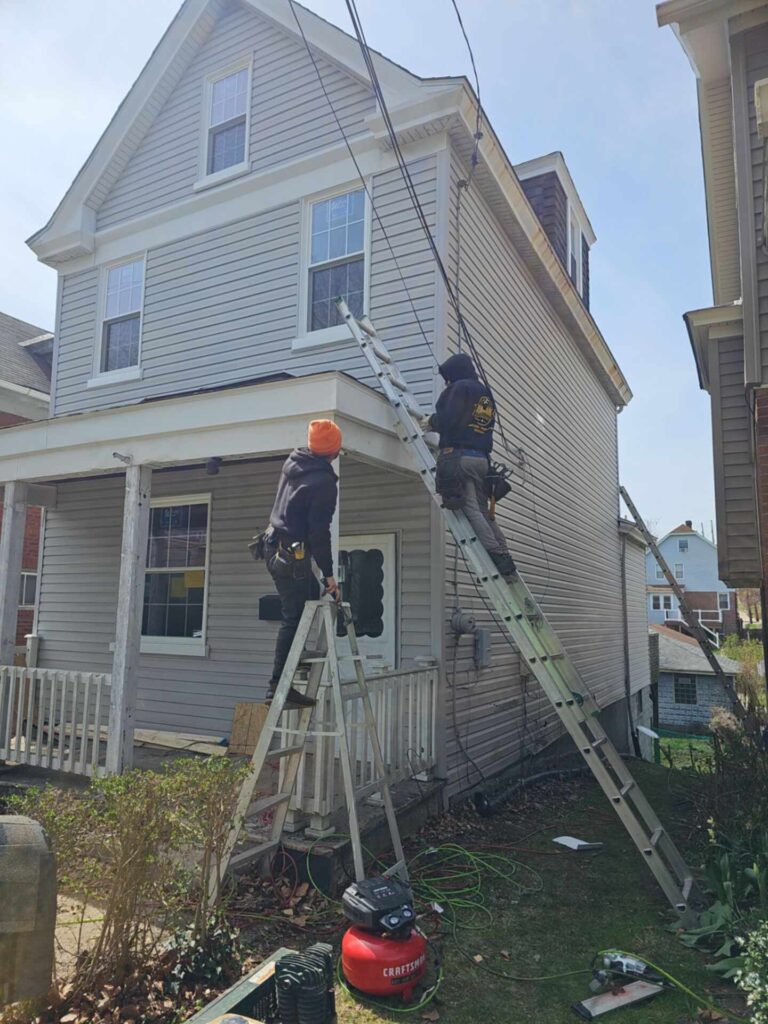
Gutters do not get nearly enough credit. They quietly redirect thousands of gallons of rainwater away from your roof, walls, and foundation every year. But when something goes wrong, you notice fast. Water pools near the foundation. Paint peels along the fascia. I have seen homeowners spend thousands on repairs that could have been avoided with routine upkeep.
This guide covers the most common gutter problems, why they happen, and what you can do about them. Whether you are dealing with overflow or gutters pulling away from the house, there is likely a straightforward fix.
Why Gutter Maintenance Problems Lead to Bigger Issues
Most people do not think about their gutters until something goes visibly wrong. That is the real problem. Neglect is the number one reason gutter maintenance problems escalate into expensive repairs. A small clog turns into standing water. Standing water corrodes metal. Corroded metal creates leaks that damage your fascia, soffit, and foundation.
The cascade effect is real. One issue feeds the next. Regular inspections, even just a visual check from the ground a few times a year, can stop that cycle before it starts.
Clogged Gutters: The Most Common Gutter Problems Homeowners Face
If there is one issue that tops the list, it is clogging. Leaves, twigs, pine needles, and shingle grit pile up inside your gutters and choke off water flow. When water cannot move through the system, it spills over the sides and pools around your foundation. Over time, this leads to basement moisture, mold, and structural damage.
Clogs also create extra weight that strains your gutter hangers. I have watched entire sections pull away from a home simply because a seasonal buildup went unaddressed. The fix is straightforward, and we will cover clogged gutter solutions in more detail below.

Leaky Gutters and Joint Failures
Leaks tend to develop at joints and seams, especially in sectional gutter systems. Temperature fluctuations cause the metal to expand and contract, loosening connections over time. Small gaps form, and water drips down exterior walls instead of flowing to the downspout.
You might not notice a leak right away. But over months, that slow drip stains siding, rots fascia boards, and can reach your home’s interior. Applying a quality gutter sealant can fix minor leaks. For older systems with multiple failing joints, upgrading to seamless gutters is often the smarter long-term investment.
Sagging Gutters and Hanger Damage
Sagging happens when gutters carry too much weight for too long. Heavy debris, standing water, and ice buildup all stress the hangers that secure your gutters to the fascia. Eventually, those hangers bend, loosen, or snap.
When gutters sag, they lose their slope. Water sits in the low points instead of draining. That standing water accelerates corrosion and attracts mosquitoes. Replacing damaged hangers and spacing them no more than two feet apart can restore proper function.
Gutter Pitch & Overflow: Top Causes and Solutions
Proper pitch is critical. Gutters should slope roughly a quarter inch for every ten feet, angling toward the nearest downspout. When the pitch is off, water stands instead of draining. This is one of those gutter issues homeowners often overlook because the gutters look fine from the ground.
Overflow is closely related. Sometimes gutters are simply too small for the volume of water your roof sheds during heavy rain. Other times, a partial clog restricts flow enough that water backs up and spills over. If overflow keeps happening, you may need to resize your gutters or add additional downspouts.
Ice Dams, Rust, and Seasonal Damage
In colder climates, ice dams are a serious concern. Snow melts on the warmer sections of your roof, runs into the gutters, and refreezes. This creates a dam that blocks drainage and can force water back under your shingles, causing interior leaks and damaged insulation.
Rust and corrosion are slow burners. Standing water and wet debris sitting in metal gutters gradually eat through the material. Aluminum resists rust better than steel, but no material is immune to neglect. Keeping gutters clean and dry between storms extends their lifespan. If you are in the Pittsburgh area, check out this helpful resource on Pittsburgh Gutter Cleaning: Seasonal & Neighborhood Tips for region-specific advice.
Common Gutter Problems at a Glance
| Problem | Primary Cause | Potential Consequence |
|---|---|---|
| Clogged Gutters | Leaves, twigs, and debris buildup | Foundation damage, basement flooding |
| Leaky Joints | Worn seals, temperature expansion | Fascia rot, exterior staining |
| Sagging Sections | Broken or spaced-out hangers | Poor drainage, pest attraction |
| Improper Pitch | Installation error or shifting | Standing water, accelerated corrosion |
| Overflow | Clogs or undersized gutters | Landscape erosion, wall damage |
| Ice Dams | Freeze-thaw cycles in cold climates | Roof leaks, shingle damage |
| Rust and Corrosion | Standing water, wet debris | Holes, system failure |
How Are Gutters Typically Cleaned?

There are several effective approaches, and the right one depends on your comfort level and home height. The most common method is climbing a sturdy extension ladder and scooping debris out by hand. You work from one end toward the downspout, then flush with a garden hose to check flow.
If you prefer staying on the ground, telescoping hose attachments and leaf blower extensions let you clean gutters without a ladder. A wet/dry vacuum with a gutter kit works well too. For multi-story homes, hiring a professional is the safest choice.
What Is the Best Gutter System for Consumer Reports?
Consumer Reports has evaluated gutter guard systems, and micro-mesh guards consistently come out on top. LeafFilter and GutterGlove have both earned high marks for blocking debris while maintaining strong water flow. These systems use fine stainless steel mesh that filters out even small particles like pine needles and shingle grit.
That said, no gutter guard eliminates maintenance entirely. Debris still collects on top of the mesh and needs periodic rinsing. The real value is in reducing the frequency of cleaning. For gutter issues homeowners deal with year after year, a quality guard system can be a worthwhile investment.
Proven Clogged Gutter Solutions That Actually Work
Solving clogs is not complicated, but it requires consistency. Clean your gutters at least twice a year, once in late spring and again in early fall. If your property has heavy tree coverage, add a third cleaning in midsummer. This alone prevents the vast majority of blockage-related problems.
Beyond regular cleaning, installing gutter guards dramatically reduces debris accumulation. Seamless gutters are another smart upgrade because they eliminate the joints where leaks and clogs most often develop. Always make sure your downspouts extend at least four to six feet from your foundation. For more detailed guidance on clogged gutter solutions, consult a local gutter professional who can evaluate your specific setup.
When to Call a Professional
Some gutter problems are easy DIY fixes. Tightening a loose hanger or applying sealant to a small leak takes minimal skill. But if your gutters are visibly pulling away from the house, water is entering your basement, or ice dams keep returning, it is time to bring in a pro.
A qualified contractor can assess the full system, identify hidden damage, and recommend repairs that solve the root cause. According to This Old House, professional cleaning also gives you a chance to catch corrosion and slope issues early. Investing in help now almost always costs less than dealing with the fallout of gutter maintenance problems later.
Your gutters are one of your home’s first lines of defense against water damage. A little prevention goes a long way, and addressing problems early saves you time, money, and headaches down the road.