If you own an older home in Pittsburgh, your gutters are probably not something you think about every day. They sit up there along the roofline, quietly doing their job. Until they don’t. I’ve seen homeowners pour money into patching rusted-out systems year after year when a full replacement would have saved them thousands. Gutters on older Pittsburgh homes take a beating from our winters, and they don’t last forever.
Knowing when it’s time for gutter replacement Pittsburgh PA can save you from expensive structural repairs. This guide covers the warning signs, Pittsburgh-specific factors, and how to make a smart decision about your drainage system.
How Do You Tell If Your Gutters Need Replacing?
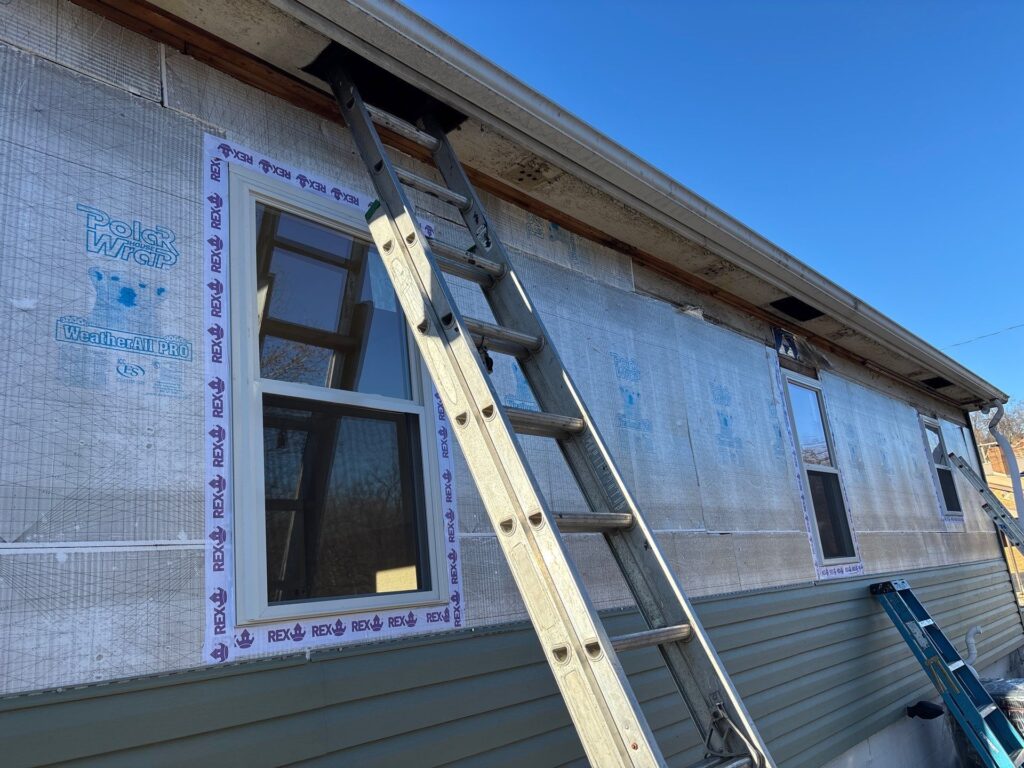
Start with a visual inspection from the ground. Look for sections pulling away from the fascia, visible rust, or water stains on your siding beneath the gutter line. These are not cosmetic problems. They signal that your gutter system is no longer protecting your home.
Another clear red flag is water pooling near your foundation after a rainstorm. Healthy gutters channel water away from your home’s base. If puddles form along the perimeter, something has failed. Peeling paint on exterior walls or mold along the siding also suggest chronic moisture exposure.
Should I Replace 20 Year Old Gutters?
In most cases, yes. Aluminum gutters typically last 20 to 30 years, while vinyl systems may start failing after just 10 to 15 years. If your gutters have hit the two-decade mark and show even minor signs of wear, replacement usually makes more financial sense than ongoing repairs. Small issues at 20 years tend to snowball fast.
For older Pittsburgh homes, I’d argue the timeline can be even shorter. Our freeze-thaw cycles, heavy snowfall, and spring downpours put more stress on gutters than milder climates. If you’re weighing repair versus replacement, consider how often you’ve called someone out in the past few seasons. At some point, when to replace gutters Pittsburgh becomes less of a question and more of a necessity.
Rust, Corrosion, and Structural Failure: The Big Warning Signs
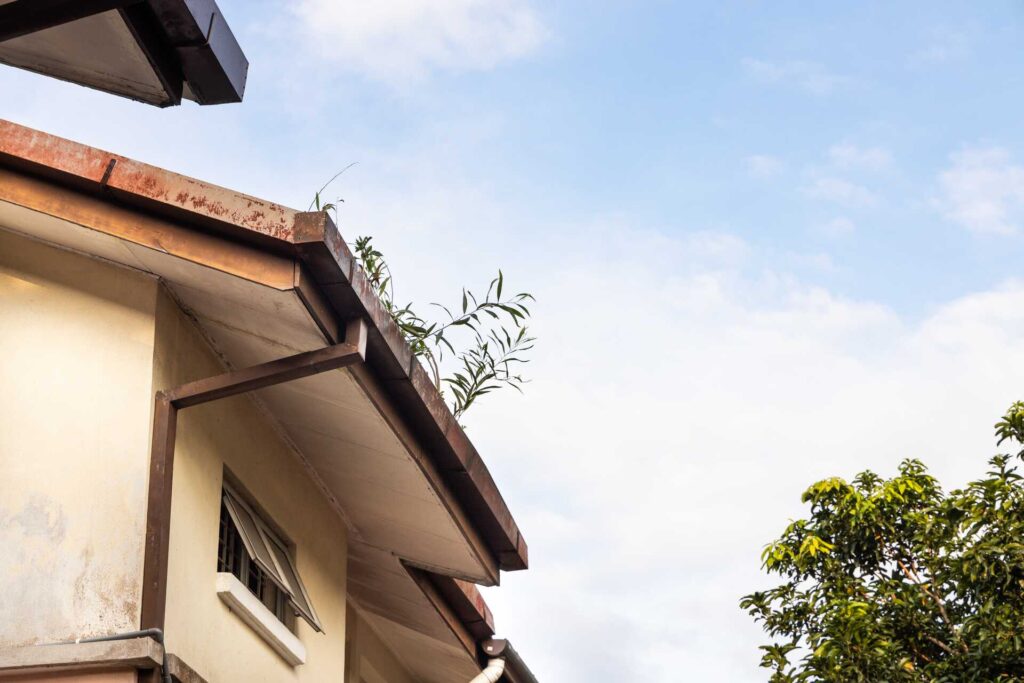
Rust is one of the most definitive signs that a gutter system is done. Once you see rust spots, the protective coating has broken down, and the metal is actively deteriorating. This is especially common on galvanized steel gutters found on many older Pittsburgh homes. Rust holes cannot be reliably patched for the long term.
Sagging sections tell a similar story. When gutters pull away from the roofline, it usually means the fasteners have failed or the fascia board behind them has started to rot. Reattaching them might buy you a season, but if the underlying wood is compromised, you’re looking at both gutter and fascia replacement. Catching this early matters.
Seam Leaks That Keep Coming Back
Sectional gutters have joints every 10 feet or so. Over time, those seams separate. You can reseal them once or twice, but when leaks keep returning at multiple points along the system, it’s a sign of widespread deterioration. Upgrading to seamless aluminum gutters eliminates most of those leak points entirely.
Why Pittsburgh Winters Are Tough on Older Gutters
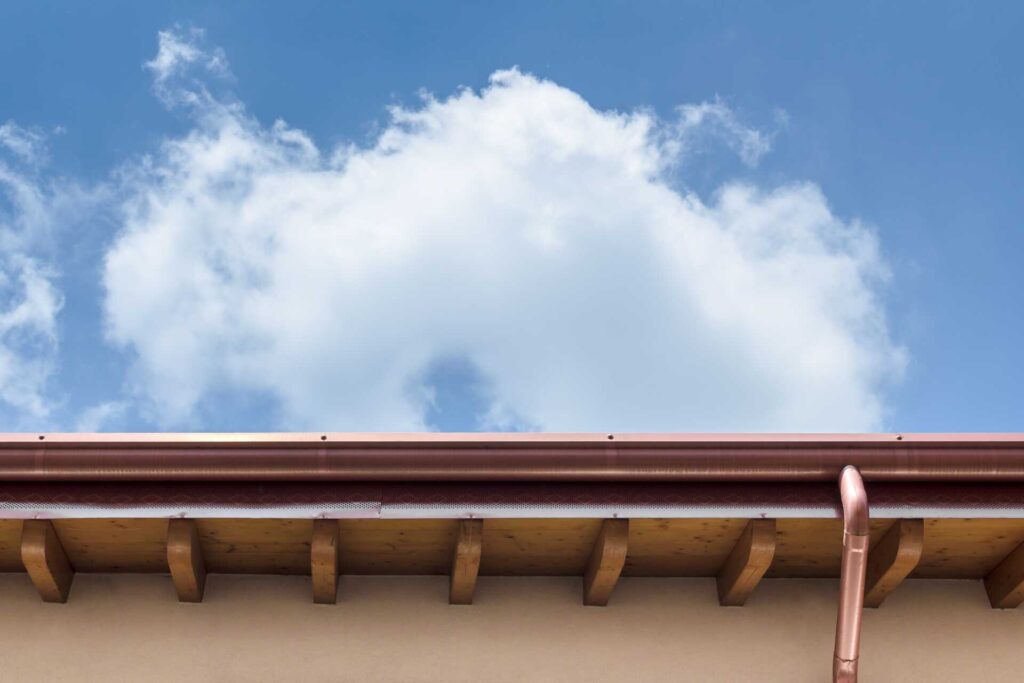
Ice dams are a real problem in our area. When heat escapes through the roof, it melts snow that refreezes at the gutter line. That ice pushes under shingles and puts enormous pressure on your gutters. Over several winters, this cycle warps, cracks, and pulls older systems right off the house.
Heavy snow loads compound the issue. A full gutter packed with ice can weigh hundreds of pounds across a single run. Older brackets and hangers were not designed for that kind of stress. If you notice gutters bowing or separating after winter, it’s time to evaluate old home gutter replacement Pittsburgh.
What Length Gutters Does a 2000 Sq Ft House Usually Have?
A typical 2,000-square-foot home requires roughly 160 to 220 linear feet of gutters, depending on the roofline and design. Homes with simple, rectangular footprints land on the lower end, while houses with dormers, bump-outs, or multiple roof sections need more material. A quick rule of thumb is to divide your home’s square footage by 10 for a ballpark estimate.
For many older Pittsburgh homes, the rooflines are anything but simple. Victorian-era homes, Cape Cods, and colonials often have complex gutter runs. This is why getting an on-site estimate from a local professional matters. It ensures proper sizing and pitch for effective drainage.
Gutter Material Comparison for Pittsburgh Homeowners
| Material | Average Lifespan | Best For | Considerations |
|---|---|---|---|
| Aluminum (Seamless) | 20-30 years | Most homes | Rust-resistant, affordable, lightweight |
| Galvanized Steel | 20-25 years | Heavy rain areas | Strong, but prone to rust over time |
| Copper | 50+ years | Historic homes | Premium cost, excellent durability |
| Vinyl | 10-15 years | Budget projects | Can crack in cold climates like Pittsburgh |
If you’re unsure which material fits your situation, take a look at this guide on the Best Type of Gutters to Install for Your Home. It covers the pros and cons of each option in detail.
When to Inspect Your Gutters in Pittsburgh
Timing your inspections around the seasons makes a big difference. I recommend checking your gutters in early fall before leaves clog the system and temperatures drop. A second inspection in early spring lets you catch any damage from winter ice and snow before the heavy spring rains arrive.
During these inspections, look closely at the seams, downspouts, and mounting hardware. Run water through the system with a garden hose and watch for leaks, slow drainage, or water spilling over the edges. These hands-on checks often reveal problems invisible from the ground.
Repair vs. Full Replacement: Making the Right Call
Minor issues like a loose bracket or a small sealant failure can be repaired affordably. But when multiple problems show up at once, the math shifts. If you’re spending a few hundred dollars every year on repairs, that money could go toward a new system that lasts decades.
Replacement also becomes the clear choice when the fascia board behind the gutters is rotting. New gutters mounted on damaged wood will fail again quickly. A professional gutter replacement Pittsburgh PA project should include a full inspection of the fascia and soffit so everything gets addressed at once.
Protecting Your Foundation and Home Value
Gutters exist for one core reason: to move water away from your foundation. When they fail, water saturates the soil around your home’s base. That moisture can seep into your basement, cause cracks, and lead to repairs that cost far more than a new gutter system. According to Angi’s home improvement experts, a full gutter replacement averages around $1,900 for a typical home, a fraction of what foundation work costs.
If you’re thinking about selling down the road, functional gutters matter for curb appeal and inspection results. Buyers notice water stains, sagging gutters, and eroded landscaping. A well-maintained system signals a home that’s been cared for.
Next Steps for Pittsburgh Homeowners
If your gutters are over 20 years old, showing visible rust, or struggling to handle a moderate rainstorm, don’t wait for a basement flood to take action. Schedule an inspection with a local contractor who understands Pittsburgh weather. The sooner you address a failing system, the less collateral damage you’ll deal with.
For homeowners considering when to replace gutters Pittsburgh, investing in a modern seamless system is one of the smartest moves you can make. It protects your foundation, your siding, and your peace of mind for decades to come.