Your roof does a lot more than keep the rain out. It plays a direct role in whether you can get homeowners insurance, how much you pay for it, and what kind of coverage you actually receive. Most homeowners don’t think about this until they get a surprise during policy renewal. So let’s break down what you need to know about the age of your roof and insurance before that moment arrives.
Insurance companies pay close attention to roof age. If your roof is getting up there in years, your policy options may shrink and the financial protection you counted on could change. Understanding the roof age limit set by your provider is one of the smartest moves you can make as a homeowner.
If a storm has already damaged an older roof, our crew handles storm damage roof repair in Pittsburgh and meets your adjuster on site. Before that visit, read what not to say to a roof insurance adjuster.
Short answer: There is no single cutoff. Many insurers start looking hard at asphalt roofs around 15 years, often switch to actual cash value around 20, and some may refuse to renew past 25.
How Does Insurance Work With a Roof?
Homeowners insurance typically covers roof damage under dwelling coverage, which protects the physical structure of your home. If a covered event like a storm, fire, or falling tree damages your roof, your insurer should help pay for repairs or replacement, minus your deductible.
Insurers evaluate the age, material, and condition of your roof before deciding how much they’ll pay. A newer roof generally qualifies for replacement cost coverage, meaning the insurer pays to replace it at today’s prices. An older roof may only be covered at actual cash value, which factors in depreciation. That difference can mean a much smaller check.
How Old Can a Roof Be Before Insurance Won’t Cover It?
There isn’t one universal cutoff, but the industry tends to cluster around a few key age thresholds. Most insurers begin scrutinizing roofs closely once they reach 15 years old. At 20 years, many carriers will switch your coverage from replacement cost to actual cash value. And once you pass 25 years, some companies may decline to renew your policy altogether.
Asphalt shingles are the most common roof we replace around Pittsburgh, and they generally have a lifespan of 20 to 30 years. That means the insurance roof age requirement often aligns closely with the expected life of your roofing material. Metal, slate, and tile roofs last significantly longer, sometimes 50 years or more, so insurers tend to treat them differently.
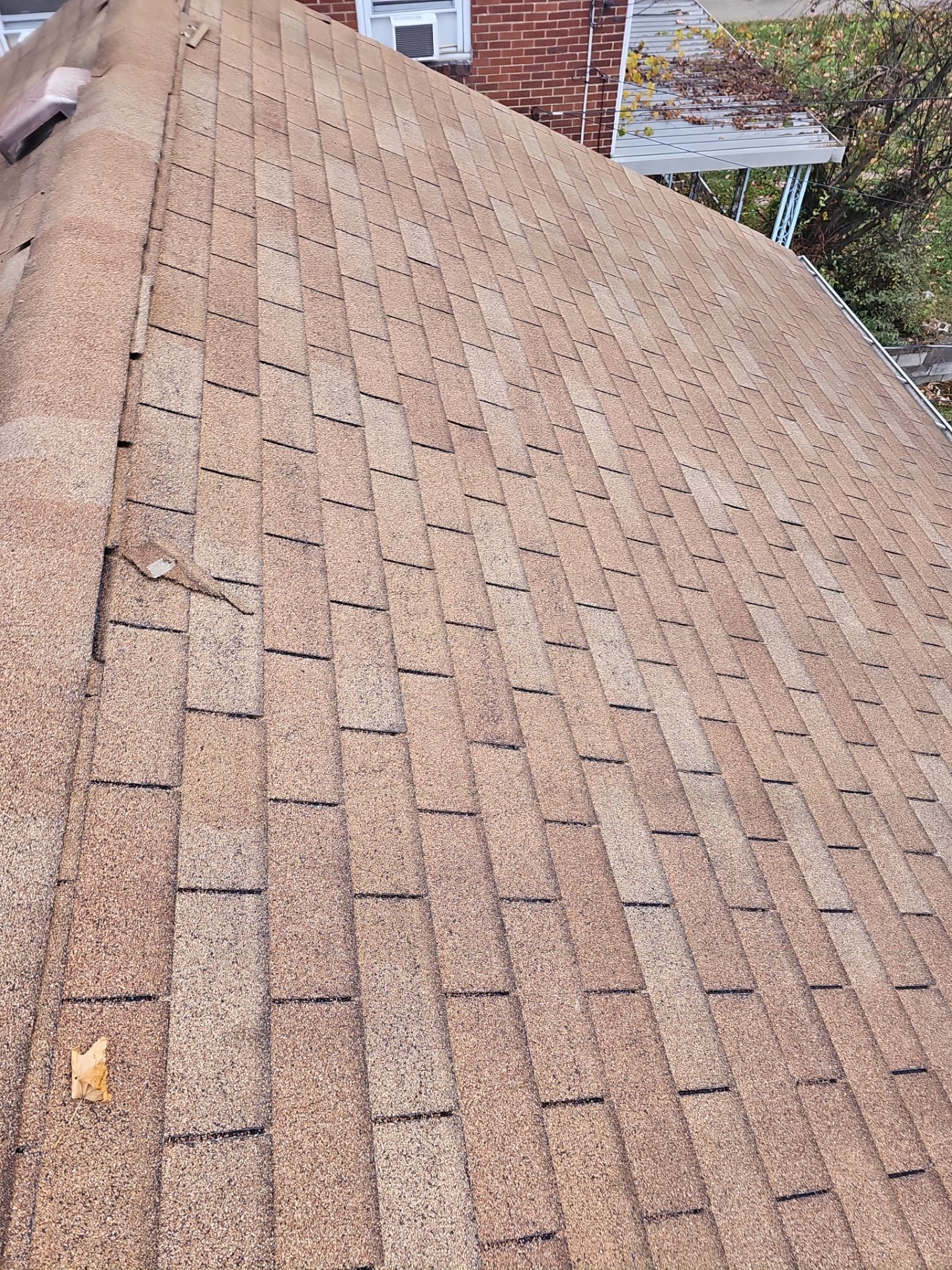
Worn shingles on an aging Pittsburgh roof, photographed before our crew replaced it, Alan Construction.
Age Thresholds by Roof Type
Not all roofs are treated the same. The material on top of your home has a big influence on how your insurer views its risk profile.
| Roof Material | Typical Lifespan | Insurance Scrutiny Begins | Coverage Often Limited |
|---|---|---|---|
| Asphalt Shingles | 20 to 30 years | 15 years | 20+ years |
| Wood Shingles or Shake | 25 to 30 years | 15 years | 20+ years |
| Metal | 40 to 70 years | 25 to 30 years | 40+ years |
| Slate or Tile | 50 to 100 years | 30 to 40 years | 50+ years |
Keep in mind these are general guidelines. Your specific insurer and policy both play a role in where cutoffs land, so read your declarations page or ask your agent. For a closer look at lifespan by material, see how long a new roof lasts.
How Insurers Determine the Age of Your Roof
Your insurer will usually ask for the year the roof was installed. If you don’t know it, these records can pin it down:
- The contract, invoice or warranty paperwork from the roofer who installed it.
- Building permit records from your municipality.
- The home inspection report from when you bought the house, which usually notes roof age or condition.
- A written inspection from a roofing contractor, who can estimate age from the shingles, flashing and layers.
Give the insurer the most accurate year you can document. Guessing low to get better coverage can backfire badly if a claim is investigated later.
What Kind of Roof Damage Is Covered by Insurance?
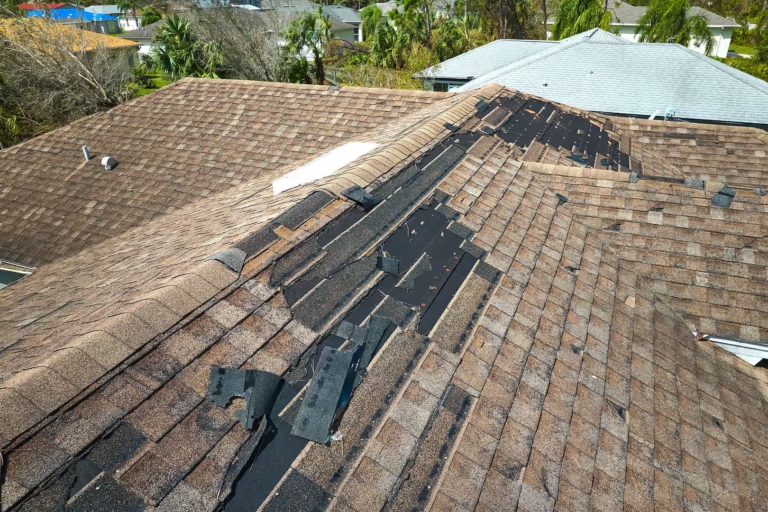
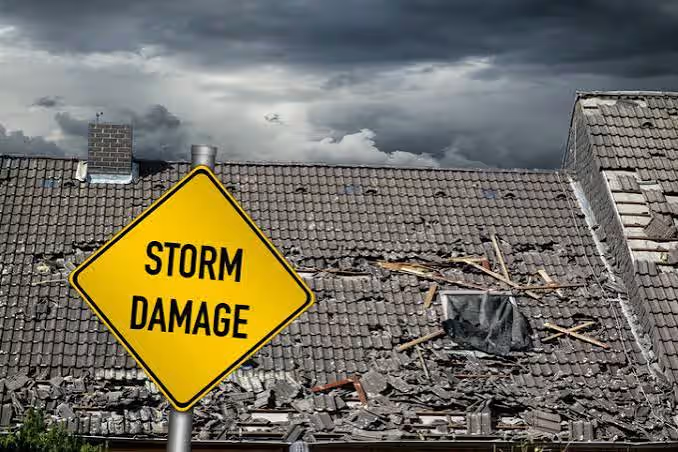
Insurance policies are designed to cover sudden, accidental damage. That includes hailstorms, wind damage, fire, and fallen trees. If a major storm tears off shingles, your insurer will typically step in, even on an older roof. The cause of the damage matters more than almost anything else.
What insurance does not cover is gradual deterioration. Curling shingles, worn granules, or leaks appearing because the roof is simply old fall under normal wear and tear. Insurers consider that the homeowner’s responsibility. This distinction catches many people off guard when they file a claim expecting full coverage on an aging roof.
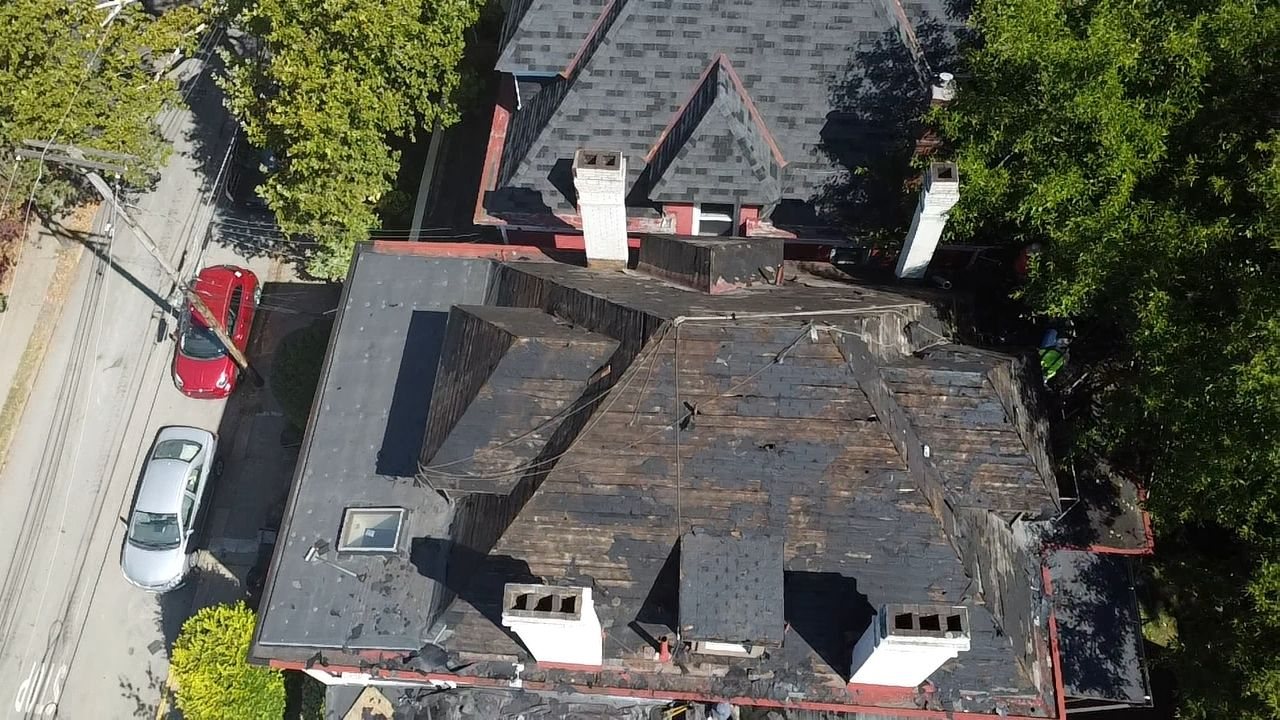
An older Pittsburgh roof with skylights and chimneys, photographed before replacement, Alan Construction.
Leaks are where this gets confusing most often. We break it down in does homeowners insurance cover roof leaks in Pittsburgh.
What Are Common Reasons for Roof Claim Denials?
Claim denials happen more often than most homeowners expect. The most frequent reason is that the damage stems from wear and tear rather than a covered event. If an adjuster determines the roof has simply aged out, the claim will likely be denied.
Other common reasons include failure to maintain the roof, prior unreported damage, and filing a claim after the insurer’s deadline. In some cases, an old roof coverage denial can be triggered by cosmetic damage exclusions that have become increasingly common in policies over the past few years. Many homeowners are surprised to learn their policy specifically excludes cosmetic hail damage, even though the dents are clearly visible.
What Voids a Roof Warranty?
This question overlaps with insurance more than people realize. A voided warranty can weaken your position when dealing with a claim. Improper installation is one of the most common warranty killers. If the contractor didn’t follow the manufacturer’s specifications, the warranty may be worthless from day one.
Other factors that void warranties include using mismatched materials, failing to provide adequate attic ventilation, and performing unauthorized repairs. Walking on certain roof types carelessly or pressure washing shingles can also void coverage.
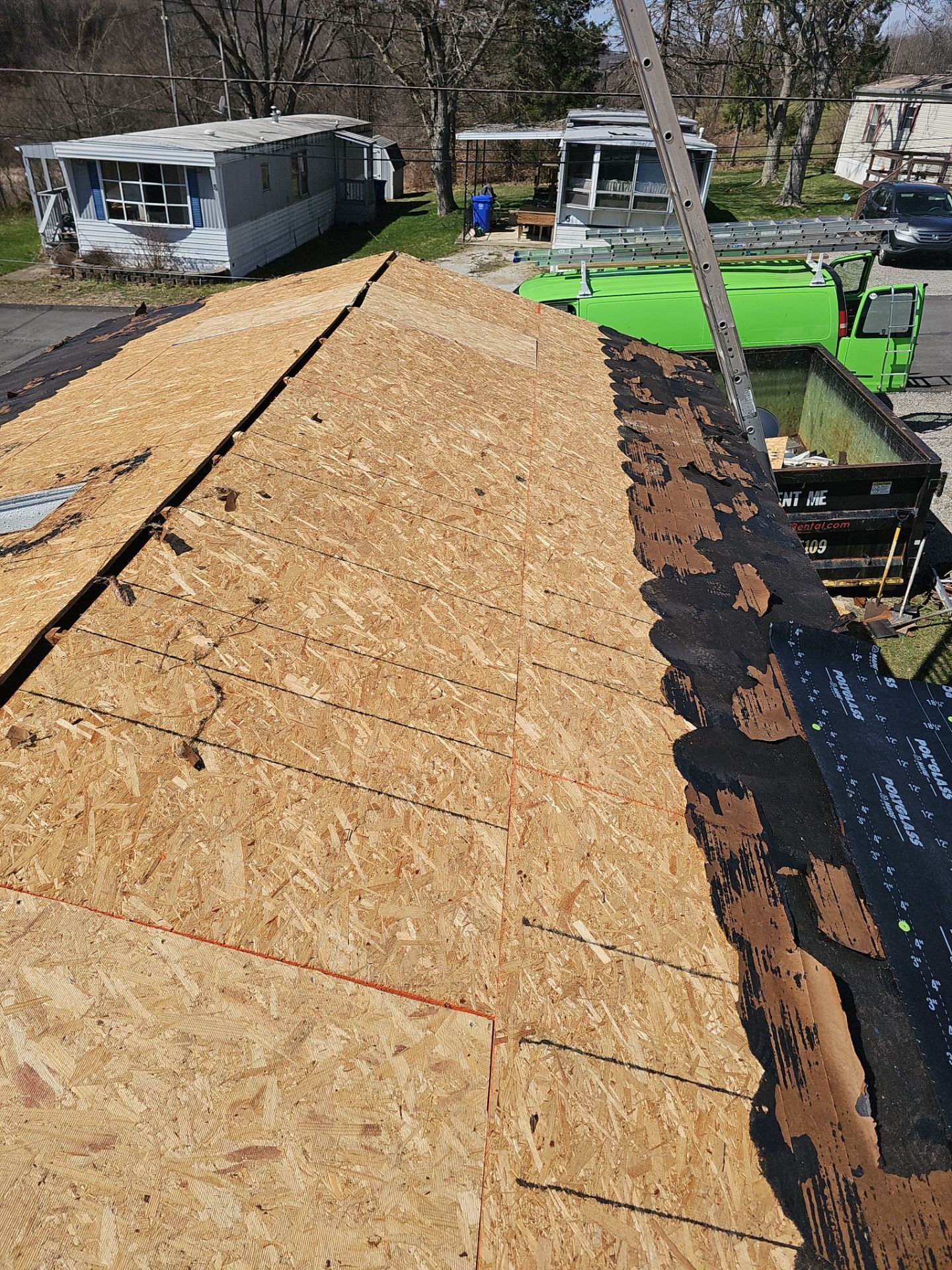
New sheathing going down next to old shingles during a roof replacement in Oakdale, Alan Construction.
If you’re weighing whether to repair or fully replace your roof, read Roof Replacement vs. Repair: When Should You Do Each in Pittsburgh? for a deeper look at that decision.
Replacement Cost vs. Actual Cash Value
This is one of the most important distinctions in roof insurance. Replacement cost value, or RCV, means your insurer pays what it would cost to install a brand new roof at current prices. Actual cash value, or ACV, subtracts depreciation. On an asphalt shingle roof that is 20 years old, the depreciation can be steep.
Here is how that plays out. Under RCV, your insurer covers the cost of a new roof minus your deductible. Under ACV, depreciation comes off first, so on an older roof the check may cover only a small part of a new one. That gap catches many homeowners off guard. Understanding whether your policy provides RCV or ACV coverage is essential before you ever need to file a claim.
Tips for Protecting Coverage on an Older Roof
You’re not powerless here. Start by scheduling annual roof inspections with a licensed contractor and keeping detailed records of every inspection, repair, and maintenance task. Documentation is your best friend when dealing with insurance companies.
Some inspectors offer certifications confirming your roof is still serviceable, even past the typical age threshold. Contact your insurance agent directly and ask about their specific insurance roof age requirement so there are no surprises at renewal. If your current insurer is tightening restrictions, shop around. According to the insurance experts at Progressive, roof material, age, and shape are the key factors that influence your premium and insurability.
When Replacement Makes More Sense Than Repair
At some point, patching an old roof costs more than replacing it. If your roof is approaching 20 years and your insurer is already limiting coverage, investing in a new roof can restore full replacement cost eligibility and may lower your premiums.
A new roof adds value to your property and removes the stress of wondering whether your next claim will be denied. If you’re unsure where your roof stands, a professional inspection can give you the clarity you need. Don’t wait until your insurer forces the issue. Taking action now puts you in control.
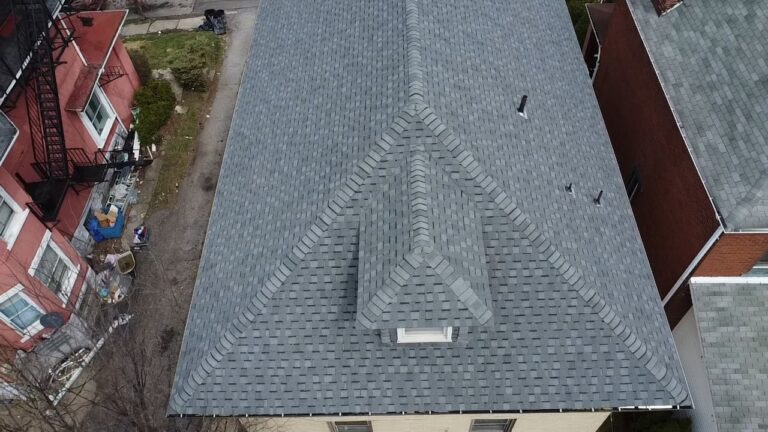
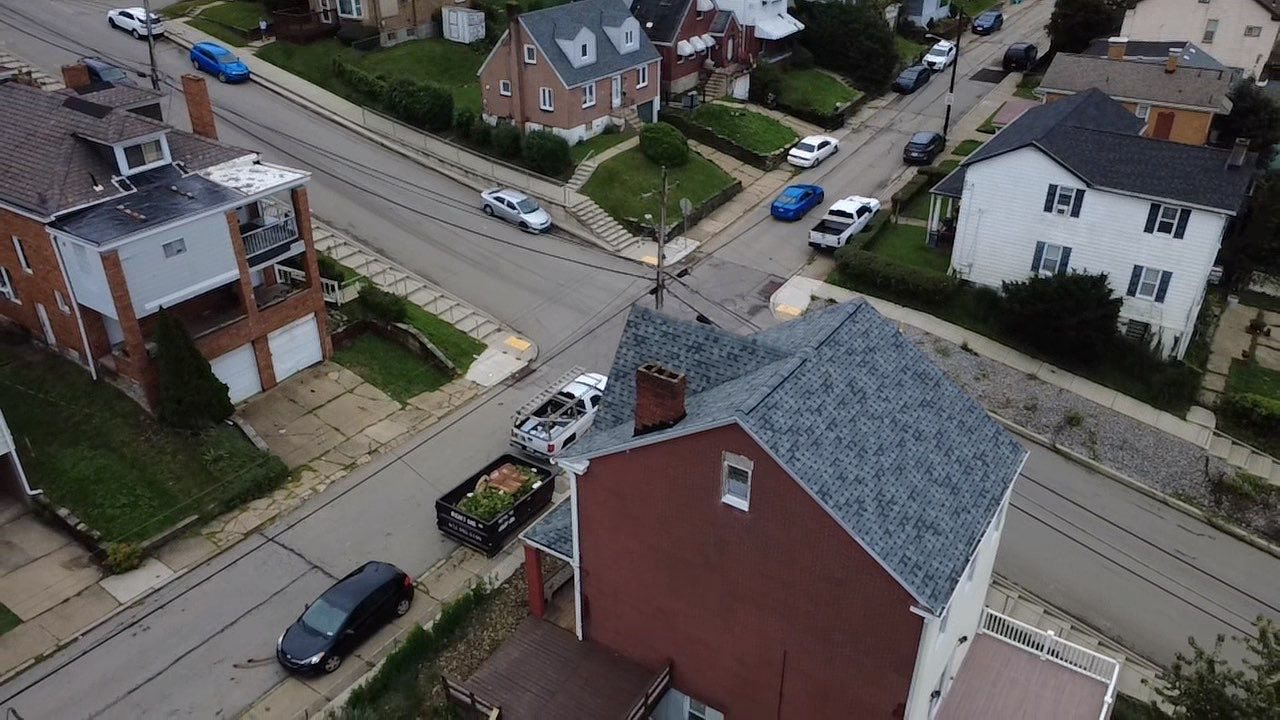
A new roof finished on a Pittsburgh home, with the dumpster still at the curb, Alan Construction.
Not sure how your roof’s age will look to your insurer? Request a free, no obligation estimate and we will inspect it and tell you where it stands.