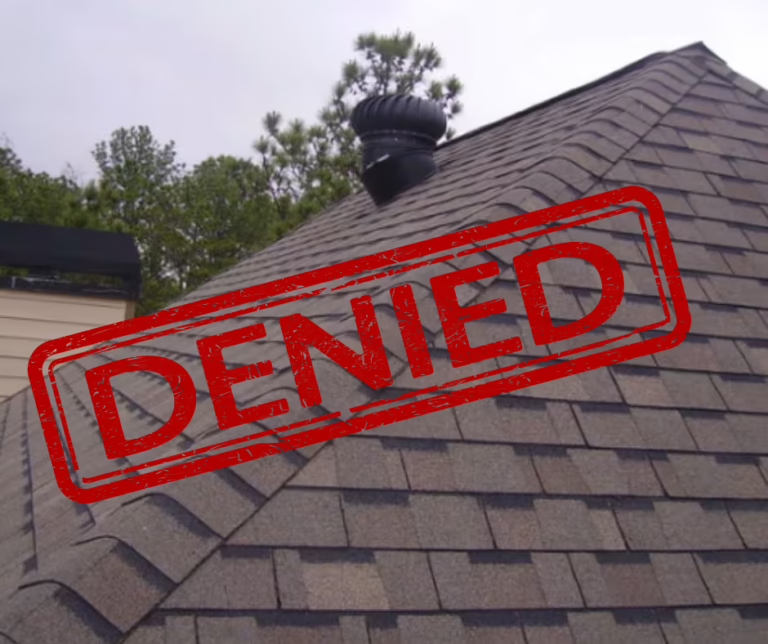
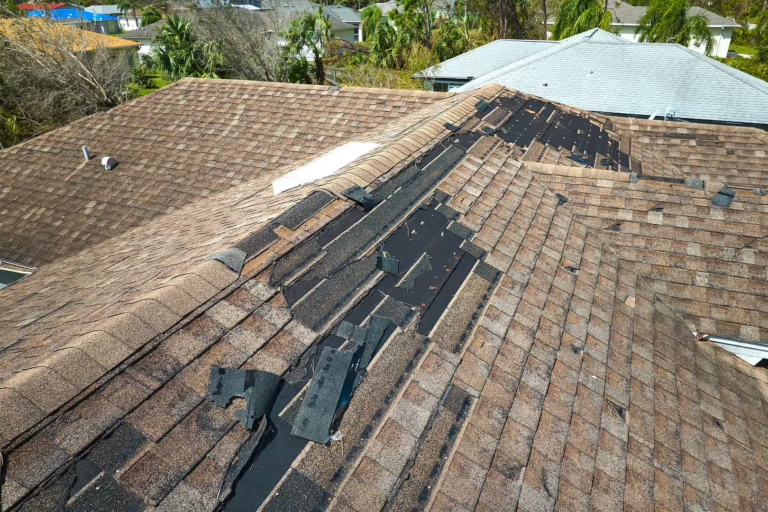
Repair your roof when it’s younger than about 15 years, the damage is limited to one area and the decking underneath is dry and solid. Replace it when it’s past 20 years, leaks keep coming back in different spots, or the shingles are curling, losing granules or sagging across the whole surface.
Pittsburgh weather has a way of testing every roof in the city. Between freeze and thaw cycles, sideways rain off the rivers and the occasional summer hailstorm, shingles around here work hard. So when something goes wrong overhead, the question becomes whether you patch it or pull the whole thing off. A focused roof repair in Pittsburgh is often all a home needs, and this guide on roof replacement vs repair explains how to tell, in straight talk, with no scare tactics.
Short answer: Young roof, one problem spot, solid decking: repair. Old roof, repeat leaks, widespread wear or sagging: replace.
Why Pittsburgh Roofs Age Differently
Our climate is rough on roofing materials. Shingles expand in July humidity and contract during January cold snaps, and that constant movement breaks down the asphalt over time. Water sneaks into a tiny gap during a thaw, freezes overnight and widens the gap. Add ice dams, which form when attic heat melts snow that refreezes at the eaves, and you get premature wear.
Storms add their own damage. Strong gusts catch shingle edges and peel them back, exposing the underlayment to moisture. Hail cracks shingles, dents flashing and strips away the protective granules. None of that may look urgent at first, but it shortens a roof’s life, especially once ice works into the cracks.
A typical asphalt shingle roof is built to last roughly 20 to 30 years, and Pittsburgh conditions push many toward the shorter end. If yours is in that range, you’re probably already seeing signs: granules in the gutters, curled edges, a shingle in the yard after a storm.
The Three Things That Decide Repair or Replacement
Three factors carry most of the weight:
- Age of the roof. The single biggest factor. A young roof has plenty of life left to protect.
- Size of the damage. One spot or one slope is a repair. Problems spread across the roof point to replacement.
- Condition of the decking. If the wood under the shingles is dry and solid, repair is on the table. Soft, rotted or sagging decking changes the math.
When the roof is young, the trouble is contained and the decking is sound, a focused repair almost always wins. When the roof has pushed past twenty years and the same leaks keep returning, replacement becomes the smarter money. Everything else is detail.
When Repair Makes Sense
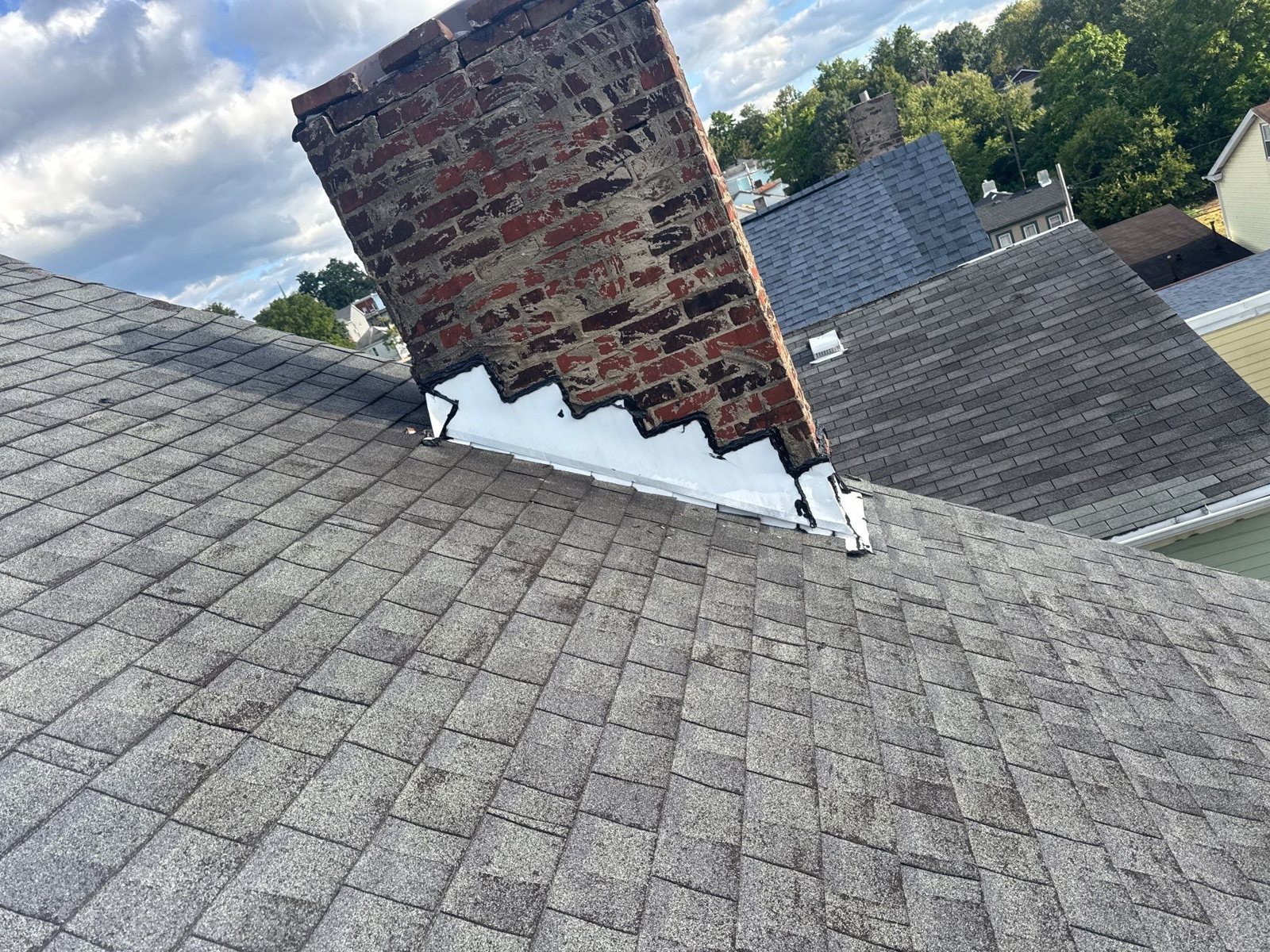
Not every problem calls for a full tear off. If your roof is under about 15 years old and the damage is isolated, repair is usually the smarter move. Classic repair jobs include:
- A few missing shingles after a windstorm
- Bent or lifted flashing around a chimney, vent or skylight
- A small leak you can trace to one point that hasn’t soaked the decking
- Minor granule loss in one section while the rest of the roof looks healthy
New step flashing along a brick chimney on a gray shingle roof in Pittsburgh, Alan Construction.
A targeted repair costs a fraction of a replacement and can add years to an otherwise solid roof. Flashing is one of the most common culprits; our post on what causes flashing leaks around chimneys explains why. The trick is catching damage early. A small leak ignored for one winter can become rotted decking by spring, and that changes everything.
When Replacement Makes More Sense
Sometimes patching is just a bandage on a deeper wound. These signs tip the decision firmly toward replacement:
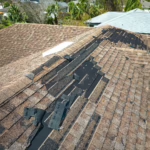
- Curling, buckling or cracked shingles across the whole surface
- Gutters full of granules after every rain
- Leaks in more than one room, or the same leak coming back after repairs
- Any dip or wave in the roofline, which points to damaged decking or rafters
Worn gray shingles with a loose torn piece on a Pittsburgh roof slope, Alan Construction.
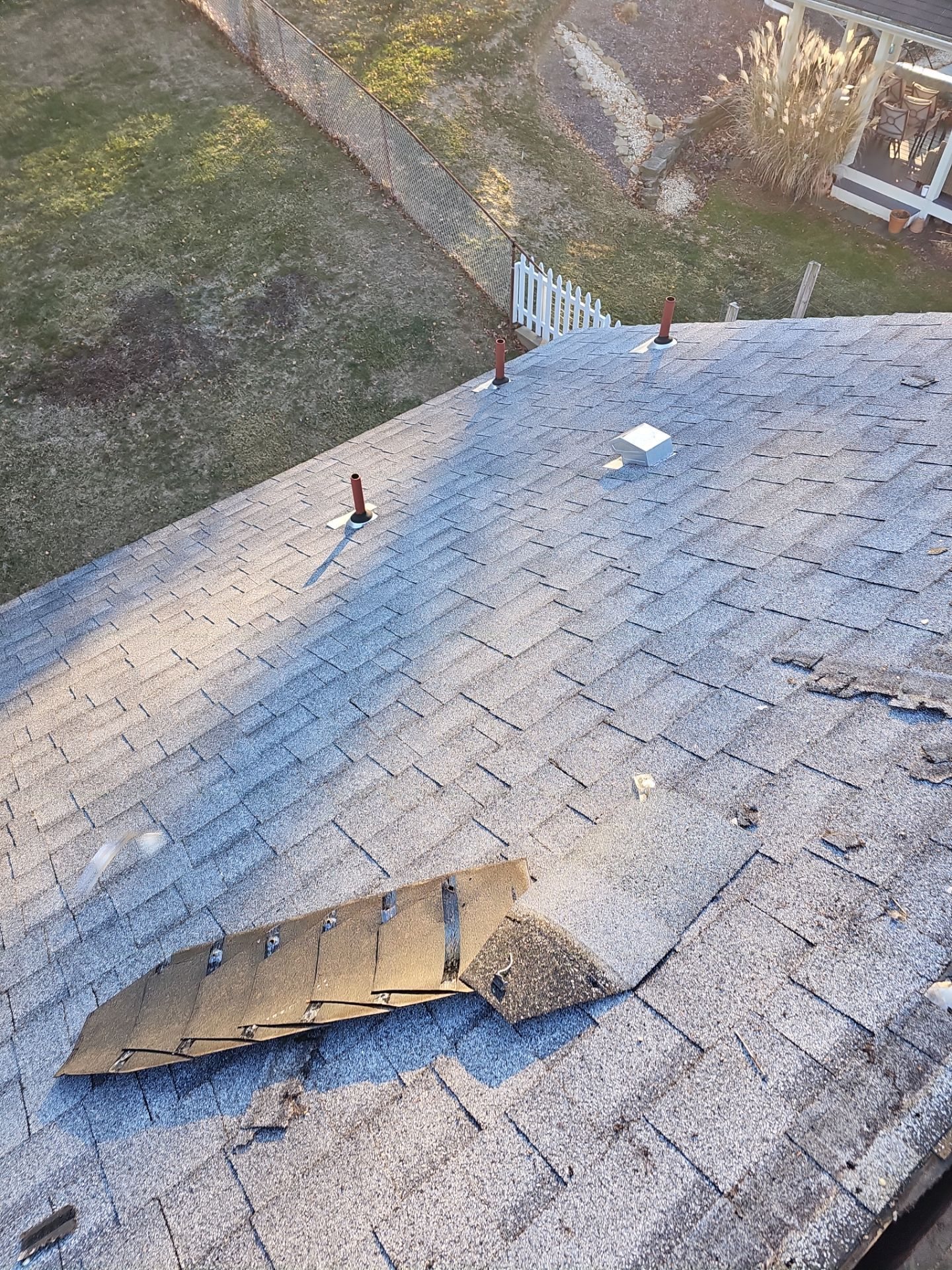
Sagging is the most serious. It’s structural, and it means water has been working on the wood for a long time. If you see a dip from the street, call a Pittsburgh roofing contractor right away.
Layers also force the issue. Building codes generally allow no more than two layers of shingles, so if your house already has two and damage shows up, a full tear off is the only real option. A replacement also gives you new underlayment, new flashing and a fresh manufacturer warranty. We install Atlas shingles, including Pinnacle Pristine.
What Is the 25% Rule in Roofing?
The 25% rule is a rule of thumb, not a Pennsylvania law. The idea: if the cost of repairs approaches about a quarter of what a full replacement would cost, replacing usually makes more sense. Some contractors stretch that threshold higher on a younger roof.
The logic is that pouring money into an older roof rarely pays off. Once you’re paying for the third or fourth patch on an aging roof, you’re renting time on a system that’s going to fail anyway. We lean toward the stricter end of the rule when a roof is over 15 years old.
The same thinking applies to damaged area. If a large share of the roof is affected, patching it piece by piece leaves you with a mismatched roof and more seams to leak.
Roof Replacement vs Repair by Roof Age
Age is the biggest single factor. Here’s a quick reference:
| Roof age | General recommendation |
|---|---|
| Under 10 years | Repair almost always makes sense |
| 10 to 15 years | Repair, unless damage is widespread |
| 15 to 20 years | Evaluate carefully, lean toward replacement |
| Over 20 years | Replacement is usually the right call |
Age isn’t the only variable. A 12 year old roof that took a direct hit from a hailstorm might need replacement, while a well maintained 18 year old roof could still have life left. As a starting point, though, this framework holds up for most Pittsburgh homes. Material matters too. Slate can often be repaired one piece at a time for decades, metal roofs need fewer repairs overall, and flat rubber roofs on porches and back rooms are often replaced in sections.
Repair or Replace After a Storm
After a bad storm, start on the ground. Look for missing shingles, damaged flashing, dented gutters and debris on the roof, and use binoculars rather than a ladder. Photograph exterior damage and interior water stains, then get a professional inspection quickly, because water intrusion leads to mold and rot.
Insurance can change the decision. If your policy covers the storm damage, the scope the adjuster approves often decides repair versus replacement. Roof age matters here as well; our guide on how old a roof can be before insurance won’t cover it explains why. When you talk to the adjuster, stick to facts and don’t guess about old damage.
Why Timing Matters in Western PA
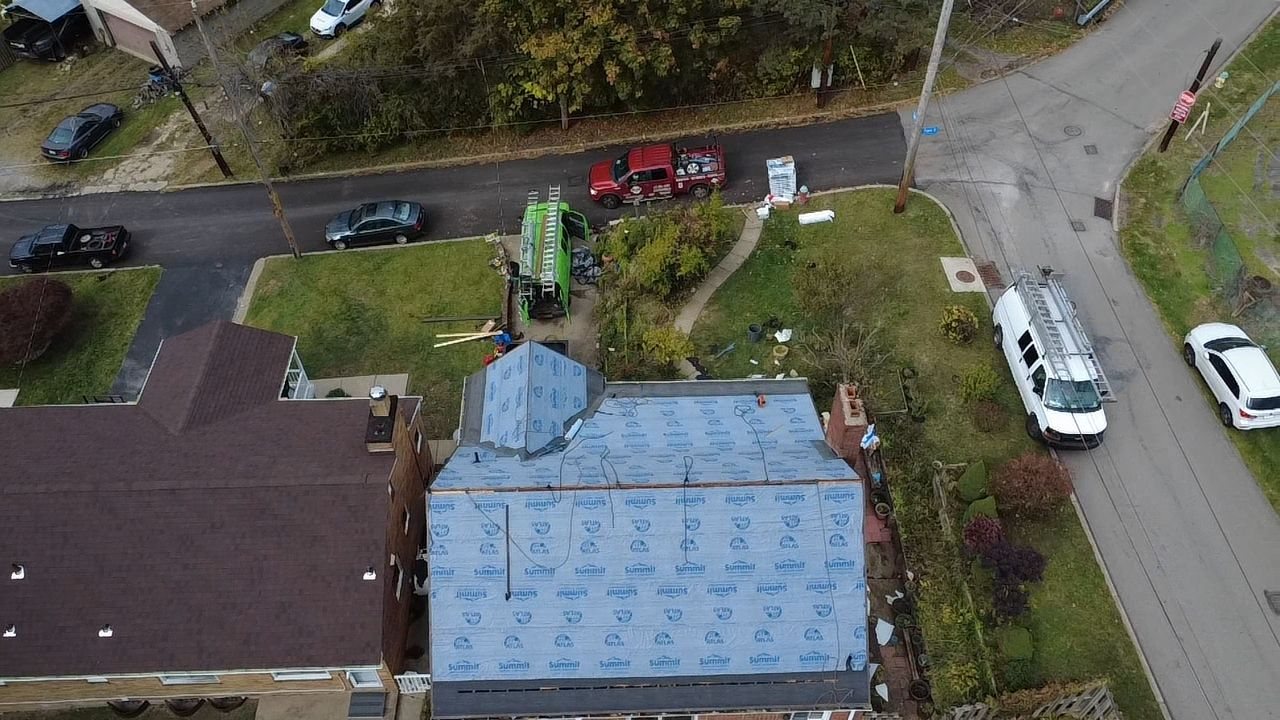
Fall is the sweet spot for a planned roof replacement in Pittsburgh. September and October usually bring steady temperatures, lower humidity and fewer rain delays, and shingles need some warm sun to seal properly before winter.
Spring works too, though rain can throw off scheduling. Winter installs are possible but harder: cold makes shingles brittle and sealants slower to cure. For more, see when is the best time to replace a roof in Pittsburgh.
Drone view of a Pittsburgh roof covered in blue synthetic underlayment during replacement, Alan Construction.
The Real Cost of Waiting
Procrastination is expensive in roofing. A roof that needed replacement two years ago almost always costs more to address now. Water finds its way into the decking, the attic gets soaked, drywall starts staining, and suddenly you’re paying for interior repairs on top of a roof.
A replacement you could have planned calmly in October can become an emergency after a January thaw, and emergency work is never the cheaper option. If the timing is a budget question, our financing options can help you plan.
Choosing the Right Contractor
Picking the right crew matters as much as the decision itself. Be cautious of anyone who knocks on your door right after a storm, pushes a today only price, asks for a large payment upfront, or wants to handle your insurance check. A real contractor gives you a written inspection and answers questions without rushing.
Andrew S. described his estimate in a Google review: “Alan was thorough in his assessment of my roof, while providing a transparent explanation along with a fair estimate for replacement.”
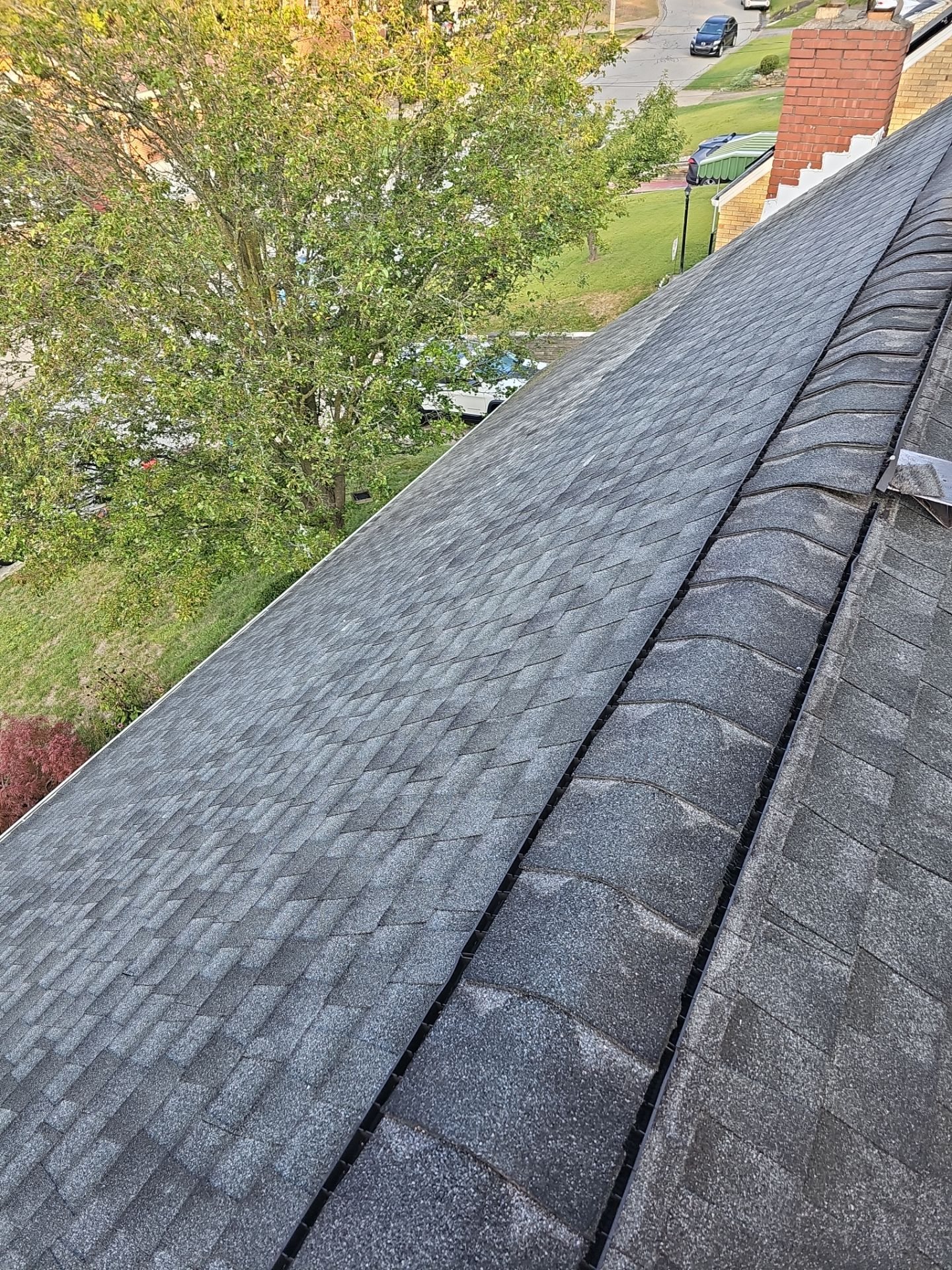
Shingled ridge cap running along a new roof in Pittsburgh, Alan Construction.
The National Roofing Contractors Association has homeowner resources at nrca.net worth skimming before you sign anything. For more warning signs, read red flags to watch for when getting a new roof. We’ve served Pittsburgh since 2003, we’re registered as PA#126638, and whether you need a small repair or a full replacement, we’ll give you an honest assessment instead of pushing the bigger ticket.
Repair or replace comes down to age, damage scope and the condition of the decking. Younger roofs with one problem spot deserve a repair. Older roofs with widespread problems deserve replacement. And almost every roof deserves a regular inspection, especially after a Pittsburgh winter has done its worst.
Not sure whether to repair or replace? Get a free, no obligation estimate and we’ll show you photos of exactly what we find.