Filing a roof damage claim after a storm is stressful enough without accidentally sabotaging yourself. I have seen homeowners lose thousands simply because they said the wrong thing at the wrong time. One offhand comment can shift the entire outcome of your claim, and not in your favor.
This guide covers the phrases that hurt your case, what adjusters evaluate, and how to avoid common insurance adjuster mistakes that lead to underpayment or denial.
If a storm has already hit your home, our crew handles storm damage roof repair in Pittsburgh and will meet your adjuster on site. For the filing steps themselves, see our guide on how to file a roof damage insurance claim successfully.
Why What Not to Say to a Roof Insurance Adjuster Can Make or Break Your Claim
Insurance adjusters are trained professionals who represent the insurer’s interests. They are not your adversary, but every word you say becomes part of the official claim record. Casual comments and guesses can all be used to reduce your settlement.
If you mention that your roof “was getting old anyway,” the adjuster now has grounds to attribute damage to wear and tear instead of the storm. Keeping your answers brief and factual is one of the most important roof insurance claim tips I can share.
There are specific phrases that consistently cause problems. Saying “my roof was already damaged before the storm” gives the adjuster a reason to classify damage as pre-existing. Admitting fault with “I think it might be my fault” shifts liability onto you. And telling them “whatever you decide is fine” signals that you will not push back on a low offer.
What Not to Tell a Claims Adjuster for a Homeowners Insurance Claim
Equally dangerous is guessing about damage you have not had professionally assessed. If you are unsure about the extent of the problem, the best response is: “I will need to get back to you on that after a professional inspection.” Never say you plan to fix it yourself either, because that can reduce what the insurer is willing to pay.
What Do Insurance Adjusters Look for on Roofs?
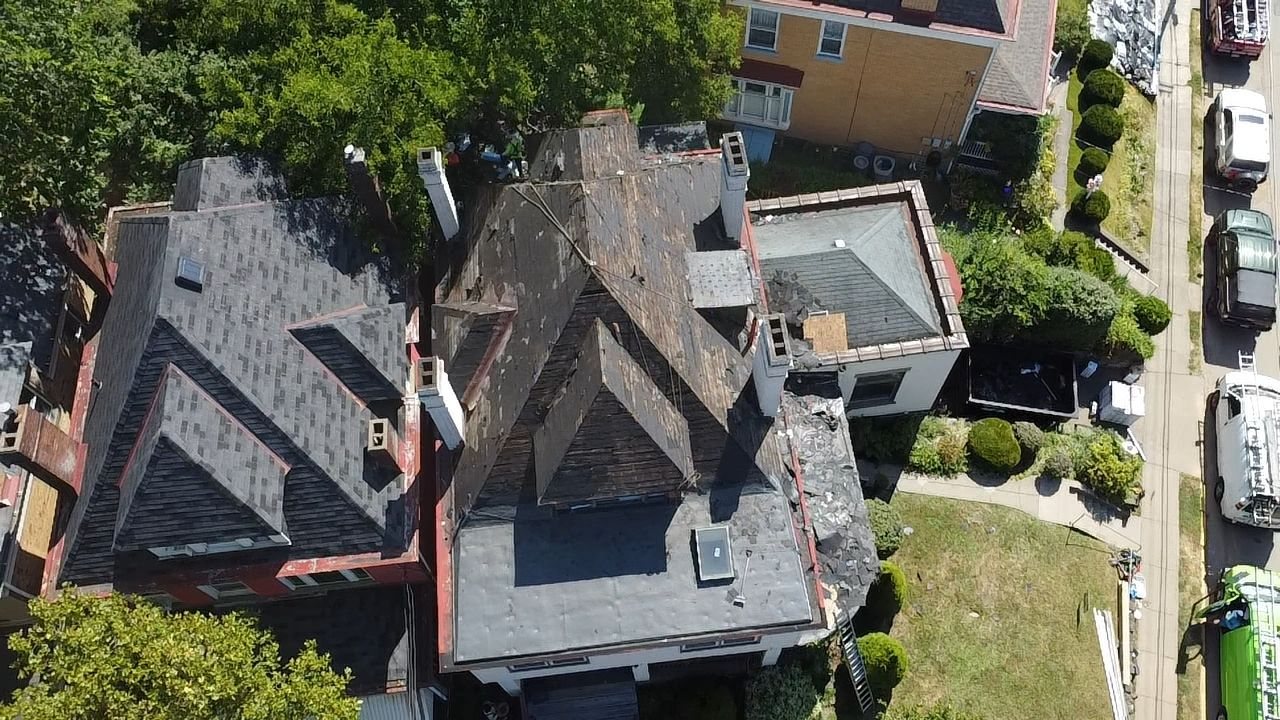
Understanding the adjuster’s inspection process gives you a real advantage. They distinguish between storm damage and normal aging. Fresh hail marks and displaced shingles tell a different story than cracked flashing from years of sun exposure. Adjusters evaluate roof age, material condition, and whether the damage aligns with recent weather events.
They also check ventilation, prior maintenance, and whether past repairs were done correctly. This is why documentation before and after any weather event is critical. If you are weighing repair versus replacement, take a look at Roof Replacement vs. Repair: When Should You Do Each in Pittsburgh?
An aging Pittsburgh roof photographed before our crew replaced it, Alan Construction.
Phrases That Will Tank Your Roof Insurance Claim
Let me be direct. Here are the statements that cause the most damage to homeowner claims, paired with why they are so harmful:
| What You Said | Why It Hurts Your Claim |
|---|---|
| “My roof was already old.” | Adjuster classifies damage as pre-existing or wear and tear. |
| “I think it’s my fault.” | Shifts liability to you instead of the covered event. |
| “I’m not sure what’s damaged.” | Suggests you have not documented or inspected the problem. |
| “It’s probably not that bad.” | Downplays severity, giving the insurer reason to lower the payout. |
| “I’ll just fix it myself.” | Reduces the estimated repair value the insurer will cover. |
| “Whatever you decide is fine.” | Tells the adjuster you will accept a lowball settlement. |
Each of these statements chips away at your leverage. When it comes to roof claim dos and donts, silence is often better than a guess. Stick to the facts and let the evidence speak.
How to Scare a Home Insurance Adjuster
“Scare” is a strong word, but the idea is simple: preparation makes adjusters take your claim seriously. Show up with timestamped photos, a detailed inspection report from a licensed roofing contractor, and organized records. When an adjuster sees that you have done your homework, a lowball offer is not going to fly.
Having your roofing contractor present during the inspection is another powerful move. According to the National Association of Insurance Commissioners (NAIC), having a contractor meet with you and the adjuster can strengthen your position. The adjuster is far less likely to undervalue a claim when a qualified professional is standing right there.
What Is the 25% Rule in Roofing?
The 25% rule is a guideline used in building codes and insurance evaluations. It states that when damage or repairs affect more than 25% of the total roof area, the entire roof system may need to be replaced to meet current code standards. The rule did not start in Pennsylvania, but many insurers reference it as a benchmark for determining whether a full replacement is warranted.
For homeowners, this threshold can work in your favor. If storm damage clearly exceeds a quarter of your roof’s surface, you may have grounds for a full replacement claim. Insurance companies sometimes try to keep estimates just under that line. A trusted roofing contractor can measure and document the true scope, which is a key part of smart roof insurance claim tips.
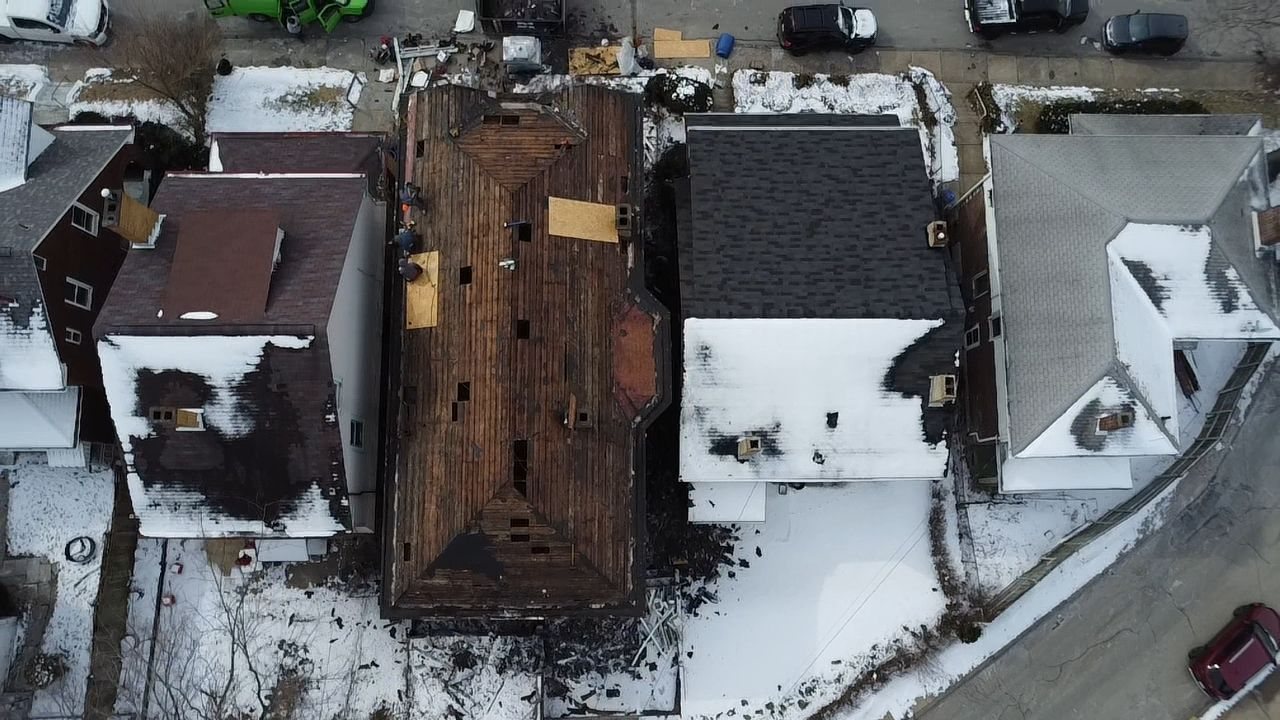
A Pittsburgh row house roof stripped to the boards during a full replacement, Alan Construction.
Document Everything Before the Adjuster Arrives
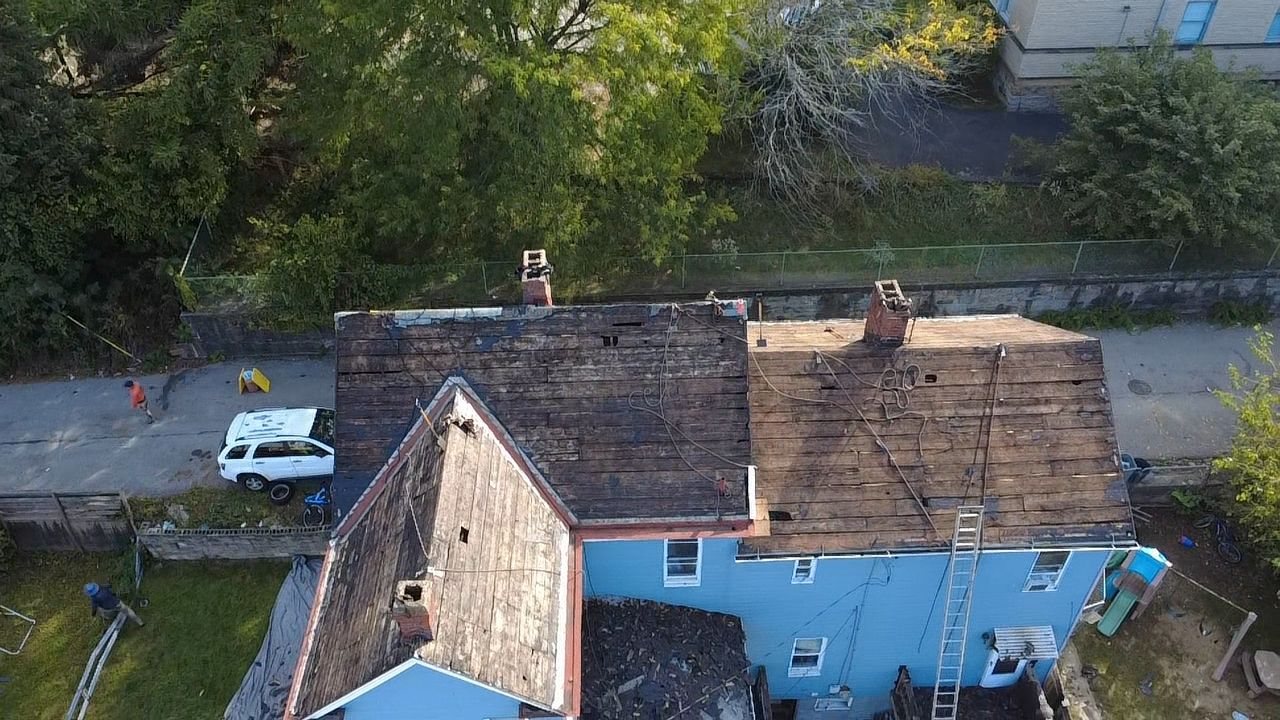
I cannot stress this enough. Your claim is only as strong as your evidence. Take photos of every area of visible damage as soon as it is safe. Capture missing shingles, granule buildup in gutters, dented flashing, and debris on the ground. Video walkthroughs also help because they capture context that individual photos miss.
Keep a written log of every conversation with your insurance company, including dates, names, and what was discussed. Save all receipts for temporary repairs. This kind of documentation is the backbone of any solid approach to roof claim dos and donts.
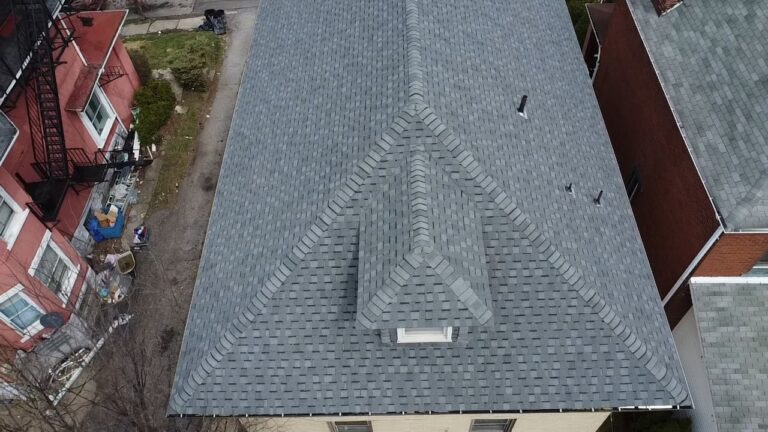
A drone view of a weathered roof in Glassport before we replaced it. Overhead photos show the whole roof at once, Alan Construction.
Never Accept the First Settlement Offer
The initial offer from your insurance company is rarely the final number. Adjusters base their first estimate on a quick inspection and company guidelines. That does not always capture the full scope of damage, especially when issues exist beneath the surface layer of shingles.
If the offer feels low, request a detailed breakdown of how they calculated the settlement. Compare it with an independent estimate from a licensed roofer. You have every right to negotiate and submit supplemental documentation. Avoiding this trap is one of the most valuable insurance adjuster mistakes you can learn from.
Keep the Timeline Clear and Consistent
Focus on Storm-Related Damage Only
When speaking to the adjuster, make sure every piece of information ties back to the specific weather event. Mention the date of the storm. Reference the type of severe weather. Do not volunteer unrelated details about your roof’s history.
Avoid Volunteering Extra Information
It is natural to want to be helpful and open, but oversharing during a claims conversation works against you. Answer only what is asked. If they ask when the damage occurred, give the date. If they ask what you noticed, describe the visible damage. That is it. The more you talk, the more material they have to potentially use against your claim.
Final Thoughts on What Not to Say to a Roof Insurance Adjuster
Navigating a roof insurance claim does not have to feel like a minefield. Stay calm, stay factual, and stay prepared. Get a professional inspection before the adjuster arrives. Document everything with photos, video, and written notes. Never accept the first offer without comparing it to an independent estimate.
The homeowners who get the best outcomes treat this like a business transaction. They know what not to say, they understand what adjusters look for, and they bring the right professionals to their side. Your home is worth the effort.
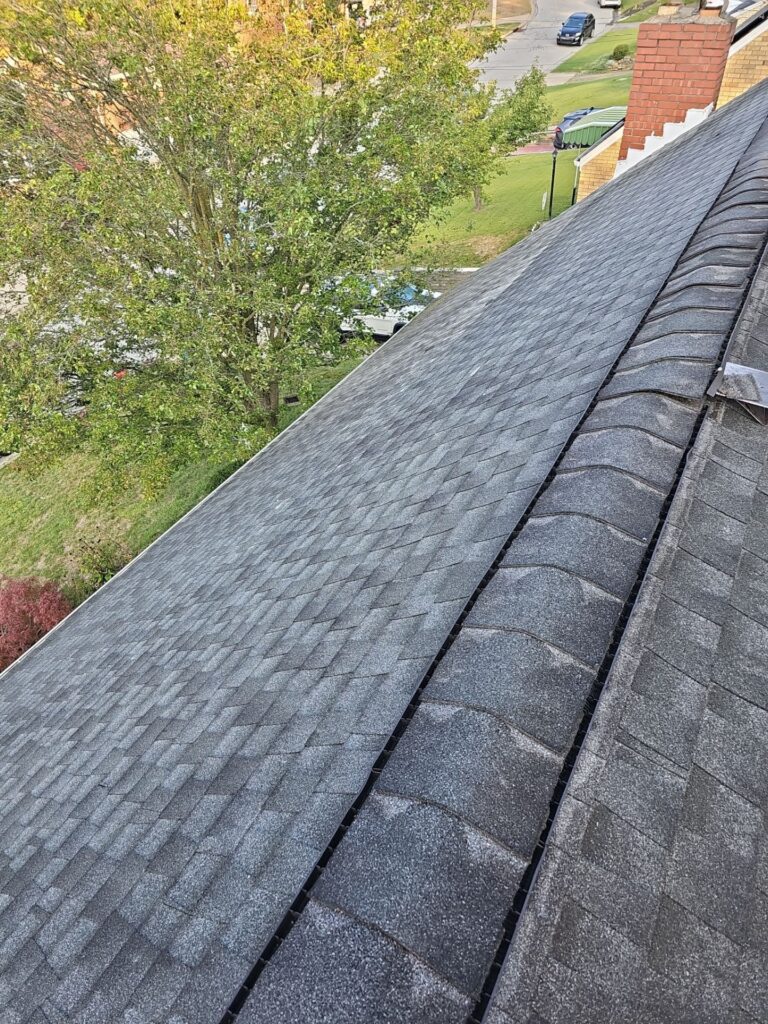
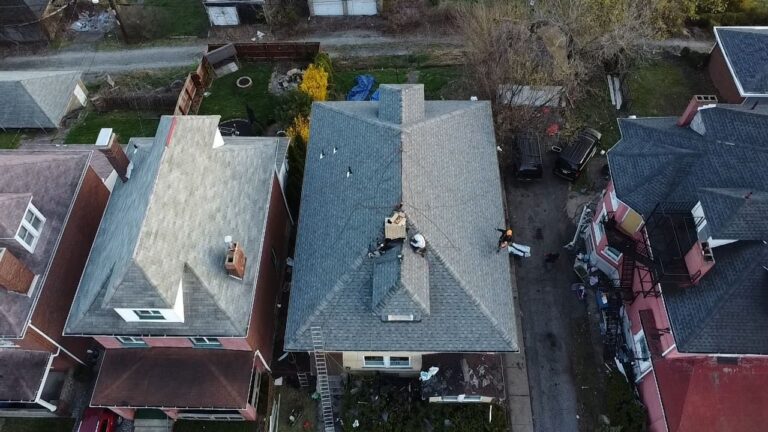
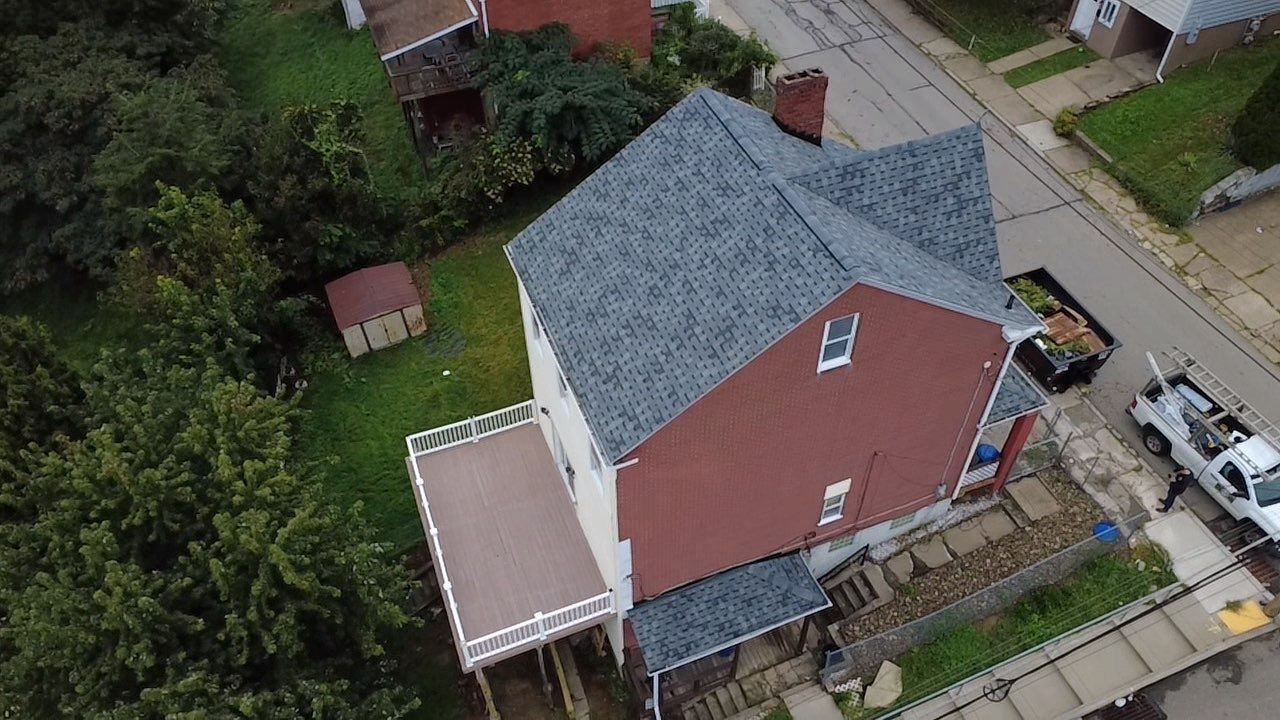
A finished roof replacement on a Pittsburgh brick home, Alan Construction.
Storm damage on your roof? Request a free, no obligation estimate and we will inspect the roof, document the damage and meet your adjuster.