Pittsburgh is a city rich in history and architectural diversity, and its many neighborhoods feature a unique housing style: the townhouse. From Lawrenceville to Shadyside and Bloomfield to the North Side, Pittsburgh’s townhouses are distinct for their connected structures, shared walls, and compact urban layouts. This unique setup demands special consideration when it comes to roofing solutions.
If you own or manage a townhouse in Pittsburgh, understanding the best roofing options that work with the city’s architecture and climate is essential to protecting your investment and ensuring long-term durability.
Pittsburgh’s Townhouse Layout: Connected and Compact
One of the defining features of Pittsburgh’s townhouses is that they are typically attached side-by-side in rows. Unlike detached homes, townhouses share common walls and often have very little space between units. This connection creates some unique roofing challenges:
- Shared Rooflines: Many townhouses have continuous roofs that span multiple units, meaning that damage or wear on one section can affect neighboring homes.
- Limited Access: Because houses are tightly packed, roofers often face access challenges when replacing or repairing roofs, requiring careful planning and coordination.
- Drainage and Water Runoff: Proper water drainage is critical since runoff from one roof can affect adjacent units if gutters or downspouts are improperly designed.
Given these complexities, choosing the right roofing solution for Pittsburgh townhouses requires an understanding of materials, installation techniques, and local climate considerations.
Pittsburgh’s Weather and Its Impact on Townhouse Roofs
Pittsburgh’s weather features cold, snowy winters, rainy springs, and humid summers. This varied climate puts stress on roofing materials, especially in the tightly packed townhouse environment where leaks can easily spread and damage multiple homes.
Winter snow and ice buildup can cause ice dams, while spring rains demand efficient drainage. Summer heat and humidity can accelerate wear and cause materials to expand and contract.
Because of this, durability, weather resistance, and proper installation are non-negotiable when choosing roofing for Pittsburgh’s townhouses.
Top Roofing Solutions for Pittsburgh Townhouses
Here are some of the best roofing materials and methods suited for Pittsburgh’s townhouse style:
1. Asphalt Shingles
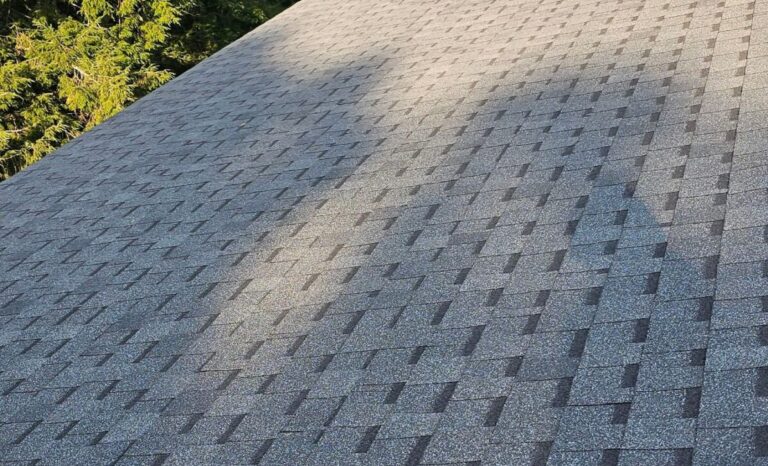
- Why They Work: Asphalt shingles are the most popular roofing material in Pittsburgh townhouses due to their affordability, ease of installation, and solid weather resistance.
- Benefits: They can handle snow and ice well and come in a variety of styles and colors to match the classic townhouse aesthetic.
- Considerations: Because townhouses are connected, it’s important that the roofing installation includes proper flashing and underlayment between units to prevent water infiltration.
2. Modified Bitumen Roofing
- Why They Work: Many Pittsburgh townhouses feature flat or low-slope roof sections—especially on rear extensions or porches—where modified bitumen is an excellent choice.
- Benefits: This durable, layered roofing system is highly waterproof and resistant to temperature fluctuations.
- Considerations: It requires professional installation to ensure seams are sealed properly, crucial in the tightly connected townhouse setting.
3. Metal Roofing
- Why They Work: Metal roofing is gaining popularity for its longevity (often 40+ years) and ability to shed snow and ice quickly, which is a big plus for Pittsburgh winters.
- Benefits: Metal panels or shingles are lightweight and require less maintenance over time.
- Considerations: Metal roofing installation on townhouses must include careful flashing at party walls to prevent leaks between units.
4. Slate or Synthetic Slate
- Why They Work: Pittsburgh is known for its historic neighborhoods with classic slate roofs. Synthetic slate offers a modern, lightweight alternative with similar aesthetic appeal.
- Benefits: Slate is highly durable and fire-resistant, perfect for maintaining historic charm in neighborhoods like Shadyside or Highland Park.
- Considerations: Slate roofing requires skilled contractors and may be more expensive upfront, but it adds significant curb appeal and longevity.
Key Installation Considerations for Pittsburgh Townhouses
- Party Wall Flashing: Because townhouses share walls, the junction where two roofs meet must have specially designed flashing to prevent water penetration.
- Gutter and Drainage Systems: Gutters must be coordinated between units to ensure water flows away effectively, preventing overflow onto neighboring roofs or walls.
- Coordinated Repairs: Since damage to one townhouse roof can affect others, working with your neighbors and contractors to coordinate repairs or replacements can save time and money.
Final Thoughts
Pittsburgh’s unique townhouse neighborhoods require roofing solutions tailored to their connected design and local climate challenges. Whether you choose traditional asphalt shingles, durable modified bitumen, long-lasting metal roofing, or elegant slate, the key is professional installation that considers shared rooflines, water drainage, and weather resistance.
If you own a townhouse in Pittsburgh’s vibrant communities—from Lawrenceville to Bloomfield—consult with local roofing experts who understand the specific needs of attached homes. Proper roofing solutions will keep your home safe, beautiful, and weather-resistant for decades to come.