Mount Lebanon, PA, located just outside of Pittsburgh, is known for its charming residential neighborhoods, tree-lined streets, and a variety of architectural styles. As a homeowner in this region, it’s essential to know the types of roofs that are common in Mount Lebanon, how weather conditions affect them, and when you should repair or replace your roof. The harsh seasons in Pittsburgh, with its humid summers, cold winters, and wet spring and fall months, can take a toll on your roof. Here’s a detailed guide to help you understand roof types and maintain them effectively.
Common Roof Types in Mount Lebanon, PA
- Gable Roof
The classic gable roof features two sloping sides that meet at a ridge. This design allows for quick water runoff, making it ideal for snowy winters and rainy seasons. Gable roofs are common in traditional American homes and are popular in Mount Lebanon due to their simple structure and affordability.
Pro Tip: Check the attic space for any signs of moisture or mold during the wetter seasons. - Hip Roof
A hip roof has four sides that slope down toward the walls, creating a pyramid shape. This style is known for its stability, especially in high-wind areas. Hip roofs are common in newer homes in Mount Lebanon and are favored for their durability in adverse weather conditions.
Pro Tip: Pay attention to the valleys where the slopes meet; these areas are prone to water buildup, especially during heavy rain. - Flat Roof
While flat roofs are more commonly seen on commercial buildings, some modern residential homes in Mount Lebanon feature this design. Flat roofs are sleek and minimalistic but require good drainage systems to prevent water from pooling, which can cause leaks and damage.
Pro Tip: Inspect the drainage system and clean gutters regularly to ensure proper water flow. - Mansard Roof
A mansard roof features a steep lower slope and a gentler upper slope, often giving extra space for a second floor or attic. While this style is less common, it can be found in homes with French or Victorian influences in Mount Lebanon.
Pro Tip: Check the corners and intersections of the roof for signs of sagging or water damage. - Gambrel Roof
Gambrel roofs, similar to barn roofs, have two slopes on each side, with the lower slope being steeper than the upper one. This style is often found on Dutch Colonial-style homes and provides extra space in the attic or upper floors.
Pro Tip: Pay close attention to the roof’s ridge for signs of shifting, as these roofs can be prone to structural issues due to the steeper angle. - Shed Roof
This simple roof style features a single sloping plane, often used in modern or minimalist homes. While not as traditional, it’s becoming increasingly popular in newer homes and additions in Mount Lebanon.
Pro Tip: Since these roofs often lack multiple slopes, ensure that the roof has proper drainage, especially during spring showers. - Bonnet Roof
This style extends the eaves of a hip roof, offering extra protection from the elements. It is often used in homes with traditional Southern or Victorian influences.
Pro Tip: Check the overhanging sections of the roof regularly, as extended eaves can trap moisture, leading to rot or mold growth.
How Pittsburgh’s Weather Affects Your Roof
Pittsburgh, including Mount Lebanon, is known for its varied and sometimes extreme weather conditions. Here’s how these conditions can impact your roof:
- Heavy Snowfall in Winter: Snow accumulation can add significant weight to your roof, especially if it’s a flat or low-pitched design. Ice dams, formed when melting snow refreezes at the edge of the roof, can also cause leaks and damage.
Tip: Before winter, ensure your roof is clear of debris, and inspect your attic for proper insulation to prevent ice dams. - Rain and Humidity in Spring and Fall: Mount Lebanon experiences significant rainfall, especially in the spring and fall. This can lead to pooling water on flat roofs and excess moisture in the attic space.
Tip: Clean gutters regularly to prevent blockages and check the roof for any leaks after heavy rain. - High Winds in Summer: Summer storms can bring strong winds that may cause damage to shingles, flashing, or roof corners.
Tip: Inspect your roof after storms to check for loose shingles or flashing.
When to Repair vs. Replace Your Roof
As seasons change, it’s important to recognize the difference between needing a repair versus a full roof replacement. Here’s what to look for:
Signs You Need a Repair:
- Missing or Damaged Shingles: If only a few shingles are damaged or missing, a repair is often sufficient.
- Leaking Roof: Small leaks or localized moisture spots can often be fixed by sealing or replacing a small section of the roof.
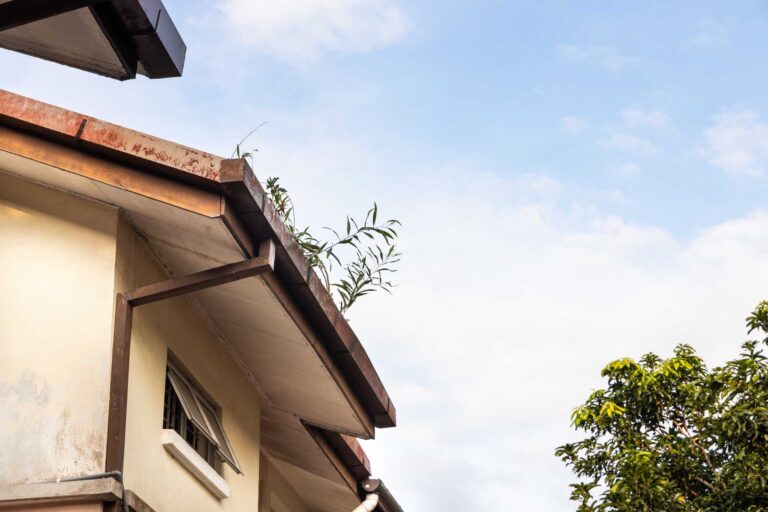
- Gutter Damage: If your gutters or flashing are leaking or rusted, they can be replaced or sealed without requiring a new roof.
Signs You Need a Replacement:
- Widespread Shingle Damage: If more than 30% of your shingles are missing, cracked, or curled, it’s time for a full replacement.
- Extensive Water Damage: If your attic shows signs of significant water damage or mold growth, a new roof may be necessary.
- Sagging Roof: A sagging roof can indicate structural issues that likely require complete replacement.
Tips for Roof Maintenance in Mount Lebanon
- Seasonal Inspections: Perform a roof inspection at the start of every season, checking for damage, debris, or wear. Early detection of issues can save you costly repairs down the road.
- Clean Gutters: Clean your gutters and downspouts regularly, especially in the fall when leaves are abundant. Clogged gutters can cause water to pool on the roof and lead to leaks or water damage.
- Trim Overhanging Trees: Ensure that tree branches are not hanging over your roof. Heavy snow or wind can cause branches to fall, leading to roof damage.
- Proper Insulation and Ventilation: Ensure your attic is properly insulated to prevent ice dams in winter and keep your home cool during summer.
Conclusion
In Mount Lebanon, your roof is your home’s first line of defense against the elements, so keeping it in good condition is essential. By understanding the different types of roofs in the area, staying aware of how Pittsburgh’s weather can affect your roof, and knowing when to repair or replace your roof, you can protect your home from costly damage. Whether you’re dealing with harsh winters, humid summers, or spring rain, regular inspections and maintenance will help ensure your roof stays in top shape year-round.
If you’re unsure about the condition of your roof, it’s always best to consult with a professional roofer who can assess the damage and provide expert advice.