Your roof does a lot of heavy lifting. It takes on rain, wind, snow, UV rays, and temperature swings year after year without complaint. But at some point, every roof reaches the end of its useful life. Replacing too early wastes money. Waiting too long invites leaks, structural damage, and emergency repairs that cost far more than a planned roof replacement timeline would have.
I have seen homeowners ignore warning signs for years, only to pay double what they would have if they acted sooner. This guide covers the factors that determine how often you should replace your roof, the warning signs to watch for, and how to plan ahead.
What Is the Typical Life Expectancy of a Roof?
There is no single answer because roof lifespan by material varies significantly. A basic 3-tab asphalt shingle roof might hold up for 15 to 20 years, while a premium architectural shingle roof could last 25 to 30 years. Metal roofing pushes that range even further, often lasting 40 to 70 years depending on the type and coating used.
Then there are the heavy hitters. Clay and concrete tile roofs regularly exceed 50 years, and natural slate can protect a home for 75 to 100 years or more. Those materials come with a higher upfront cost, but the material you choose at installation sets the clock on your next replacement.
Roof Lifespan by Material: A Quick Comparison
Sometimes it helps to see the numbers side by side. These ranges assume proper installation, decent ventilation, and at least basic maintenance throughout the roof’s life.
| Roofing Material | Expected Lifespan |
|---|---|
| 3-Tab Asphalt Shingles | 15 to 20 years |
| Architectural Asphalt Shingles | 25 to 30 years |
| Wood Shakes/Shingles | 20 to 40 years |
| Metal Roofing | 40 to 70+ years |
| Clay/Concrete Tile | 50 to 100 years |
| Slate | 75 to 100+ years |
These are estimates, not guarantees. A poorly installed metal roof could fail faster than a well-maintained asphalt one. Installation quality matters just as much as the material itself, and in some cases, even more.
How Often Should You Replace the Roof of Your House?
For most homeowners with standard asphalt shingles, the realistic answer is roughly every 20 to 25 years. That is the sweet spot where the shingles have done their job and the underlayment may be deteriorating. A good rule of thumb: if repairs exceed about 30% of what a new roof would cost, it is time to seriously consider replacing rather than patching.
Your roof replacement timeline also depends on where you live. Homes in regions with harsh winters, heavy rainfall, or intense sun exposure tend to see shorter lifespans. Climate is one of those factors you cannot control, but you can account for it when planning ahead financially.
How Do You Know When It Is Time to Replace a Roof?
Age alone does not tell the full story. A 22-year-old roof in great shape might have a few more years left, while a 15-year-old roof that was poorly installed could already be failing. Start with a visual inspection from the ground. Are shingles curling at the edges? Do you see cracked, buckled, or missing shingles?
Check your gutters too. If you are finding granules collecting in the downspouts or at the base of your home, your shingles are losing their protective layer. Inside the house, look in the attic for daylight coming through the roof boards, water stains, or sagging. These issues usually mean it is time to replace your roof rather than repair it.
Key Warning Signs That Point to Roof Replacement
Visible Shingle Damage
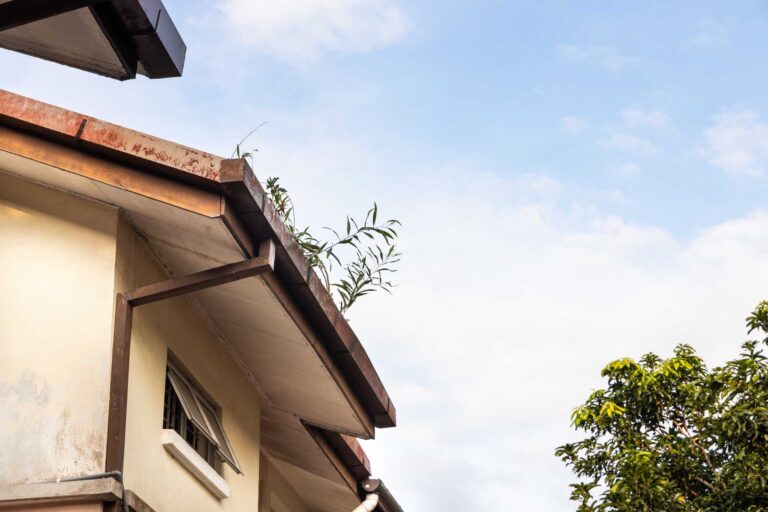
Curling, cracking, and missing shingles are the most obvious indicators. When shingles lose their flexibility, they can no longer protect the underlayment beneath them. Once water gets past that first layer, the damage accelerates quickly. Even a handful of compromised shingles can create vulnerabilities across the entire roof system.
Persistent Leaks and Water Damage
A single leak around a vent or chimney might just be a flashing issue. But if you are dealing with recurring leaks in multiple areas, the underlying structure is likely compromised. Water stains on ceilings, damp insulation in the attic, and mold growth are all red flags that demand immediate attention.
Sagging Roof Deck
This is one you cannot afford to ignore. A sagging roofline typically indicates structural problems caused by prolonged moisture exposure or inadequate support. If you notice any dip or wave in your roofline, call a professional right away. This is not a repair situation. It is a replacement conversation.
The Role of Maintenance in Your Roof Replacement Timeline
Regular maintenance is the most effective way to stretch your roof lifespan by material to its full potential. That means cleaning gutters twice a year, trimming overhanging branches, removing debris from valleys, and scheduling a professional inspection annually once your roof passes the 10-year mark.
According to This Old House, proactive steps like ensuring proper attic ventilation and applying protective coatings can meaningfully extend the life of your roofing system. Proper ventilation alone prevents heat and moisture buildup that degrades shingles from the inside out. Skipping maintenance does not save money. It just moves the cost forward and makes it bigger.
When to Repair vs. When to Replace
Not every problem means you need a brand-new roof. If the damage is isolated and the rest of the roof is in solid condition, a repair makes perfect sense. Repairs are also the right call when your roof is still in the first half of its expected lifespan.
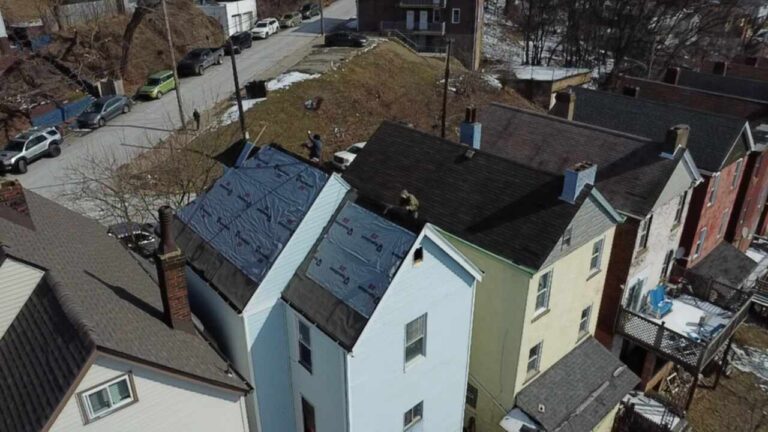
Replacement becomes the smarter move when damage is widespread, when repairs keep adding up, or when your roof is approaching its expected end of life. If you find yourself calling a roofer every year for a new issue, those repair bills are better spent on a full when to replace roof investment that resets the clock entirely. For a sense of what the project involves, take a look at How Long Does a Roof Replacement Take? A Complete Timeline.
How Climate and Environment Affect Replacement Frequency
Weather is arguably the biggest external factor in how long your roof lasts. Homes in areas with frequent hailstorms, heavy snowfall, or prolonged UV exposure will see faster degradation. Temperature swings cause roofing materials to expand and contract repeatedly, weakening them over time.
Humidity introduces its own challenges. Moisture encourages algae and moss growth, both of which trap water against the roof surface and accelerate deterioration. If you live in a climate with these conditions, you may need to budget for replacement sooner than the standard roof replacement timeline suggests.

Planning Ahead for Your Next Roof Replacement
The best time to start thinking about your next roof is long before you actually need one. I recommend getting a professional inspection around the 15-year mark for asphalt shingle roofs. That inspection gives you a realistic picture of how much life remains and lets you start budgeting accordingly.
Keep records of every repair, inspection, and maintenance task. This history helps roofing professionals assess your roof more accurately. Knowing when to replace roof is not just about spotting problems. It is about being proactive so you control the timeline instead of the timeline controlling you.
Your roof is one of the largest investments in your home. Stay on top of maintenance, pay attention to the warning signs, and work with a trusted contractor when the time comes. A well-timed replacement protects your home and your wallet for decades.