Most homeowners never glance at the underside of their roofline until something goes wrong. A wasp nest appears. A panel sags. Water shows up where it shouldn’t. So what is soffit on a house? It’s the flat panel that closes off the underside of your roof overhang, and it does far more work than its quiet appearance suggests.
We’ve spent over 20 years on Pittsburgh roofs and rooflines, and we see what happens when this part of the exterior gets ignored. If yours is already sagging or rotting, our page on soffit and fascia repair in Pittsburgh explains how we handle it. Otherwise, let’s break it down properly.
Short answer: soffit is the panel under your roof overhang that connects the wall of the house to the fascia board. It lets air into the attic, keeps water and animals out of the rafters, and gives the roofline a finished look.
What Is Soffit on a House, Exactly?
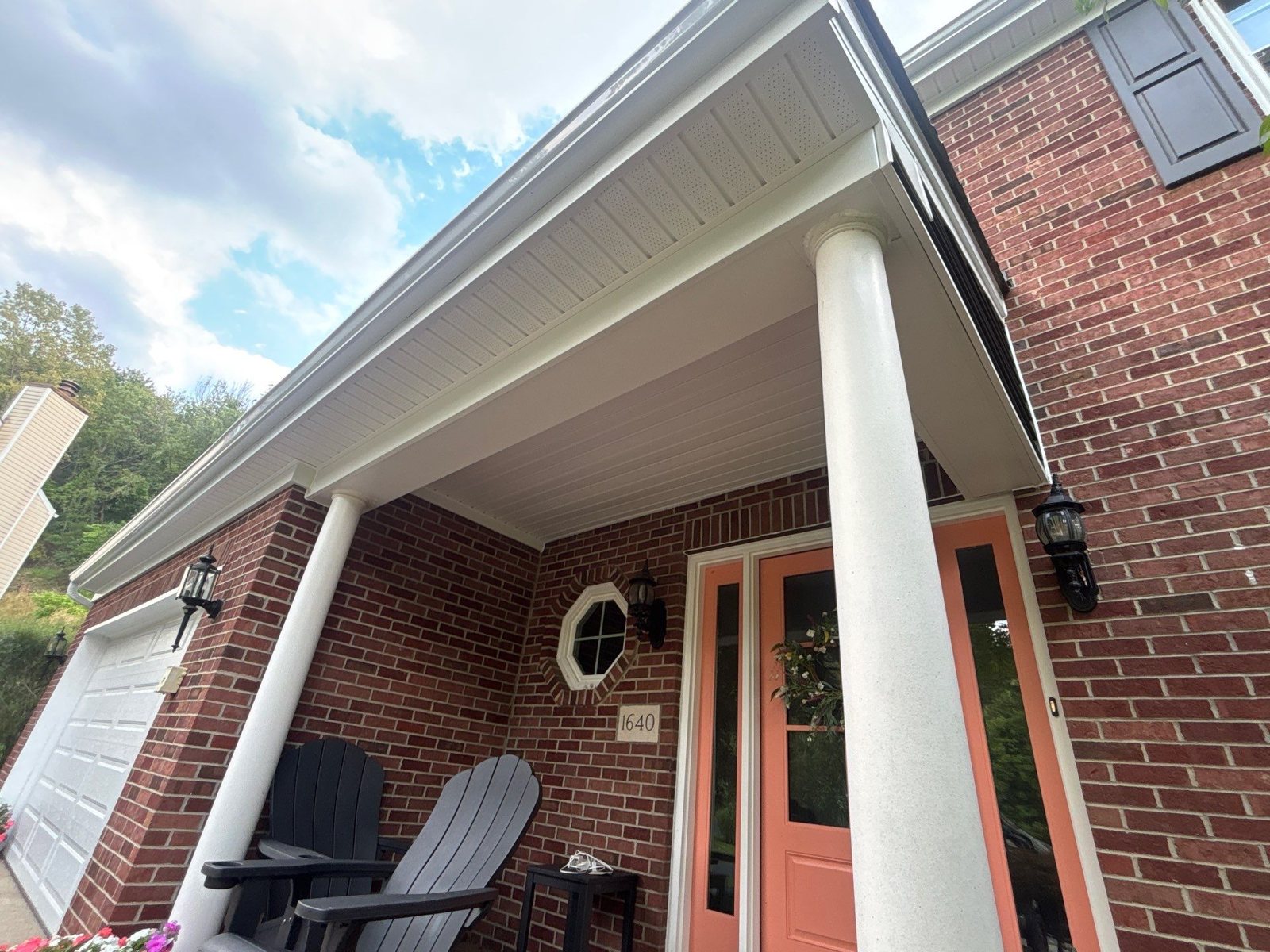
Picture standing under your eaves and looking straight up. That flat surface bridging the gap between your siding and the outer edge of the roof is the soffit. It connects the wall of your home to the fascia board, which is the trim board that runs along the roof edge and usually carries the gutters.
Soffit isn’t only found at the eaves. The same kind of panel often finishes porch ceilings and the underside of gables. Whatever the location, the job stays the same: protect, ventilate, and finish the look of your home.
White porch ceiling and soffit over a brick front entry in Pittsburgh, Alan Construction.
Why Soffit Matters for Attic Ventilation
Your attic needs to breathe. Without proper airflow, hot air gets trapped in summer and moist air condenses in winter, and both of those damage your home from the inside out.
Vented soffits pull cool outside air into the attic at the eaves. That air travels up under the roof deck and exits through ridge vents or other exhaust vents near the peak. This steady cycle keeps heat from baking your shingles and keeps moisture from collecting on the underside of the roof deck.
If you’ve ever seen ice dams along your eaves in February, poor ventilation is often part of the problem. We explain the whole intake and exhaust system in why proper attic ventilation matters before cold weather arrives.
Are Soffits Necessary for a House?
Short answer? On any house with a roof overhang, yes. Here’s why skipping them is asking for trouble.
Without soffits, your rafter tails sit fully exposed. Rain, snow, wind and sun beat down on raw wood, which speeds up rot and weakens the structure that holds your roof edge together. Critters love that kind of opening too. Squirrels, bats, mice and birds will happily move into an open attic and chew wiring or build nests.
A properly installed soffit seals off those openings while still letting in the airflow your attic needs.
The Benefits Most Homeowners Miss
- A ventilated attic stays closer to the outside temperature, which takes some strain off your heating and cooling.
- Good airflow helps your shingles and roof deck last longer.
- Crisp, straight soffit lines make the whole house look finished. Compare a home with rotted or missing panels to one with clean eaves and the difference is obvious from the street.
Types of Soffit
When people search for the different types of soffit, they usually mean one of two things: how the panel handles air, or what it’s made of. Both matter.
Vented soffit
Vented panels are perforated with rows of small holes. They’re the standard choice wherever the attic needs intake air, which is most pitched roofs in Pittsburgh.
Solid soffit
Solid panels have no holes. They’re used on porch ceilings, over garages, and anywhere there’s no attic space behind the panel that needs air. Putting solid panels where vents belong is one of the most common mistakes we find.
Continuous vent strips
Some older homes have solid wood soffit with a narrow vent strip running the length of the eave, or small round or rectangular vents cut in every few feet. These work if they stay open, but decades of paint often seal them shut.
Soffit Material Options
The main soffit material options are vinyl, aluminum, wood and fiber cement. Each one has a place, and the right pick depends on the house, the exposure and how much upkeep you want.
Vinyl is lightweight, low maintenance and shrugs off moisture. Aluminum is durable and won’t rot. Wood offers timeless character but needs regular painting. Fiber cement gives a painted wood look with much better rot resistance.
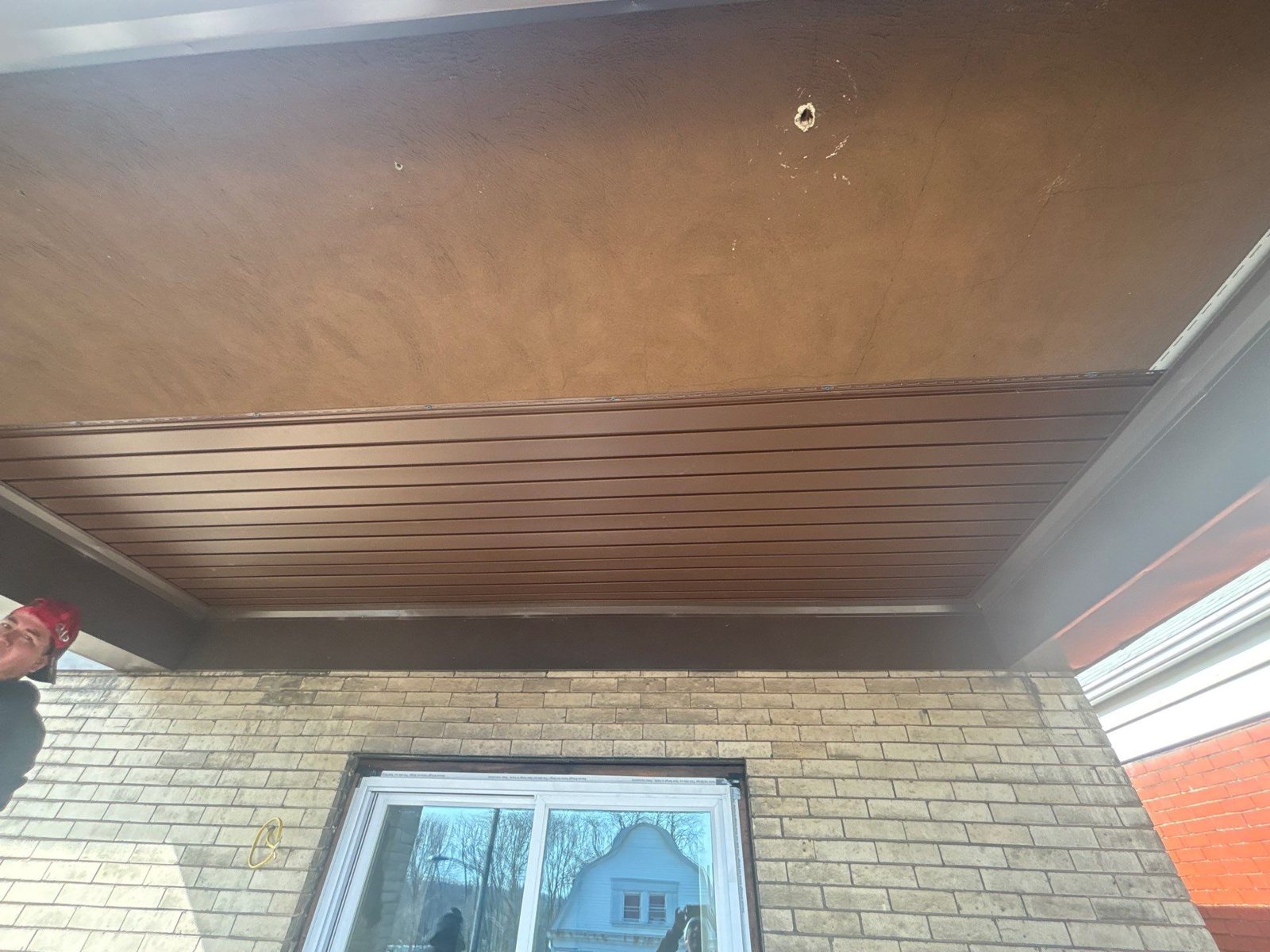
Porch ceiling with new soffit panels above a window in Pittsburgh, Alan Construction.
| Material | Upkeep | Strengths | Watch out for |
|---|---|---|---|
| Vinyl | Low | Won’t rot, many colors, vented or solid | Can sag on wide overhangs if not supported |
| Aluminum | Low | Rigid, won’t rot, pairs with aluminum fascia wrap | Can dent from ladders or hail |
| Wood | High | Matches historic trim and profiles | Needs paint, rots when water gets in |
| Fiber cement | Moderate | Wood look, rot and pest resistant | Heavier, needs painting over time |
What is the best soffit material?
For most Pittsburgh homes, vented vinyl or aluminum soffit is the best soffit material for the money: it doesn’t rot, it doesn’t need paint, and it handles our freeze and thaw cycles well. Wood still makes sense on a historic home where matching the original profile matters, as long as you’re willing to keep it painted. The best choice is the one that fits your house and keeps the attic breathing.
What Drives the Cost of Soffit Replacement?
This is the question we hear most, and the honest answer is that it depends. The size of the house, the material, how high the eaves are, and whether there’s hidden damage to the rafter tails or fascia all change the scope.
What we can tell you is that waiting almost always makes the job bigger. Once water gets in and rot spreads to the framing, you’re no longer doing a cosmetic fix. You’re doing carpentry. Our estimates are free, and we’ll show you exactly what we find.
Does Homeowners Insurance Cover Soffit and Fascia?
Sometimes. Policies generally cover sudden, accidental damage. If a tree limb crashes through your overhang in a storm, or wind tears panels loose, there’s a good chance your policy will help.
What insurance usually won’t cover is gradual wear. Soffit that has been rotting for ten years from poor ventilation or a clogged gutter is normally the homeowner’s responsibility. Photograph any storm damage right away and talk to your adjuster before assuming anything. We work with homeowners insurance on storm claims and can meet the adjuster at your house.
Signs you might need soffit replacement soon
Walk around your house this weekend and look up. Any of these are red flags:
- Chipped or peeling paint, or water stains
- Holes, gaps or sagging sections
- Nests or droppings near the eaves
- Soft spots when you press the wood lightly with a screwdriver
Catching these early means a smaller, simpler project.
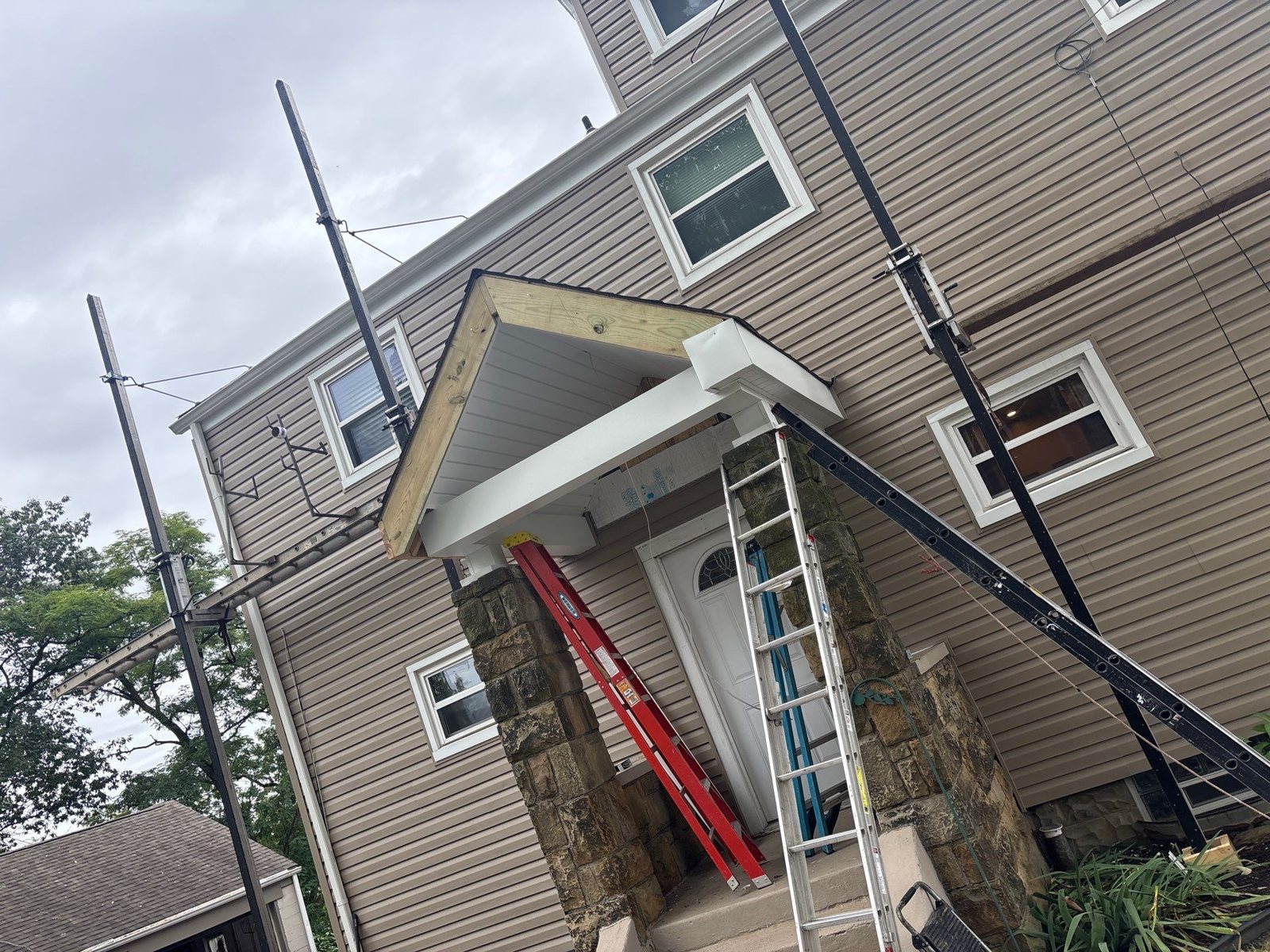
Ladders and pump jacks set up against a home during siding work in Carnegie, Alan Construction.
Does a Roofer Do Soffits?
Some do, some don’t. Many roofing companies stop at the shingles and the roof deck. We don’t. At Alan Construction, soffit and fascia are part of the roof system, and we treat soffit replacement as the detailed work it is, not a quick add on.
We inspect the framing behind the old panels, fix hidden moisture damage before it gets covered up, make sure the vents line up with real airflow into the attic, and finish the edge so the drip edge and gutters shed water the way they should.
Having one crew handle the roof, soffit, fascia and gutters also means nobody is guessing about who is responsible for the roof edge. If you’re planning a full roofline project, read how soffit and fascia protect homes in Point Breeze for the right order of work.
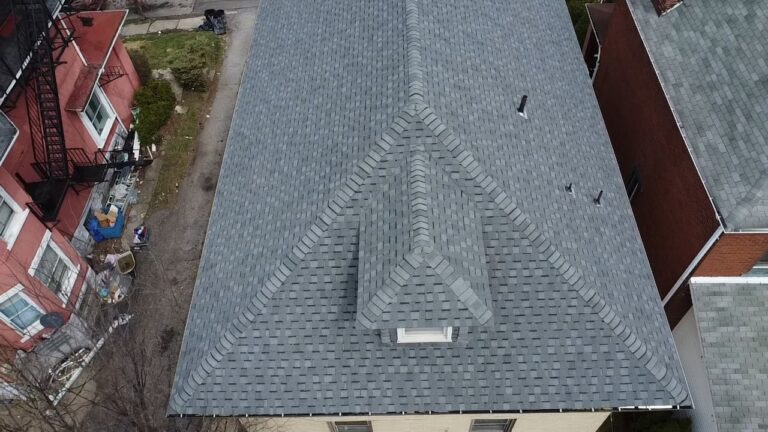
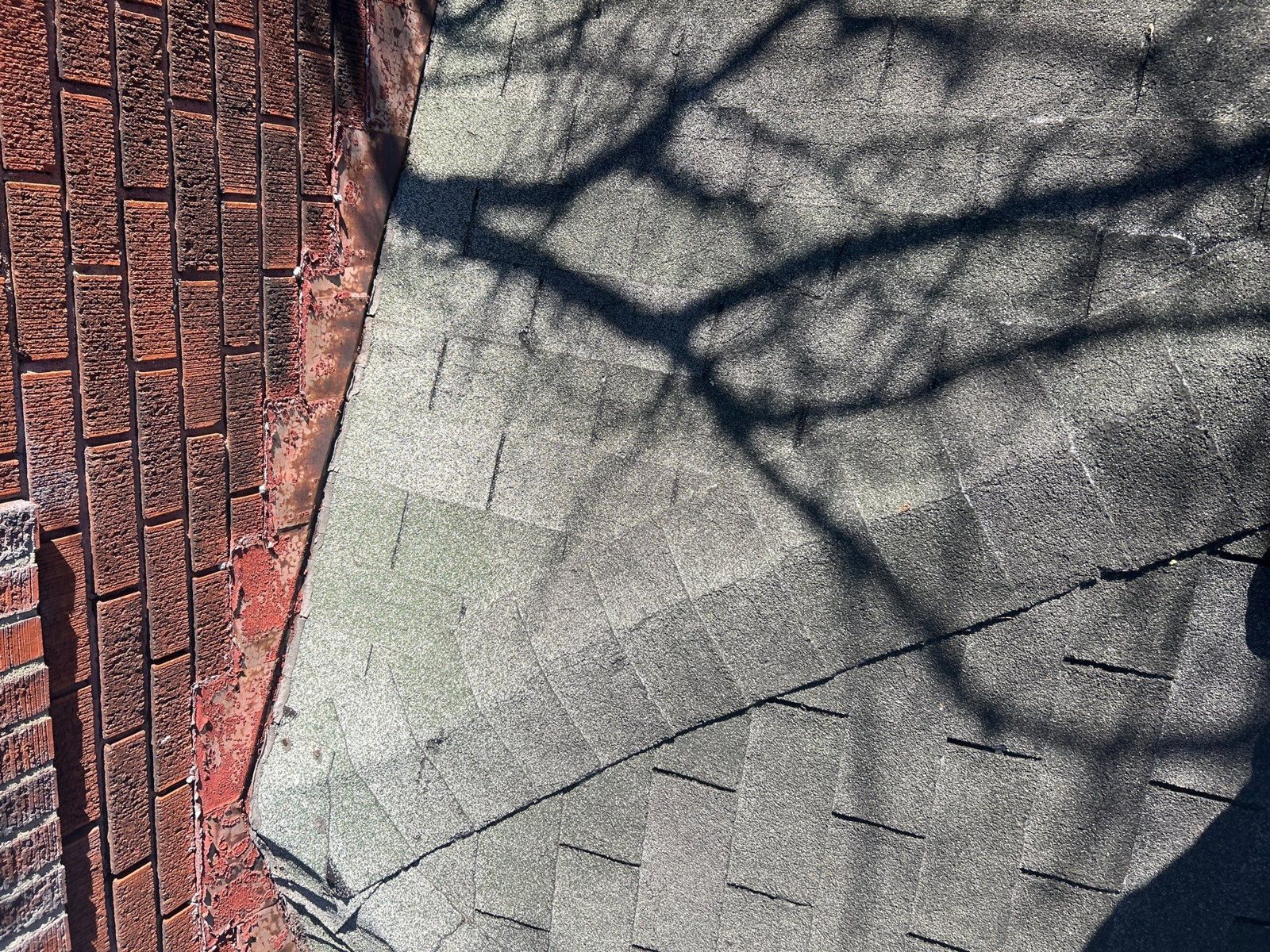
New gray shingles along a brick wall in Pittsburgh, Alan Construction.
Not sure what’s going on under your eaves? Request a free estimate and we’ll take a close look at your soffit, fascia and attic airflow.