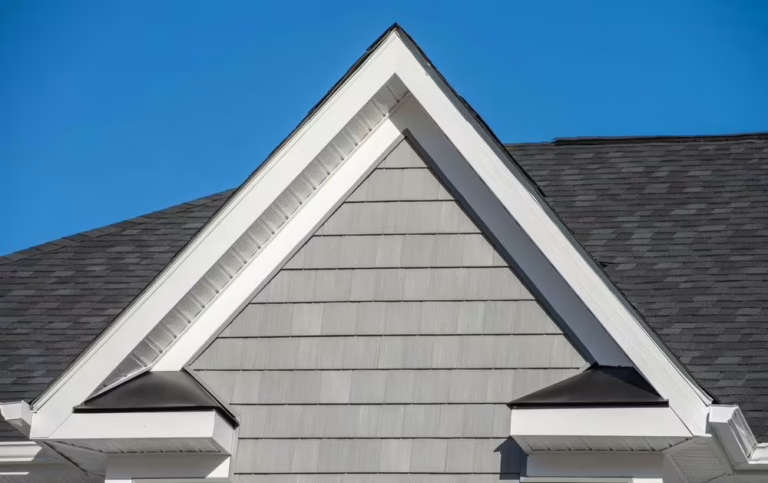
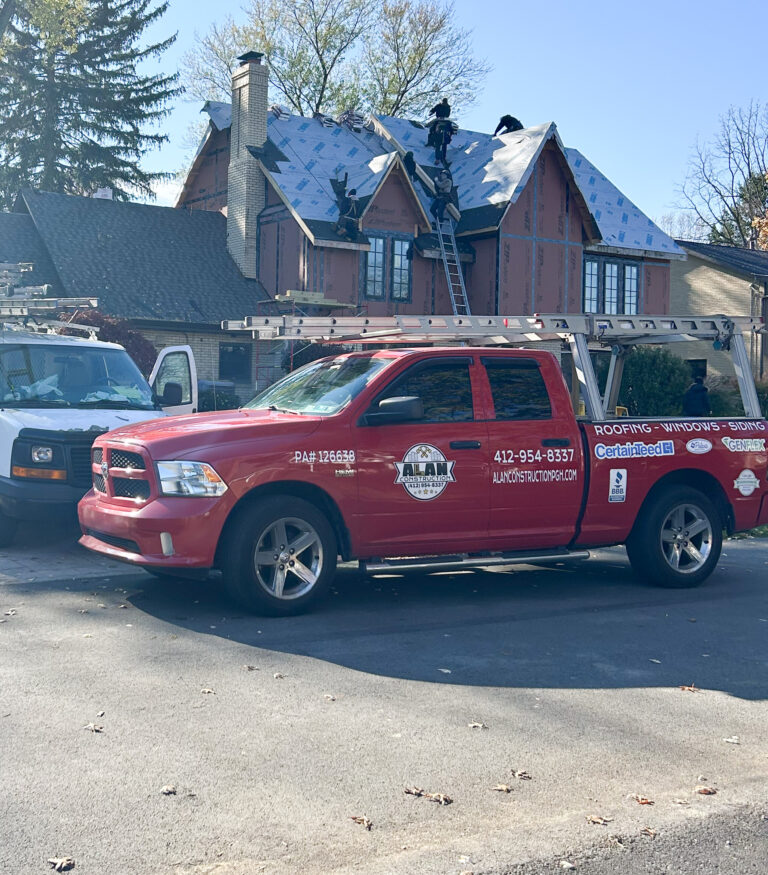
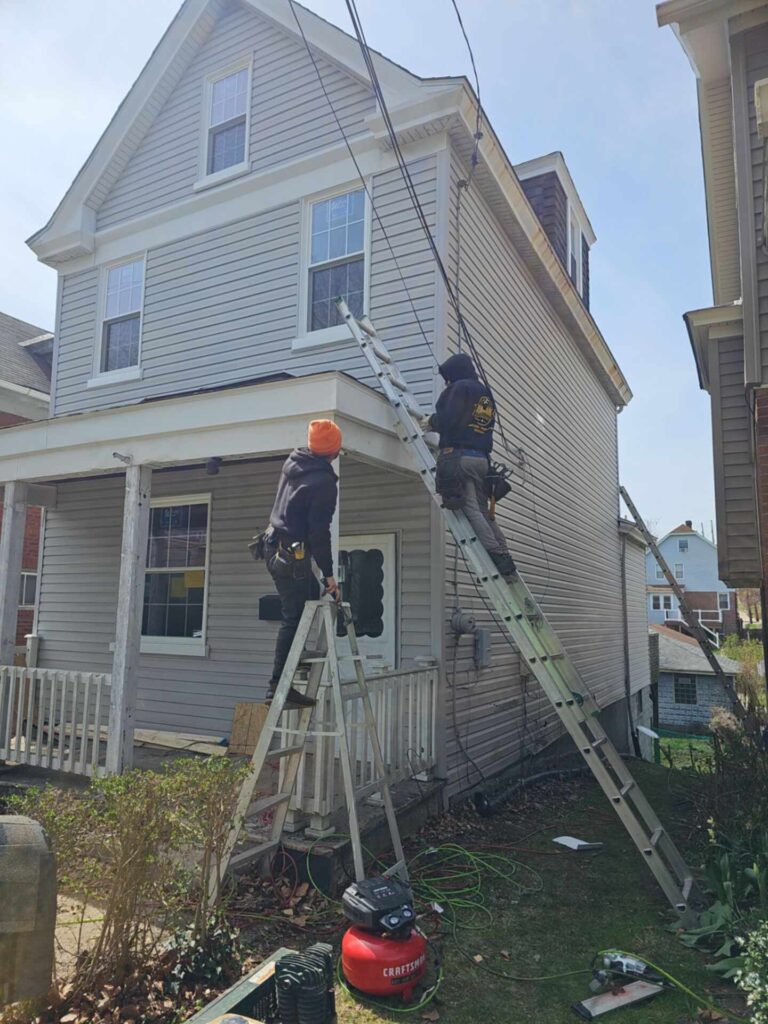
A few winters back, I stood in a driveway in Mt. Lebanon with a homeowner who was staring at a long crack down her vinyl siding. It had split clean through during a February cold snap, the kind where the temperature drops twenty degrees overnight. She asked me one simple question. “Is there anything that won’t do this?” That conversation is the reason I write about this material so often.
Pittsburgh weather is not gentle on a house. We get freeze-thaw swings, soggy springs, heavy snow loads, and humid Julys, sometimes in the same month. Homeowners here are tired of patching, repainting, and replacing. More and more of them keep landing on the same answer, and it holds up.
What Are the Benefits of Fiber Cement Siding?
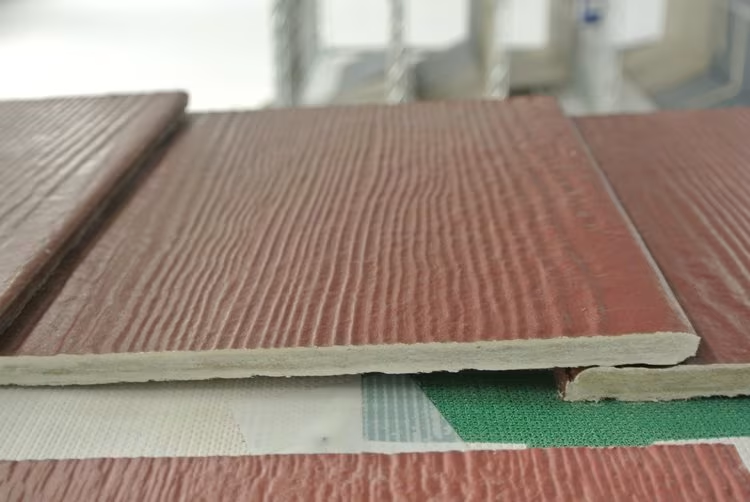
Let me start with the short version. It lasts, it looks great, and it stops fighting the weather. Fiber cement siding is a blend of cement, sand, and cellulose fibers, and that recipe gives it a toughness wood and vinyl cannot match. It will not rot in a wet spring. Termites ignore it, and so do the woodpeckers that treat some neighborhoods like a drum kit.
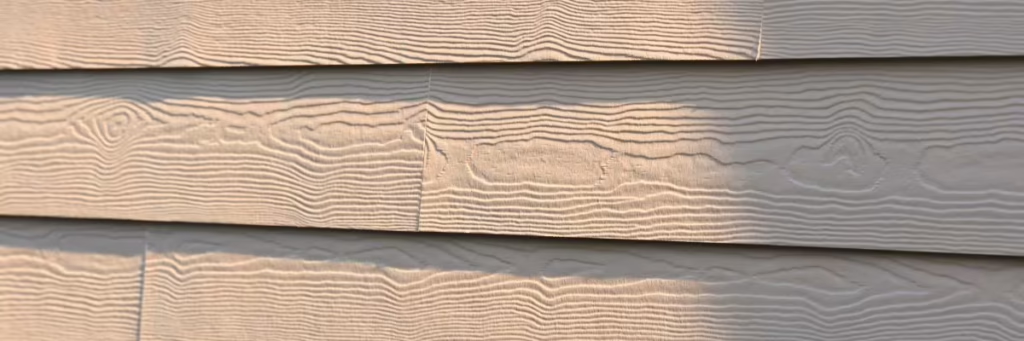
It is also naturally fire-resistant, which matters more than people expect on tightly packed city blocks. The material will not feed a flame the way wood does, and it will not melt like vinyl. It holds paint beautifully, and it can be shaped to mimic real wood grain or smooth stucco. You get the high-end look without the endless upkeep.
Curb appeal is the part people underestimate until they see it. I remember a house in Regent Square that went from tired and patched to the best-looking home on the block in a single week. The owner told me two neighbors stopped by asking who did the work. That is the quiet benefit. Good siding does not just protect a home, it lifts the whole street.
Why More Pittsburgh Homeowners Are Choosing Fiber Cement Siding
Here is the regional truth. Our climate punishes anything that expands and contracts, and that is exactly where fiber cement pulls ahead. It stays dimensionally stable through the freeze-thaw cycle that cracks brittle vinyl and swells damp wood. When I explain why more Pittsburgh homeowners are choosing fiber cement siding, that stability is almost always the deciding factor.
There is an energy angle too, and older homes here feel it. Because the boards are dense and sit tight against the wall, they cut down on air leaks and heat loss. A drafty 1920s foursquare in Bloomfield holds its warmth noticeably better once it is wrapped right. That is real money back on a winter gas bill.
It also fits the character of our neighborhoods, which is no small thing. Pittsburgh has a look, from the trim on a Lawrenceville rowhouse to the wide porches out in the North Hills. Fiber cement can be milled to match that character instead of flattening it. When a home keeps its style and gains fifty years of protection, everybody wins.
What Is the Lifespan of Fiber Cement Siding?
This is the question I hear most, and the answer surprises people. Installed and maintained properly, fiber cement routinely lasts 30 to 50 years, and most manufacturers back it with a 30-year warranty. Independent performance testing from the manufacturer suggests it can push well beyond that in good conditions. Compare that to vinyl, which you may be replacing in half the time.
Maintenance That Actually Matters
Low maintenance does not mean no maintenance, and I am honest with clients about that. Wash it once or twice a year with a garden hose and a soft brush. Keep an eye on the caulk around windows and trim, since that is the part that ages fastest. Factory-baked color finishes can hold up around 15 years before they need attention. Do those small things and the siding will likely outlast your years in the house.
What Are the Potential Drawbacks of Fiber Cement Siding?
I would not be much of a siding contractor if I only told you the good parts. Fiber cement is heavy, and that weight makes it a poor fit for a weekend DIY project. It needs specialized cutting tools and careful handling, because the dust is not something you want to breathe. Installation takes skill, and a bad install quietly undoes every benefit I just described.
The Upfront Cost Question
The other honest drawback is price. Fiber cement costs more upfront than vinyl, sometimes noticeably more. I understand why that gives people pause, especially with a cheaper option sitting right there. But here is how I frame it. You are buying decades, not years, and spread across a 40-year lifespan it often works out cheaper than replacing vinyl twice.
What Are the Common Problems With Fiber Cement Siding?
Almost every problem I have been called out to fix traces back to installation, not the product. Boards nailed too tight or too loose. Missing flashing. Seams left uncaulked. Each one invites moisture behind the siding, and moisture is the enemy of any exterior. Let water get where it should not be, and over time you see swelling, paint failure, or worse.
The lesson is not complicated. The material is excellent, but it only performs when it is installed to the manufacturer’s spec. That is why the crew matters as much as the boards themselves. Cutting corners on labor is where good siding goes bad.
One more thing worth naming is paint and color over the long haul. Older fiber cement that was painted on site can chalk or fade a shade faster than the factory-finished boards we use today. It is easy to fix with a repaint, and the boards underneath stay sound. Still, it is a fair reason to ask what finish you are actually getting. A little clarity up front saves you a surprise a decade later.
Fiber Cement vs. Vinyl and Wood: How They Stack Up
Sometimes a side-by-side makes the choice obvious. Here is roughly how the three most common options compare for a Pittsburgh home.
| Feature | Fiber Cement | Vinyl | Wood |
|---|---|---|---|
| Lifespan | 30–50+ years | 15–25 years | 20–40 years |
| Cold-weather cracking | Highly resistant | Prone to cracking | Can split |
| Rot & pest resistance | Excellent | Good | Poor |
| Fire resistance | Noncombustible | Melts | Combustible |
| Upkeep | Low | Low | High |
| Upfront cost | Higher | Lower | Moderate–high |
Numbers only tell part of the story, but the pattern is hard to miss. Fiber cement wins on nearly every line that matters in our climate. The one column where it does not lead is upfront cost, and that gap shrinks the moment you factor in how long it lasts.
Knowing When It Is Time to Replace Your Siding
Not sure whether you are there yet? Look for the tells. Warping, bubbling, constant repainting, soft spots, or a heating bill that keeps creeping up can all point to siding that is done doing its job. I walked a homeowner in Squirrel Hill through these exact signs last fall, and once she knew what to watch for, the decision made itself. If you want a plain-English checklist, our guide Signs Your Pittsburgh Home Needs New Siding Before Winter breaks it down.
Why Alan Construction Is Pittsburgh’s Trusted Choice
I will be straight with you. The boards are only half of what you are paying for. The other half is the crew that installs them, and that is where we have built our name. At Alan Construction, we install James Hardie siding the way the maker intends, with proper flashing, fastening, and sealing, because we have seen what shortcuts cost down the road. We know Pittsburgh homes, from the century-old rowhouses in the city to the newer builds out in the suburbs.
When a homeowner trusts us with their exterior, we treat it like it is our own house on the line. That means honest estimates, clean job sites, and workmanship that still looks right twenty years from now. If you have been weighing your options, let us talk it through. Your home deserves siding that can handle everything a Pittsburgh winter throws at it.