Few things ruin your morning faster than a water stain spreading across the ceiling. You grab a bucket, stare at the drip, and your mind races straight to one place: will my insurance handle this? The honest answer is that it depends. Not every roof leak qualifies for a payout, and knowing the difference before you call your agent can save you real frustration.
Your homeowners policy will generally step in if the leak was caused by a sudden, accidental event like severe storms, hail, or a tree limb crashing through the shingles. These are what insurers call “covered perils.” But if the leak crept in slowly because shingles wore down over the years, your claim will almost certainly be denied.
How Does Homeowners Insurance Cover a Leaky Roof After Storm Damage?
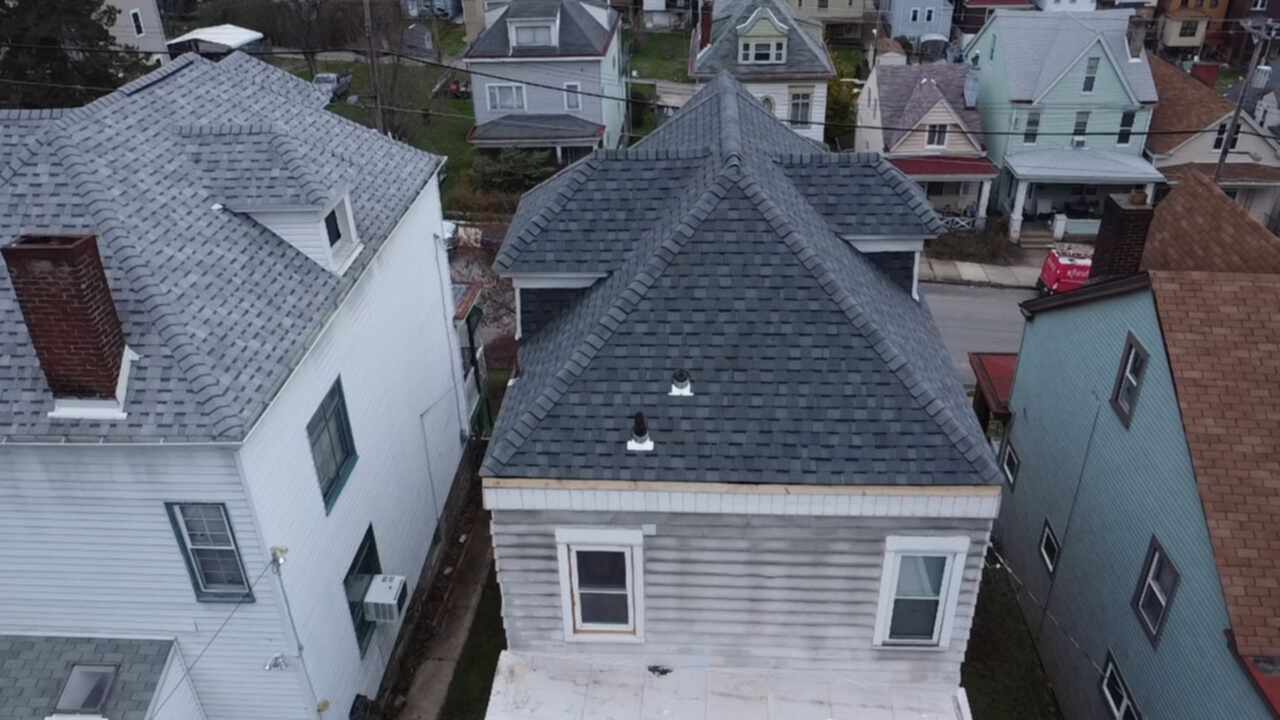
Storms are the number one reason homeowners file roof-related claims. High winds can tear shingles loose, hail can puncture roofing material, and fallen branches can crack the entire structure. When a sudden weather event causes the leak, your dwelling coverage typically pays for the homeowners policy roof repair minus your deductible.
Most policies also cover the interior damage that results from a covered leak. That includes ruined ceilings, soaked insulation, warped flooring, and damaged drywall. Some policies even provide “loss of use” coverage if the damage makes part of your home temporarily unlivable.
When Insurance Will Not Cover a Roof Leak

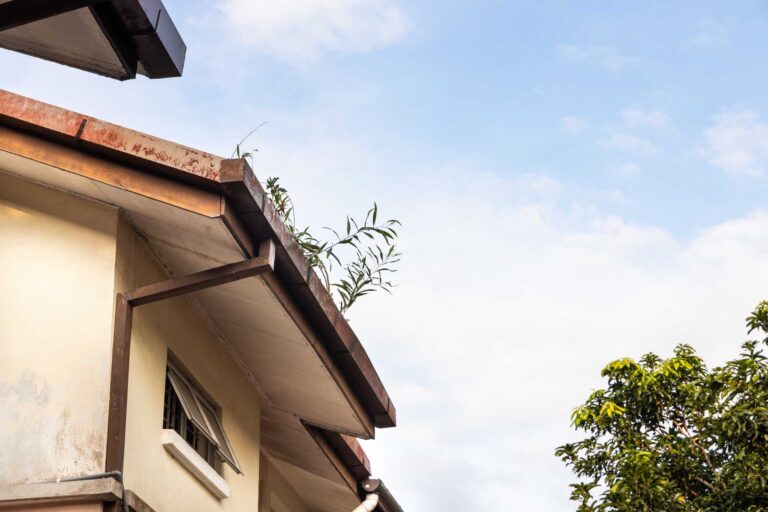
Here is the part no one wants to hear. If your roof is old, poorly maintained, or showing signs of gradual wear, your insurer is going to push back. Roof aging, neglected gutters, and slow rot are maintenance issues, not accidents.
Pest damage is another common exclusion. Squirrels chewing through roofing material will not trigger a payout on most policies. The same goes for mold that developed over months of unaddressed moisture. If you notice even a small issue, address it early to preserve your eligibility for future roof damage insurance claim situations.
What Is the Most Common Damage to Your Home That Insurance Does Not Cover?
Roof leaks from wear and tear rank high on the list, but they are not alone. Flooding from rising water, earthquakes, and sewer backups are almost never included in a standard homeowners policy. Many people are surprised to learn that flood damage requires a completely separate policy, often through the National Flood Insurance Program.
Termites and other pest infestations are another major exclusion. Insurers view these as preventable problems tied to maintenance. The same logic applies to gradual foundation settling and damage from renovation projects. Read your policy carefully so you are not blindsided when something goes wrong.
Does Homeowners Insurance Cover a Leaky Roof on an Older Home?
This is where things get tricky. Even when the damage is caused by a covered peril, the age of your roof plays a significant role in how much you receive. Many insurers use “actual cash value” rather than “replacement cost value” for older roofs. Actual cash value factors in depreciation, which means a 15-year-old roof will not receive the same payout as one installed three years ago.
Some carriers use depreciation sliding schedules, reducing your coverage progressively as the roof ages. If you are buying a home with an older roof or are nearing the end of your current roof’s expected lifespan, ask your agent about your coverage terms. Understanding whether your policy covers insurance cover roof leak scenarios at full replacement cost or depreciated value could save you thousands. For guidance on when a full replacement makes more sense than patching things up, check out Roof Replacement vs. Roof Repair in Pittsburgh: What You Need to Know.
What Not to Say to a Roof Insurance Adjuster
When the adjuster arrives, your words carry real weight. One of the biggest mistakes homeowners make is speculating about the cause of the damage. Saying something like “I knew those shingles needed replacing” gives the adjuster a reason to classify the damage as pre-existing. Stick to the facts: describe what happened, when it happened, and what you observed.
Avoid downplaying the damage too. Telling an adjuster “it is not that bad” can lead to a lower settlement. Stay calm, stay factual, and let your documentation speak for itself. If you are not confident navigating this process alone, consider having a trusted roofing professional present during the inspection.
Steps to Take When You Discover a Roof Leak
Speed matters. The moment you spot a leak, start documenting. Take photos and video of the damage from multiple angles, capturing both the source area on the roof and any interior damage below. Time-stamped evidence strengthens your roof damage insurance claim significantly.
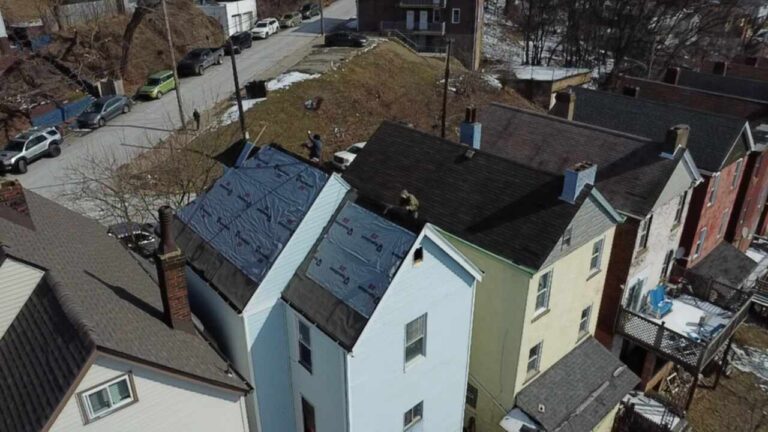
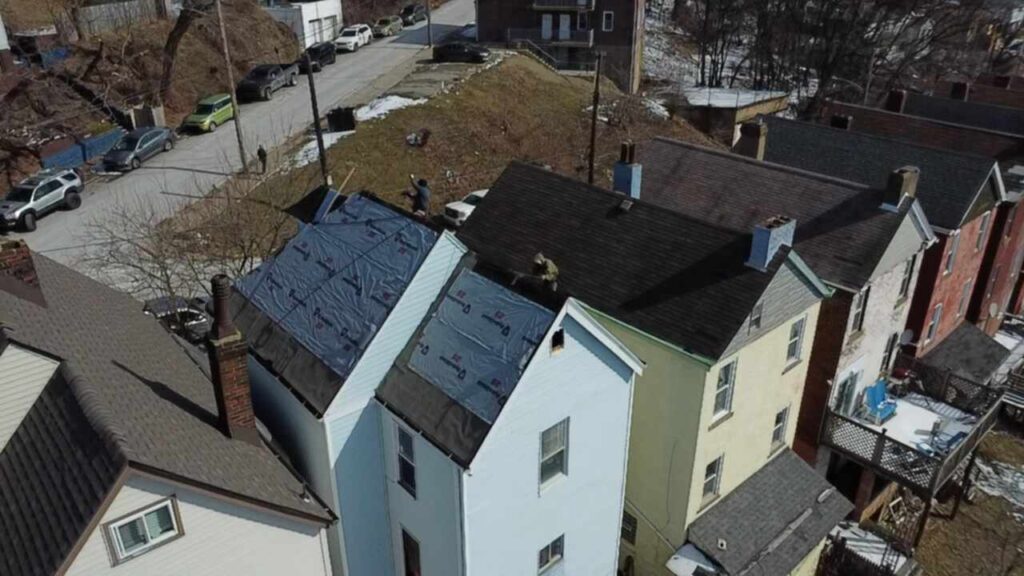
Next, take reasonable steps to prevent further damage. Place a tarp over the affected area and use buckets to catch water. Insurers expect you to mitigate the situation, and failing to do so can reduce your payout. Then contact your insurance company promptly and schedule an inspection with a licensed roofing contractor.

Covered vs. Non-Covered Roof Leak Scenarios
| Typically Covered | Typically Not Covered |
|---|---|
| Wind and hail damage to shingles | Gradual wear and tear over time |
| Fallen tree or large branch impact | Roof aging past expected lifespan |
| Fire or lightning damage | Pest or animal damage |
| Vandalism to roofing materials | Mold from long-term neglect |
| Weight of ice or snow causing collapse | Improper installation or faulty workmanship |
| Interior water damage from a covered peril | Flood or surface water intrusion |
Is Siding Replacement Covered by Home Insurance?
Since we are talking about exterior damage, siding comes up often. The rules are similar to roofing. If your siding is damaged by a covered peril like wind, hail, fire, or vandalism, your dwelling coverage will typically pay for repairs. However, wear and tear, sun fading, and gradual deterioration are your responsibility.
One wrinkle worth knowing: most policies only cover the sections actually damaged. That can leave you with mismatched siding. Some insurers offer a “matching undamaged siding” endorsement that covers replacing undamaged sections as well. According to Progressive, siding that has degraded over time from a lack of maintenance will not qualify for coverage.
How to Strengthen Your Roof Damage Insurance Claim
Preparation separates successful claims from denied ones. Keep a record of your roof’s maintenance history, including inspections, gutter cleanings, and past repairs. This paper trail demonstrates responsible homeownership, which removes one of the biggest reasons insurers deny claims.
Get a professional roof inspection at least twice a year and after any major storm. When it comes time to file a claim for insurance cover roof leak damage, solid documentation is invaluable. Compare the adjuster’s estimate with your contractor’s assessment, and do not be afraid to negotiate if the initial offer feels low.
Protecting Your Roof and Your Investment
The best insurance claim is the one you never have to file. Routine maintenance goes a long way. Keep your gutters clean, trim overhanging branches, and replace damaged shingles promptly. These small investments protect your home and ensure your coverage stays intact when you truly need it.
If you are dealing with roof damage right now, reach out to a qualified local contractor for an honest assessment. Understanding whether you need a quick fix or a full homeowners policy roof repair plan is the first step toward protecting both your home and your wallet.