Drafty window repair makes sense when the frame and sash are still solid and the leak traces back to worn weatherstripping, dried out caulk or loose hardware. Replacement makes sense when the frame is rotted or warped, the sash no longer closes square, or moisture has fogged the space between the panes. Repair buys you a few more winters. Replacement buys you decades.
That’s the short version. The longer version matters, because most homeowners have already made up their minds before an estimator walks through the door. Some are convinced a tube of caulk will rescue a window that has been failing for years. Others want to replace every window when only a few need new sash balances. The truth almost always sits between those two positions, and it’s the question we answer on every estimate for window replacement in Pittsburgh.
What a Drafty Window Is Really Costing You
Air leaks are not just a comfort problem. They’re a budget problem. Every bit of warm air that slips out around a sash is air your furnace already paid to heat, and in a region where the heating season stretches from October into April, that adds up month after month.
It matters here for a simple reason: so much of Pittsburgh’s housing is old. Brick homes from the early 1900s are beautiful, and many still have original wood windows or tired replacements from decades ago. Those windows were never built to the standard of a modern sealed unit, and the gaps only grow as the house settles.
How to Check If Windows Are Drafty
You don’t need equipment to start. On a cold, windy day, run the back of your hand slowly around the edge of each window: the meeting rail first, then the sides, then the sill. Cold air moves. You’ll feel it before you see it.
Then try the paper test. Close the window on a sheet of paper and pull. If it slides out with no resistance, the sash isn’t pressing against the weatherstripping anymore. That single test tells you more than most people expect.
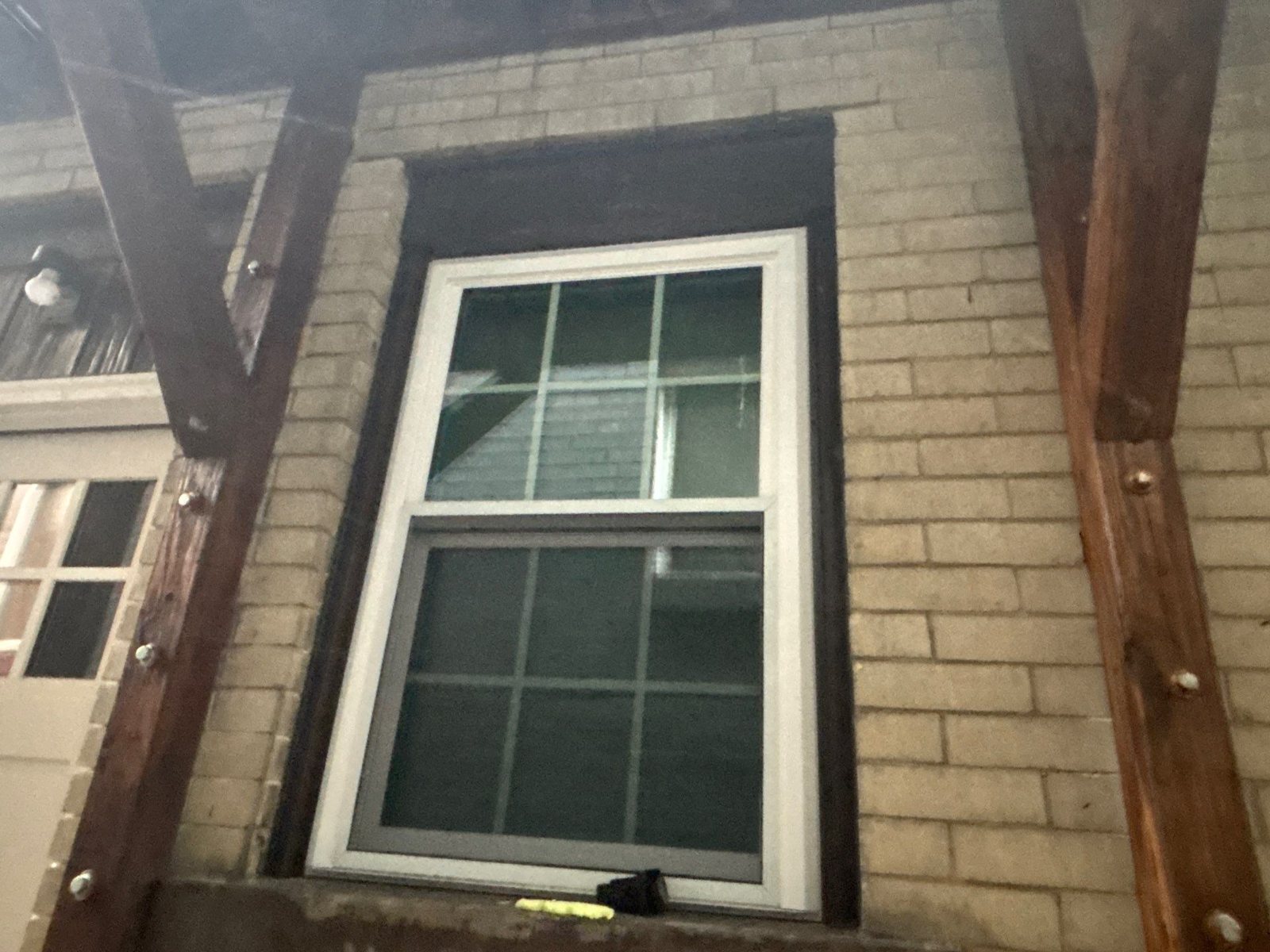
A new white double hung window with grids set in a light brick wall under a porch. Alan Construction job, Pittsburgh.
A few more checks worth ten minutes of your time:
- The flashlight test. After dark, have someone shine a light along the window from outside while you watch from inside. Visible light means visible gaps.
- The rattle test. A sash that shakes when you tap it isn’t sealing.
- The incense test. Hold a lit incense stick near the frame on a windy day with the bath and kitchen fans running. If the smoke wavers or gets pulled sideways, air is leaking.
- The fog test. Condensation trapped between two panes means the glass seal has failed. You cannot fix that with caulk.
Is There a Tool to Detect Drafts?
Yes. An inexpensive infrared thermometer pointed at the center of the glass, then at the frame edges, shows you the temperature difference. On a cold night, sound double pane glass reads noticeably warmer than an old single pane sash, and a frame edge that reads much colder than the glass beside it is usually a leak.
For a more complete picture, a thermal imaging camera shows cold air washing down the wall as dark streaks. Energy auditors go further with a blower door test, which depressurizes the house so every leak can be found and measured. If you’d rather start on your own, ENERGY STAR’s do it yourself guide to locating air leaks walks through the process with no special equipment.
Repair or Replace: The Three Question Test
Here’s the framework we use on every estimate. It comes down to three questions: is the frame sound, is the glass sealed, and does the sash still operate the way it was built to? If all three are yes, repair it. If two of three are no, replace it.
| What you’re seeing | Usually a repair | Usually a replacement |
|---|---|---|
| Cracked or missing caulk at the trim | Yes | |
| Flattened, brittle weatherstripping | Yes | |
| Sash won’t stay up (broken balance) | Yes | |
| Loose or misaligned lock hardware | Yes | |
| Fog or moisture between the panes | Yes | |
| Soft, spongy or rotted wood frame | Yes | |
| Sash no longer sits square in the opening | Yes | |
| Single pane glass behind storm windows | Yes | |
| Daylight showing through the frame itself | Yes |
One caveat. A single bad window in an otherwise healthy house is a repair. Nine bad windows in a house built in the 1930s is a replacement project, even if a few of them could technically be patched. Repairing piecemeal on a failing set of windows is how people spend money every fall for years and still feel cold.
Drafty Window Repair: Fixes You Can Do Yourself
Start with the cheapest fixes and work up. Replace the weatherstripping: adhesive backed V seal or foam tape is inexpensive and takes a few minutes per window. Recaulk the exterior trim with a quality exterior sealant, not interior painter’s caulk, which isn’t made to handle sun and freeze thaw cycles.
Next, check the sash lock. A window lock isn’t only a security device; it pulls the two sashes tight against each other. A surprising number of drafty windows are simply not being locked. Tighten or replace loose hardware and the draft often disappears.
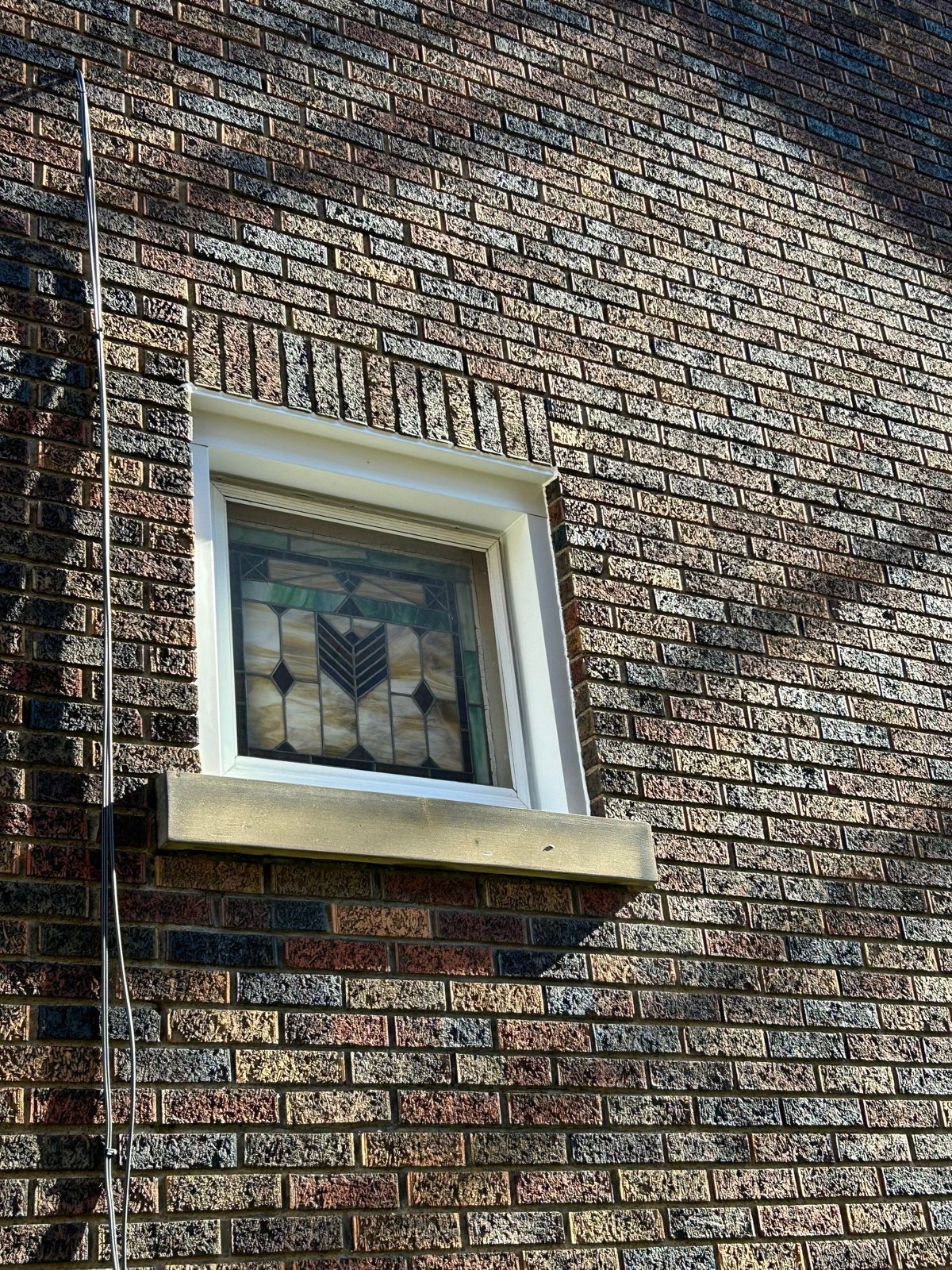
White trim wrapped around a stained glass window above a stone sill in a brick wall. Alan Construction job, Pittsburgh.
For older double hung windows, reglazing loose panes and replacing worn sash balances can restore real function. And if you’ve got a window you barely use, rope caulk or a seasonal plastic film kit will get you through winter for very little money.
How to Stop Cold Air Coming Through Windows
There’s a difference between air leaking in and cold radiating off the glass. If the glass itself is cold, you’re feeling radiant heat loss, and weatherstripping won’t touch it. Cellular shades help more than most people expect. Heavy curtains hung close to the wall and long to the floor trap the cold air behind them.
For a quick fix, shrink film window kits are unglamorous and genuinely effective, because the trapped air layer does the work. It’s a bandage, not a cure, but bandages count in February.
When to Replace Drafty Windows
Replace when the repairs stop holding. That’s the honest trigger. If you recaulked last fall and the draft returned by January, the leak isn’t in the caulk. It’s in a frame that has moved.
Other clear signals: fogged glass, wood you can push a screwdriver into, sashes that need to be forced, or a heating bill that keeps climbing while your thermostat stays put. Age matters too. A window installed in the early 1990s has been through more than thirty Pittsburgh winters, and if its seals are failing it is near the end.
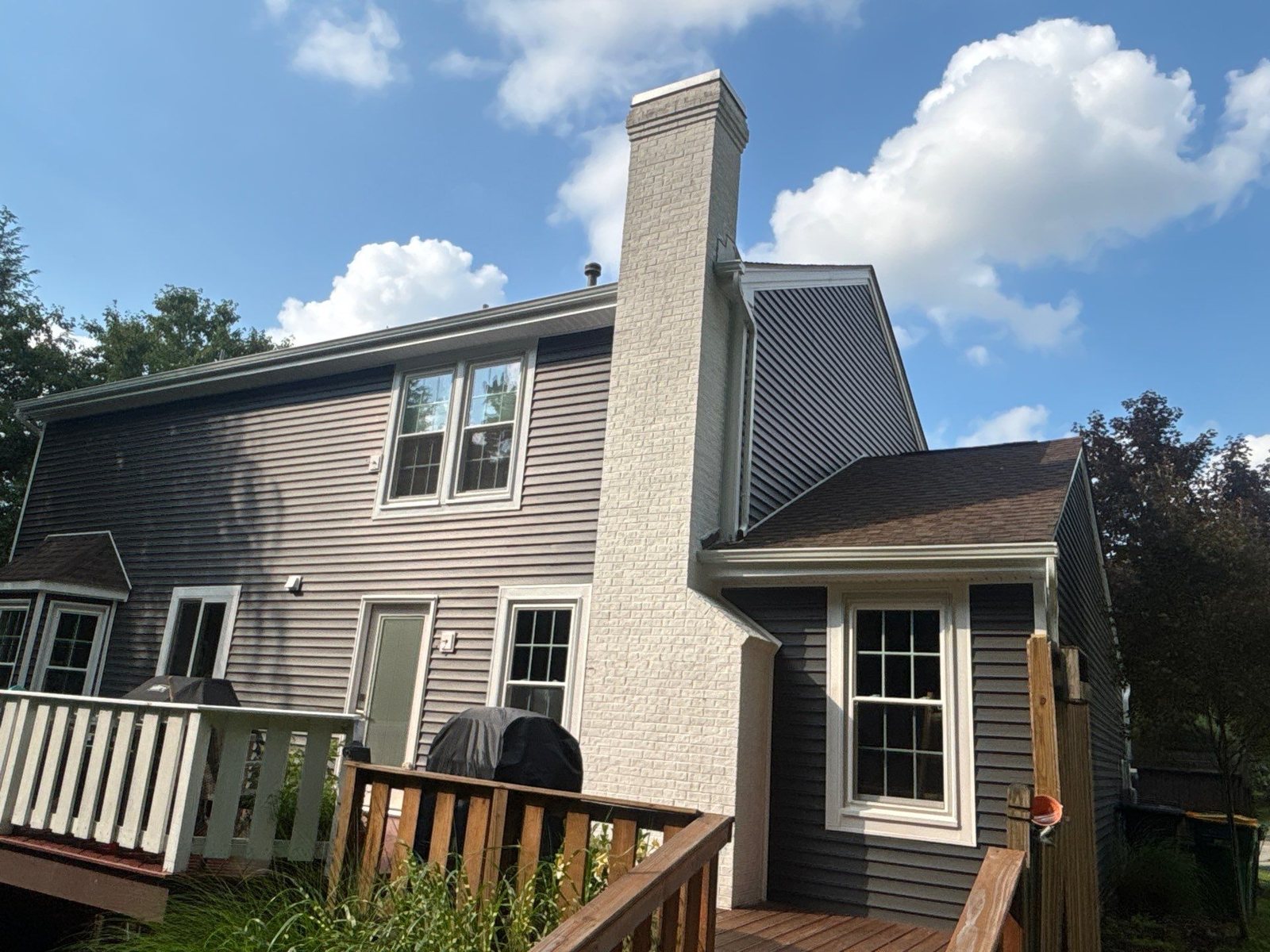
The back of a home with gray vinyl siding, white trimmed windows and a white chimney. Alan Construction job, Pittsburgh.
If you’re weighing options, today’s energy efficient windows with low E coatings and gas filled sealed glass perform in a different league than what was sold thirty years ago. The ENERGY STAR window ratings are a neutral way to compare them.
What Is the Best Time of Year to Replace Windows?
Late fall through winter is often the easiest time to get on an installer’s schedule, because the busy exterior season has wound down. A good crew replaces one opening at a time, so the house is only open briefly at each window, and winter installs are common. Ask any contractor how they handle cold weather days before you book.
One thing changed for 2026 that homeowners should know: the federal Energy Efficient Home Improvement Credit, known as 25C, only covered improvements made through December 31, 2025, per the IRS. It no longer applies to windows installed this year. Manufacturer and utility programs change often, so ask about them before you sign. We also offer financing options if you’d rather spread out the cost.
Getting a Straight Answer About Your Own Windows
The fastest way to settle the repair or replace question is to have someone measure, not guess. A good estimator should check frame condition, sash operation, glass seals and the surrounding trim on every opening, and should be willing to tell you which windows don’t need work.
If a contractor recommends replacing all of them without inspecting each one, get a second opinion. Our list of questions to ask a window contractor helps you run that conversation.
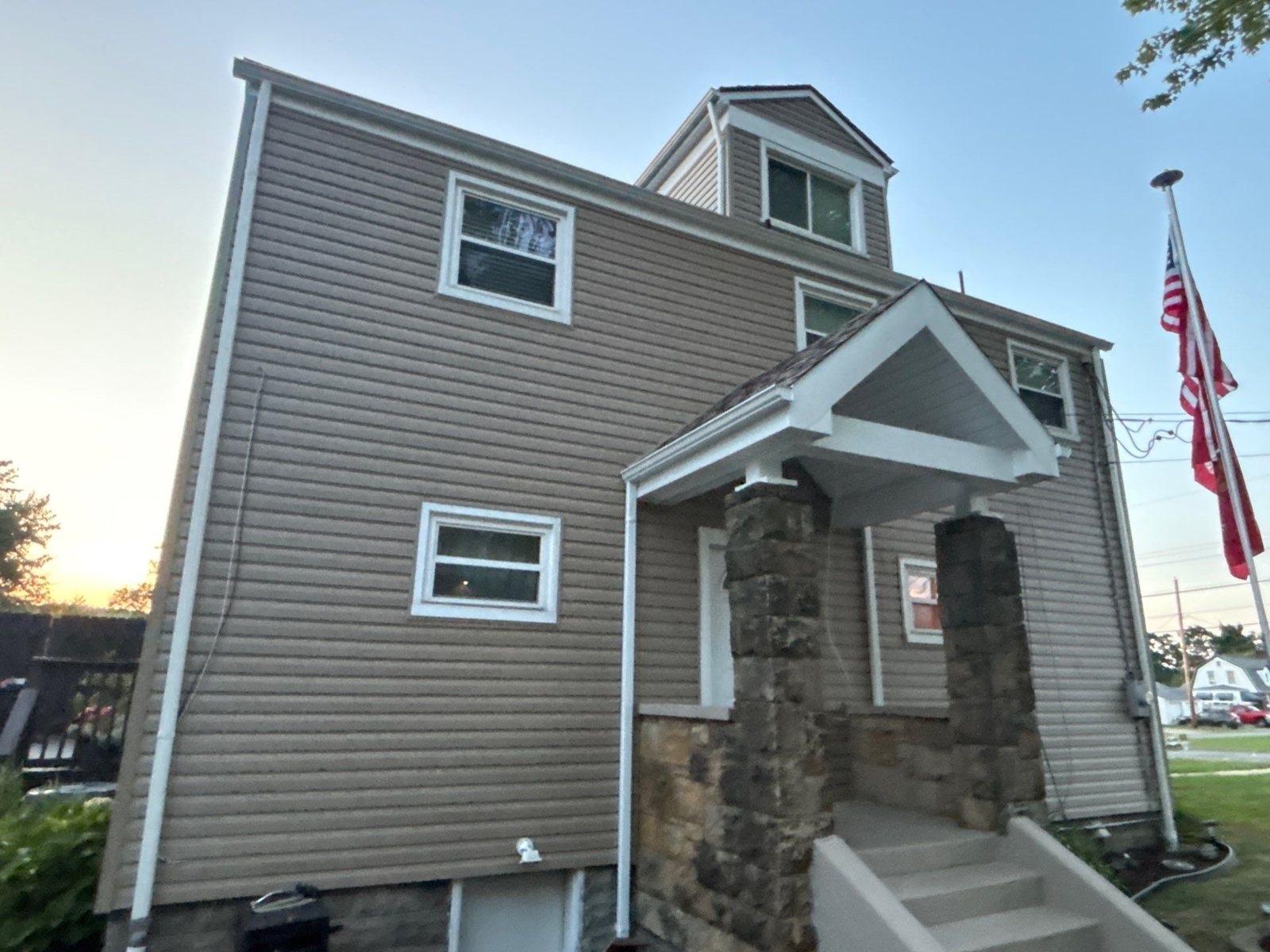
A two story home with new tan vinyl siding and white trimmed windows. Alan Construction job, Carnegie.
If traffic noise is part of what bothers you about your old windows, the same upgrade can help there too. We cover that in whether new windows reduce traffic noise.
Not sure whether your windows need repair or replacement? Request a free, no obligation estimate and we’ll check every opening and tell you which ones can wait.