Water damage from gutters usually shows up in three places: pooling and erosion at the foundation, stains and soft wood on the fascia and siding, and sagging or overflowing runs at the roofline. If you see trouble in more than one of those zones, your gutters are probably sending water where it does not belong.
Water rarely announces itself. It sneaks. By the time a homeowner calls us about a musty basement or a stained wall, the real culprit has often been failing for months up along the roofline. As a company that handles gutter installation in Pittsburgh along with roofing, soffit and fascia, we see the same trail again and again. Learning to read it costs nothing but a slow lap around the house. You do not need a ladder, just a sense of where to look and what the clues mean.
Why Your Gutters Do More Than You Think
Most people see gutters as trim, a tidy line under the roof. In reality they are a drainage system that earns its keep in every storm. Their job is to catch the water rolling off the roof and carry it well away from your foundation, releasing it several feet from the house.
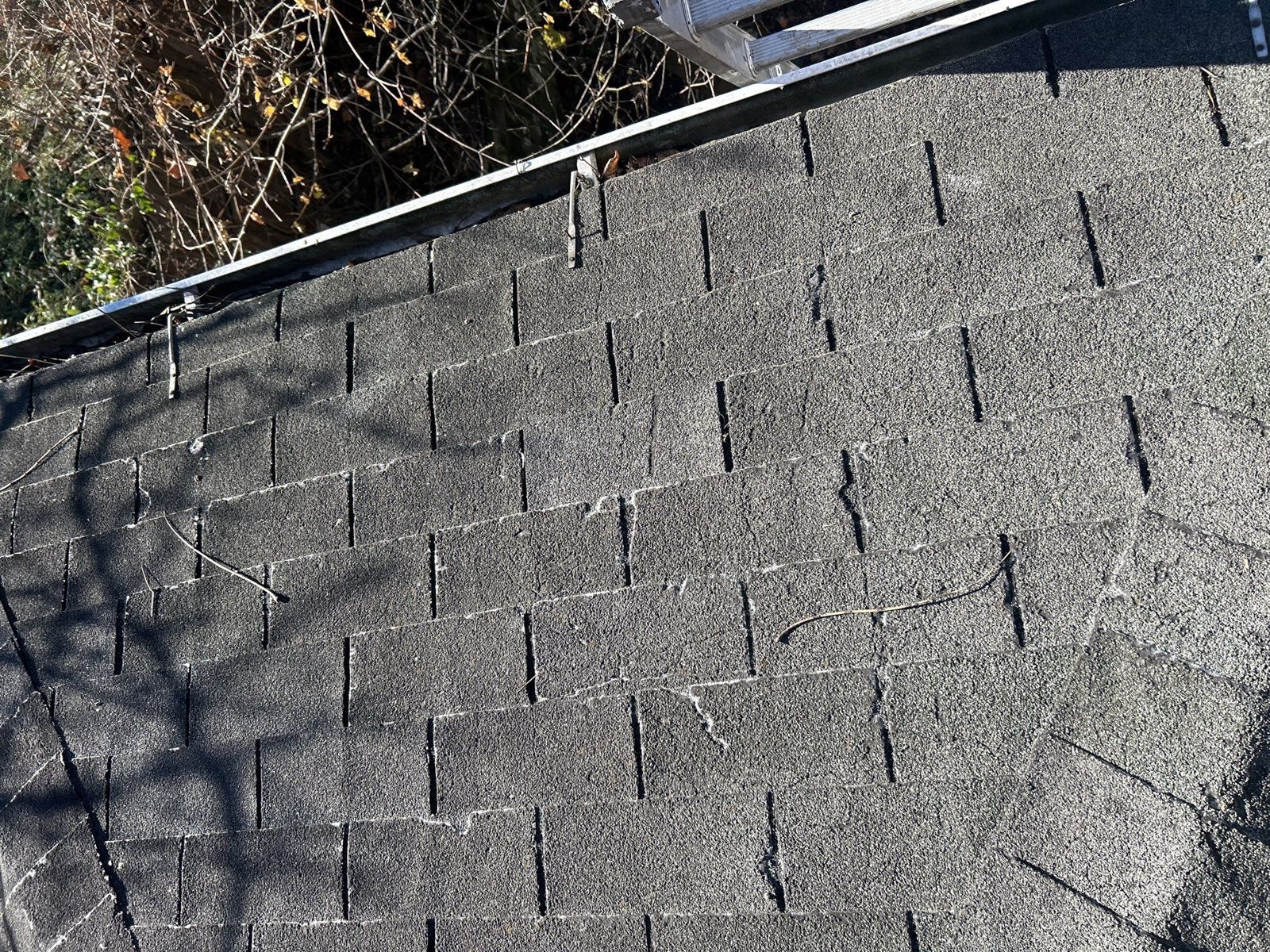
Every drop that hits the roof slides down to this edge. When the gutter is clear, straight and tight to the fascia, you forget it exists.
When it clogs, sags or pulls loose, that water goes exactly where you never want it: down your siding, into the soil and up against your foundation walls. The hangers you see here carry all of that weight, so a loose one is worth fixing early.
Shingles running down to the gutter at the eave, with the gutter hangers visible, Pittsburgh. Alan Construction.
Water is also heavy. A gallon weighs a little over eight pounds, so a trough packed with wet leaves and standing water can carry a surprising load. That strain bends the metal, loosens the fasteners and slowly peels the run away from the fascia board. Once the pull away starts, water stops flowing where it should and the damage quietly begins.
Signs of Water Damage From Gutters, Zone by Zone
The signs sort neatly into three zones, and we check them in the same order every time: the ground, then the walls, then the roofline. Walk it slowly after a storm. The clues are almost always in plain view.
Start at the ground and foundation
Begin down low, where repairs cost the most. Standing water against the foundation after a storm is the most alarming sign, because trapped moisture can seep into a basement or crawl space and bring mold and structural trouble with it. Look for:
- Mulch that keeps washing out of the beds under the roofline
- Small gullies carved into the soil below the gutters
- Hairline cracks spreading across a patio, walk or driveway near a downspout
- Downspouts that dump water right at the wall instead of several feet out
When the ground stays soaked it shifts, and the concrete resting on it cracks in response. A downspout that empties two feet from a slab is a small fix that prevents years of slow damage.
Check the siding, soffits and fascia
Next, bring your eyes up to the wall. The fascia board sits directly behind your gutters, and it tells the truth quickly. If that wood looks swollen, stained or spongy, water has been spilling over the back edge instead of running through the trough.
Peeling paint, dark vertical streaks and rust stains running down the siding are quiet confessions that water is missing the system. Soffits with brown blotches or a faint sag are another tell. None of it repairs itself.
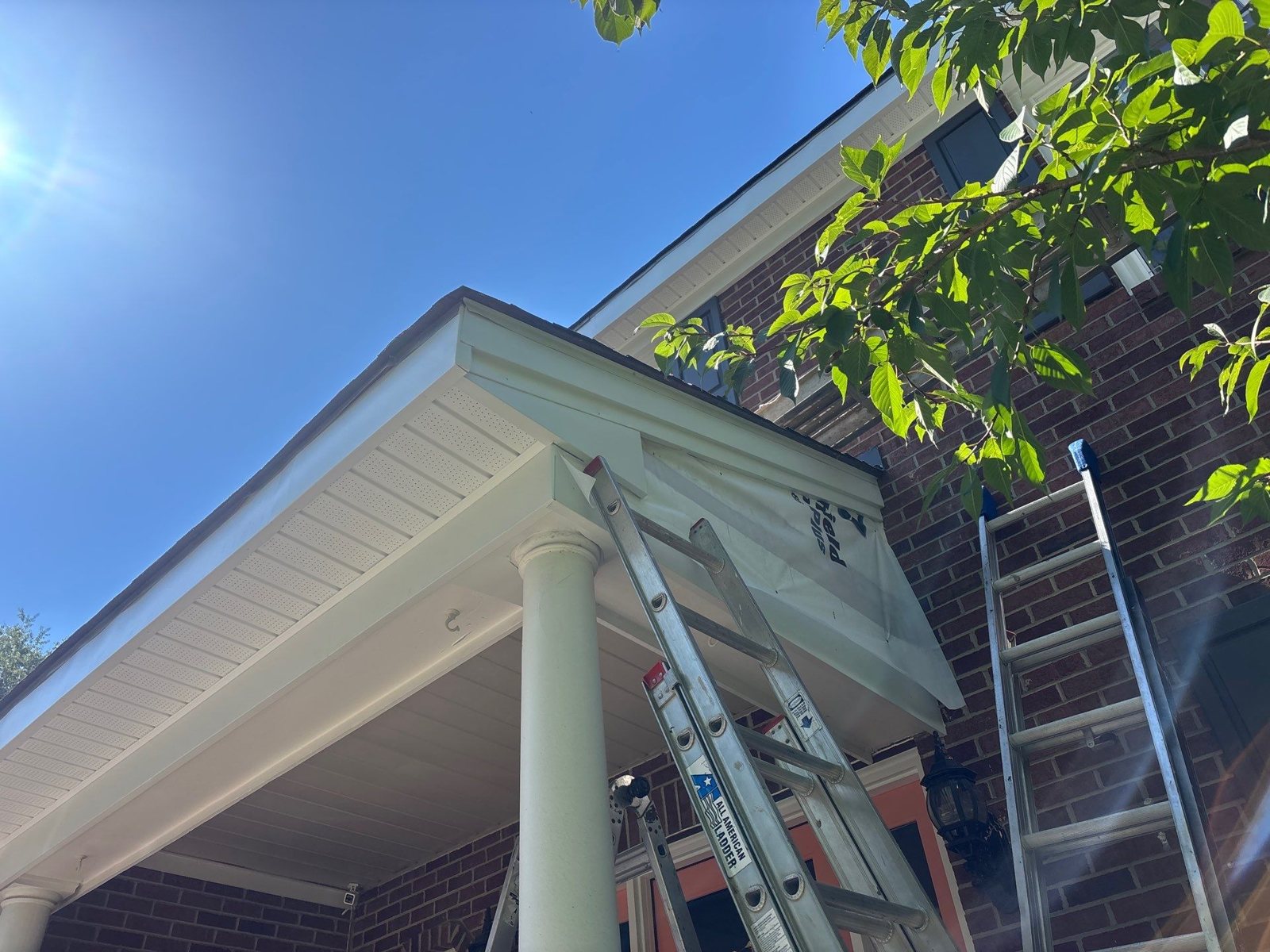
New white soffit and porch trim on a brick home in Pittsburgh, ladders still up. Alan Construction.
Look up at the gutters and roofline
Finally, step back into the yard and study the roofline itself. Gutters that dip in the middle or lean away from the house have lost their slope and are carrying more than they can handle. Wait for a rainy day and watch from a dry spot: if water sheets over the outer lip like a small waterfall, something downstream is clogged. If you can see daylight between the gutter and the roof edge, water is bypassing the channel and running down your wall. Our guide on how to tell if your gutters are pulling away from the roofline goes deeper on that one.
A Quick Reference for Your Walk Around
Here is the cheat sheet we run through on every inspection. Keep it in mind the next time a storm rolls through.
| Where to look | Warning sign | What it usually means |
|---|---|---|
| Foundation and yard | Pooling water, washed out mulch, cracked concrete | Runoff is landing at the base of the house |
| Siding and fascia | Stains, peeling paint, soft or rotting wood | Water is spilling behind or over the gutter |
| Roofline and gutters | Sagging runs, overflow, visible daylight | Clogs or poor alignment are diverting water |
| Basement or crawl space | Damp smell, moisture, mold | Water has already reached the interior |
The Real Cost of Waiting
It is tempting to shrug off a little overflow. The trouble is that these problems compound. A small clog becomes an overflow, the overflow saturates the soil, the soil pushes against the foundation, and a simple cleaning turns into a foundation or interior repair.
The good news is that early signs are easy to spot and cheap to fix. A ten minute walk after a storm, a few times a year, catches most issues long before they reach your basement.
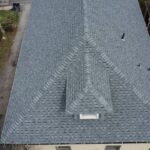
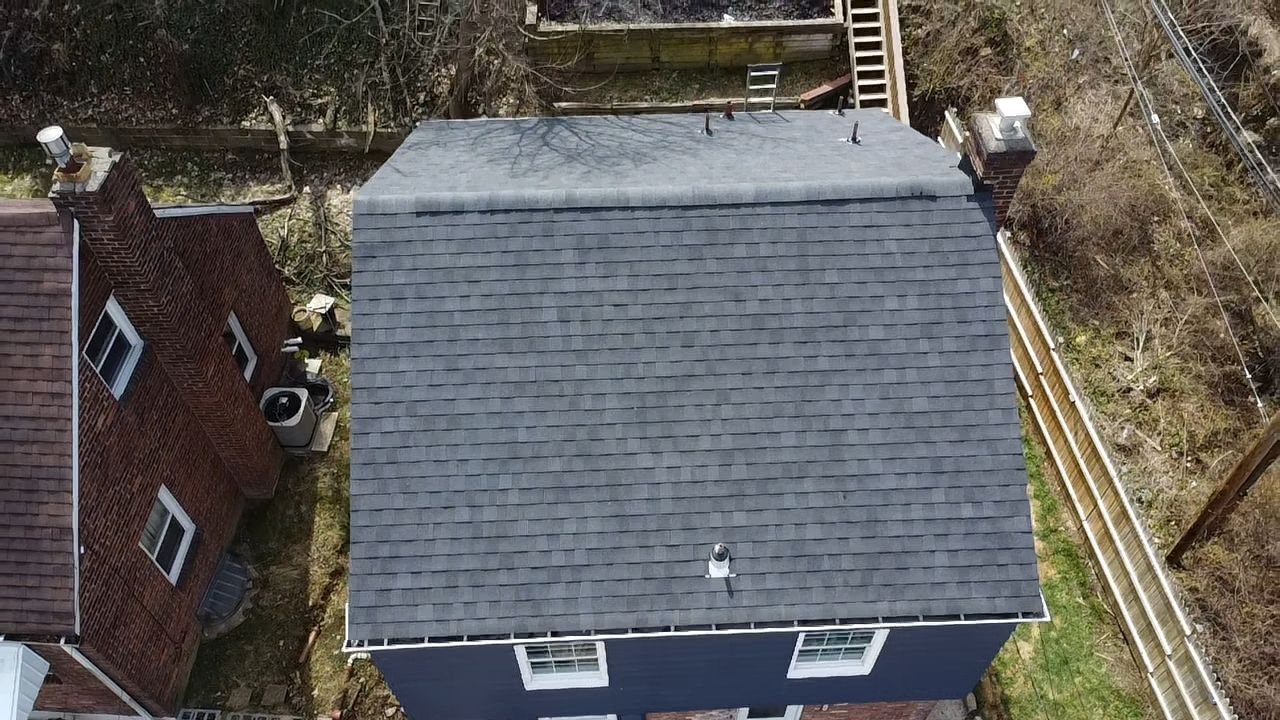
Drone view of a new gray gable roof on a blue house in Pittsburgh, with the eave edge running along the front. Alan Construction.
What to Do When You Spot the Signs
Start simple. Most trouble begins with a clog, so a thorough cleaning of leaves, twigs and matted debris, followed by a downspout flush with the garden hose, solves more than people expect. Our Pittsburgh gutter cleaning guide lays out a season by season routine.
If water still spills over after a cleaning, or the fascia already feels soft, cleaning alone will not rescue it. That is the moment to bring in a trained set of eyes. An experienced crew can tell within minutes whether you are looking at a simple repair, a realignment, new fascia or a full gutter replacement.
Trust your instincts about scale, too. If you see trouble in more than one of the three zones, the system is probably past a quick patch.
Why Pittsburgh Homeowners Call Alan Construction
Pittsburgh weather is hard on drainage. Freeze and thaw cycles warp metal and pop fasteners, fall leaf drop clogs everything, and sudden summer downpours test every seam at once. Older housing stock rarely makes it easier.
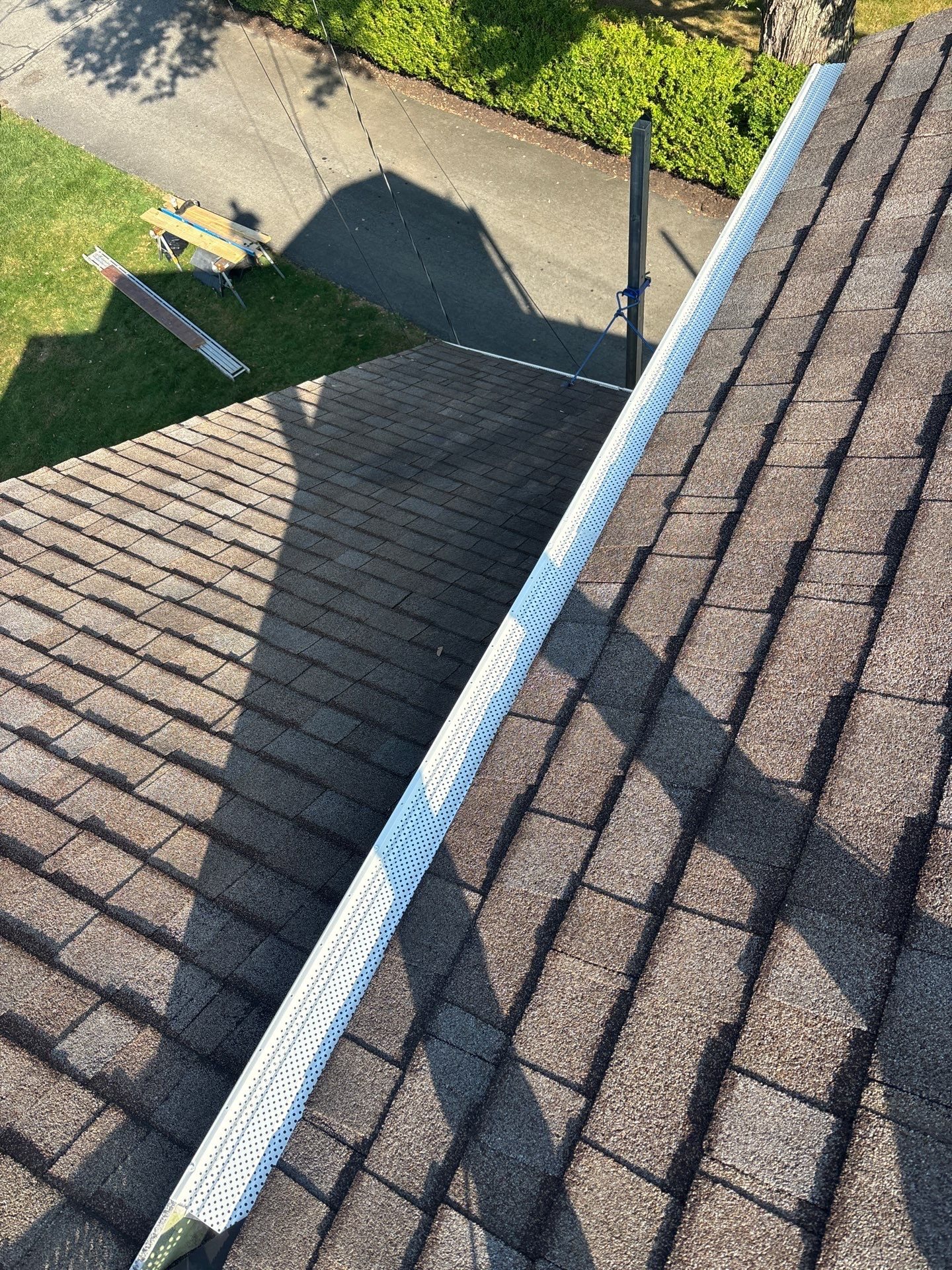
We show you the fascia, explain plainly what we see, and do not push a full overhaul when a cleaning and a few new hangers will do. When a repair will not hold, we tell you that too. Under heavy trees, a guard like this one cuts down on the clogs that start the whole chain.
New white gutter with a guard running along a shingle roof edge in Carnegie. Alan Construction.
Seeing stains, soft fascia or water at the foundation? Book a free estimate with Alan Construction and we will check your gutters, fascia and roof edge together.