Every fall, I get some version of the same phone call. A homeowner in Mount Lebanon or Regent Square looks up at their roof after the first hard freeze and realizes the project they’ve been putting off can’t wait another winter. I understand the feeling completely. Figuring out where to begin with your home’s exterior is often the hardest part, because everything seems urgent at once.
Here’s the honest advice I give every client: the smartest exterior remodeling projects start with protection, not paint. If you’re remodeling your home exterior, here’s where Pittsburgh homeowners should start — by understanding what your house actually needs before you fall in love with a color palette or a shiny new front door.
In What Order Should You Renovate the Exterior of a House?
Think of your home as a system, not a stack of surfaces. In Western Pennsylvania, water is the enemy, and it always finds a way in if you give it a path. So the sequence matters. You work from the top down and from the structure outward, tackling the parts that keep moisture out before the parts that simply look nice.
Start With the Roof and Gutters
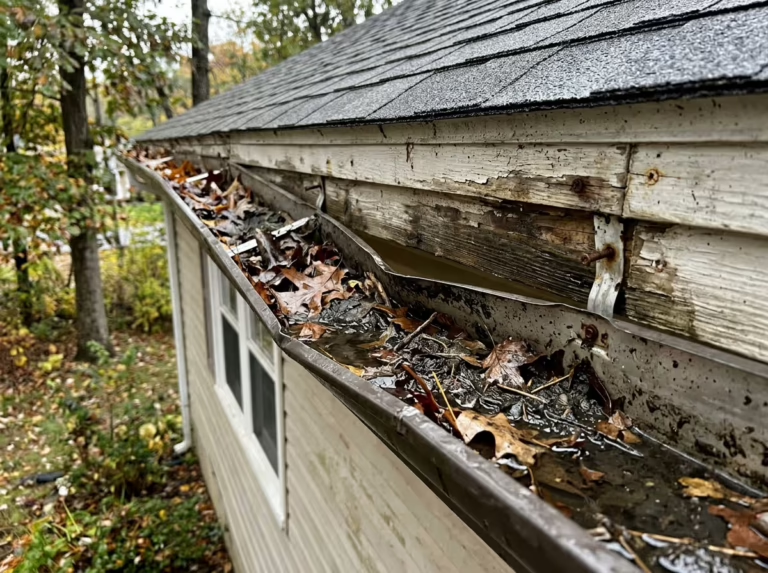
Your roof and gutters are the first line of defense, and if either is failing, every dollar you spend below them is at risk. I once watched a gorgeous new siding job get torn off two years early, all because the homeowner had skipped a small gutter repair and let water run behind the wall. Fix your drainage and roof first. Then move down the house with confidence.
Then Siding, Windows, and Doors
Once the top is sound, address siding, windows, and doors. These seal the envelope and stop the drafts that quietly inflate your heating bills all winter. Only after the house is weather-tight should you spend real money on decks, walkways, landscaping, and the finishing touches that earn compliments from the neighbors.
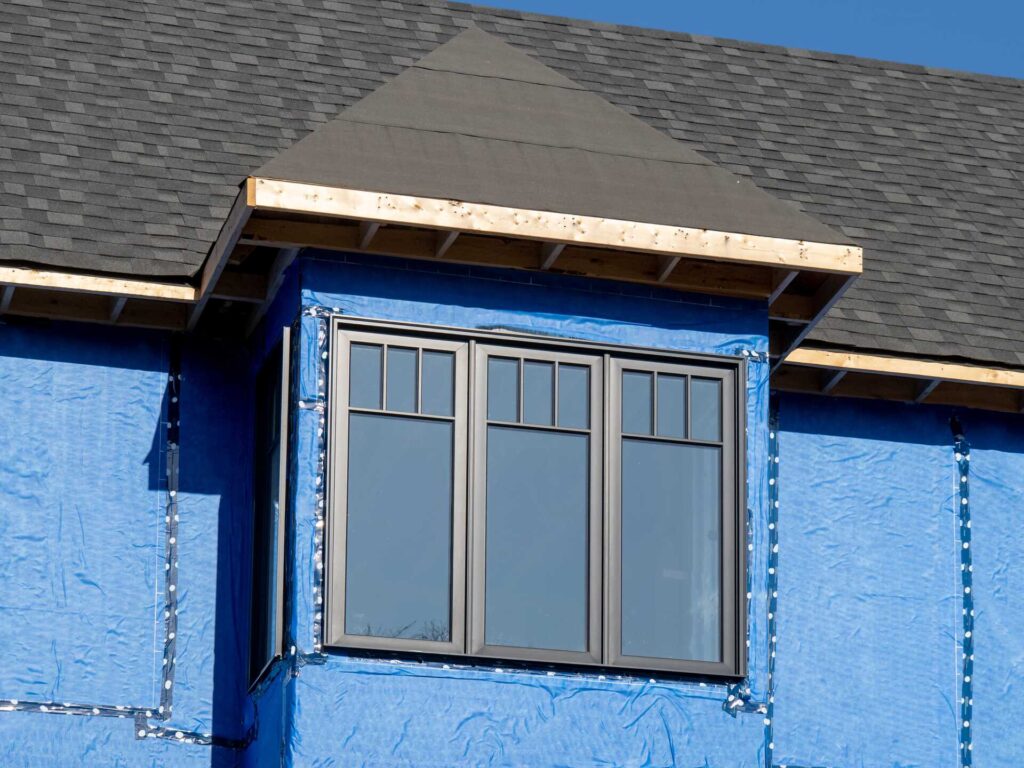
How Much Does It Cost to Remodel the Exterior of a House?
How Much Does It Cost to Remodel the Exterior of a House?
Costs swing widely based on your home’s size, its age, and the materials you choose. Older Pittsburgh homes — and we have plenty built between 1920 and 1970 — love to hide surprises like rotted sheathing or dated framing once the work begins. I always tell clients to build in a cushion, because with an older home, the unexpected is nearly guaranteed.
Here are the projects that typically drive an exterior remodel budget:
- Asphalt shingle roof
- Fiber cement or vinyl siding
- Replacement windows
- Wood or composite deck
- Concrete walkway or driveway
One quick tip from the field: get at least three written estimates, and read past the bottom-line number. The cheapest bid often skips the underlayment, flashing, or tear-off details that matter most in our climate. Whole projects rarely wrap up in a single week, either. A window swap might take a few days, while a full siding replacement with permitting and custom orders can stretch across two to three months from your first consultation to the final walkthrough. Patience early saves frustration later.
What Is the 30% Rule in Remodeling?
The 30% rule is a simple budgeting guardrail. Try not to spend more than 30 percent of your home’s current market value on renovations. On a $300,000 home, that puts your ceiling around $90,000 across all your projects. It isn’t a law — it’s a way to protect yourself from over-improving, which means pouring more into your house than your neighborhood will ever pay back at resale.
I like the rule because it forces you to prioritize. When you cap the number, you naturally lead with the projects that protect the home and lift curb appeal. If your wish list blows past that ceiling, phase the work across a couple of seasons instead of stretching a tight budget until it snaps.
Permits and Historic Districts: Don’t Skip This Step
This is the step homeowners love to ignore, and it’s the one that derails timelines fastest. In Allegheny County, permitting rules shift from borough to borough — what flies in the City of Pittsburgh may not fly in Fox Chapel. Structural changes and major exterior updates almost always require a permit and an inspection before you begin.
If your property sits in a historic district such as the Mexican War Streets or parts of Sewickley, you’ll also need approval from a local architectural review board before you order a single board of siding. Confirm the rules first, always. A seasoned remodeling contractor handles this legwork for you, so you never get caught mid-project by a stop-work order taped to your door.
Materials Built for Pittsburgh’s Freeze-Thaw Winters
Our freeze-thaw cycles are brutal on the wrong materials. Water seeps into wood and concrete, freezes overnight, expands, and cracks things apart — over and over, all winter long. That’s why material choice is really a durability decision first and an aesthetic one second.
I’ve seen too many beautiful wood decks warp and splinter after just a handful of Pittsburgh winters, and the repair bill usually erases the money the homeowner saved by going cheap. For decks, composite boards cost more upfront than pressure-treated wood, but they never need staining or sealing to survive our winters. For siding, fiber cement shrugs off rot and moisture far better than traditional wood ever will. And for concrete, ask your contractor about quality sealants and a broom finish that keeps a walkway from turning into a January skating rink. Smart home improvement choices here quietly save you thousands in repairs down the road.
What Makes a House Exterior Look Expensive?
Expensive-looking exteriors rarely come from the priciest materials. They come from cohesion. A tight, consistent color palette, clean trim lines, and finishes that match across siding, windows, and doors read as intentional and high-end, even on a modest budget.
The national Cost vs. Value Report backs this up year after year: exterior projects like a new garage door, a steel entry door, and stone veneer accents deliver some of the highest returns of any remodel, often recouping well over what they cost. Small, coordinated upgrades — better symmetry, quality hardware, one standout feature like a stone-veneer entry — do far more for perceived value than a single flashy splurge.
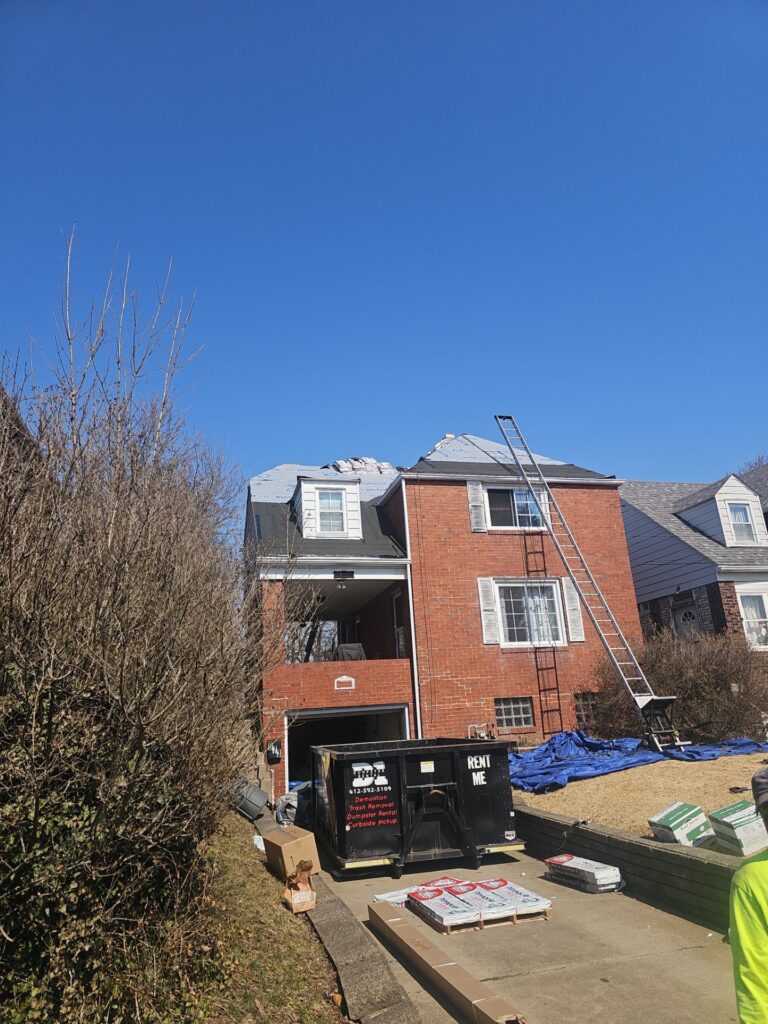
Remodeling Your Home Exterior? Here’s Where Pittsburgh Homeowners Should Start
So let’s pull it all together. Start with your building envelope. Set a realistic budget anchored to your home’s value. Confirm your local permits. Then choose materials that can genuinely take a Pittsburgh winter. That sequence protects your investment and keeps the fun, cosmetic decisions from being ruined by a problem you skipped.
If you remember one thing, remember this: the exterior work that looks the best is always built on a house that’s already dry and structurally sound. Get the order right, and everything after it goes smoother, cheaper, and with far fewer headaches.
Choosing the Right Remodeling Contractor in Pittsburgh
Here’s where I’ll be direct. The contractor you choose matters more than any single material on your list. A crew that truly understands Allegheny County permitting, our freeze-thaw climate, and the quirks of century-old Pittsburgh homes will save you money and stress that a cheaper bid never could.
That’s why I point homeowners toward Alan Construction. Their team knows this region cold, communicates clearly from the first estimate through the final cleanup, and treats your home like it’s their own. If you want to know what a smooth project actually feels like, read What to Expect When Working with a General Contractor in Pittsburgh before you sign anything. Do the homework now, and your exterior will be something you’re proud of for decades.