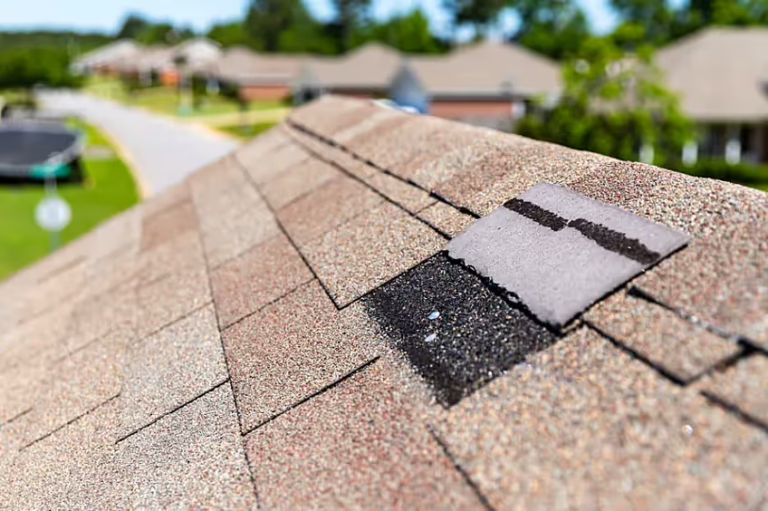
When your roof starts showing its age or a storm leaves you with missing shingles, the next decision matters more than most homeowners realize. Do you call a general contractor who handles a bit of everything, or do you go straight to a roofing specialist? I’ve seen plenty of folks default to the GC they used for their kitchen remodel, only to wonder later why their warranty feels thin and their roof looks rushed. The truth is, the right choice depends on the scope of your project, but for most roof-focused jobs, the answer leans heavily one way.
Let’s break it down so you can make a confident call without second-guessing yourself.
Understanding the General Contractor vs Roofer Debate
A general contractor is a project manager at heart. They coordinate trades, pull permits, and oversee large-scale builds. A specialist roofer, on the other hand, lives and breathes roofing every single day. That difference shows up in the finished product.
The general contractor vs roofer conversation really comes down to depth versus breadth. GCs are excellent for projects with multiple moving parts, like home additions or full renovations. But when the job is purely about your roof, hiring a roofing contractor directly almost always gives you a sharper outcome.
Should You Hire a General Contractor or Specialist Roofer for Repairs?
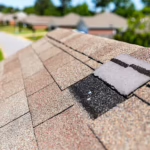
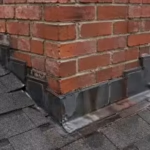
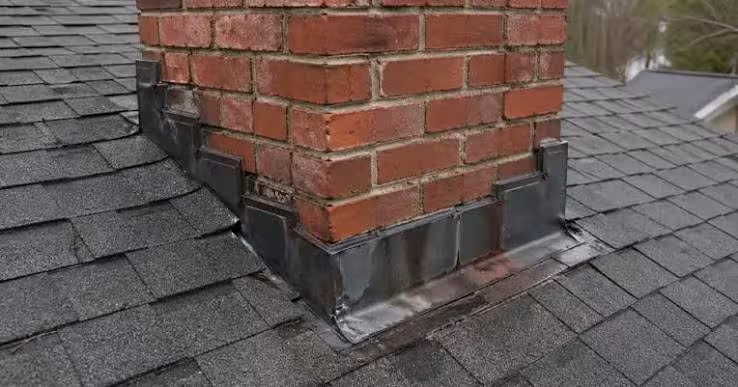
For repairs, the answer is simple. Go specialist. A leak, a damaged flashing, or a few missing shingles aren’t problems that benefit from a middleman. Roofers diagnose issues faster because they’ve seen them hundreds of times.
I’ll add this. General contractors typically subcontract roof repairs to roofers anyway, then add a markup. So you’re paying more for the same crew you could’ve hired yourself. Skip the layer and save the money.
Roofing Specialist Benefits You Shouldn’t Overlook
There are real, tangible reasons specialists outperform GCs on roof-only work. The roofing specialist benefits stack up quickly once you start comparing.
Here’s a quick look:
| Factor | Specialist Roofer | General Contractor |
|---|---|---|
| Manufacturer Warranties | Usually stronger and direct | Often passed through subcontractor |
| Project Speed | Dedicated crews, faster turnaround | Coordinated around other trades |
| Roofing Insurance | Specific to roofing risks | General liability only |
| Cost | Direct pricing | Markup on subcontracted work |
| Specialized Knowledge | Daily expertise | Broad but shallower |
Specialists also tend to carry insurance built specifically around roofing risks, which matters when crews are working at height with heavy materials. That’s not something every GC’s policy covers in detail.
When a General Contractor Actually Makes Sense
I’m not anti-GC. Far from it. There’s a clear lane where general contractors shine, and pretending otherwise wouldn’t be honest.
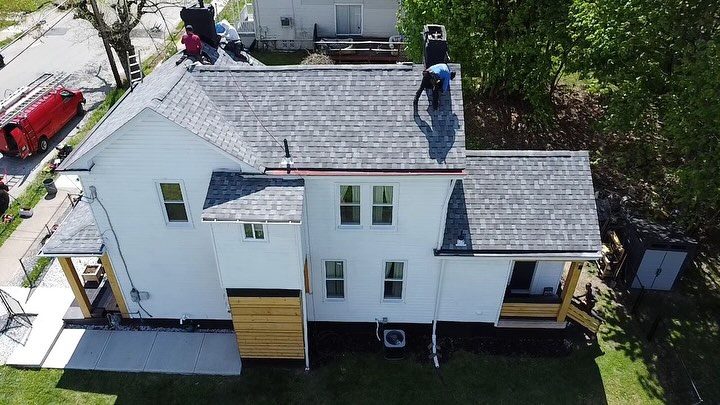
If your project involves roofing alongside new siding, window replacement, structural changes, or a full home addition, a general contractor earns their fee. They coordinate trades so nothing falls through the cracks. They handle permitting across categories. They keep the schedule moving when ten different things need to happen in the right order.
But if it’s just the roof? You’re paying for coordination you don’t actually need.
Should You Hire a General Contractor or Specialist Roofer Based on Cost?
Cost is where this question gets real for most homeowners. General contractors charge a management fee on top of whatever the roofing crew quotes. That fee can range significantly, but it’s almost always built into the final number you see.
When you hire a roofing company directly, you cut out that middle layer. The crew showing up at your house is the same crew the GC would’ve called anyway. So the question becomes: are you getting enough added value from the GC to justify the markup? On a roof-only job, usually not.
What Time of Year is the Cheapest to Replace a Roof?
Late fall and winter tend to be the most affordable seasons for roof replacement in most regions. Demand drops once the rush of summer projects ends, and roofing companies often have more flexibility on scheduling and pricing during slower months.
Spring and early summer are peak season. Everyone wants their roof done before the next storm cycle, which drives up demand and tightens crew availability. If your roof can safely wait, scheduling between November and February often nets better rates and faster availability.
That said, weather windows in colder climates can shorten install timelines, so flexibility on your end is key. A good contractor will be upfront about what’s realistic.
What Not to Say to a General Contractor
There are a few phrases that can quietly cost you money or weaken your position. Saying “money is no object” is the classic mistake. Even if you’re well-funded, that comment shifts how estimates get built.
Avoid telling a contractor you’re in a rush before you’ve gotten quotes. Urgency invites premium pricing. Don’t share what other contractors quoted you, either, because that becomes the floor instead of the ceiling. And never agree to changes verbally without getting them documented in writing.
Lastly, avoid saying “do whatever you think is best” without parameters. Trust matters, but so does clarity. Good contractors appreciate clients who ask thoughtful questions.
How Not to Get Ripped Off by a Contractor
Protecting yourself starts before the first hammer swings. Ask for proof of insurance and licensing in writing, not just verbally. Verify the license number with your state or local licensing board. Read every line of the contract, especially the payment schedule.
Be cautious of anyone asking for more than a small deposit upfront. A reasonable down payment is standard, but large prepayments are a red flag. For deeper guidance on warning signs specific to our region, take a look at Getting a New Roof? Red Flags to Watch for in Pittsburgh.
You can also cross-check contractors through the Better Business Bureau for complaint history and accreditation status. A few minutes of research saves thousands in regret.
Get Everything in Writing
Verbal agreements aren’t worth the air they travel through. Insist on written contracts that include scope, materials, timeline, payment terms, and warranty details. If a contractor pushes back on documentation, walk away.
Watch for Storm-Chaser Scams
After major weather events, out-of-town crews flood neighborhoods promising fast, cheap repairs. Many disappear before warranties are honored. Stick with established local companies who’ll still be around when you need them.
Making the Right Call for Your Home

So, should you hire a general contractor or specialist roofer? For 90% of roof-related projects, the specialist wins on cost, expertise, warranty strength, and speed. The exception is when roofing is one piece of a larger renovation puzzle.
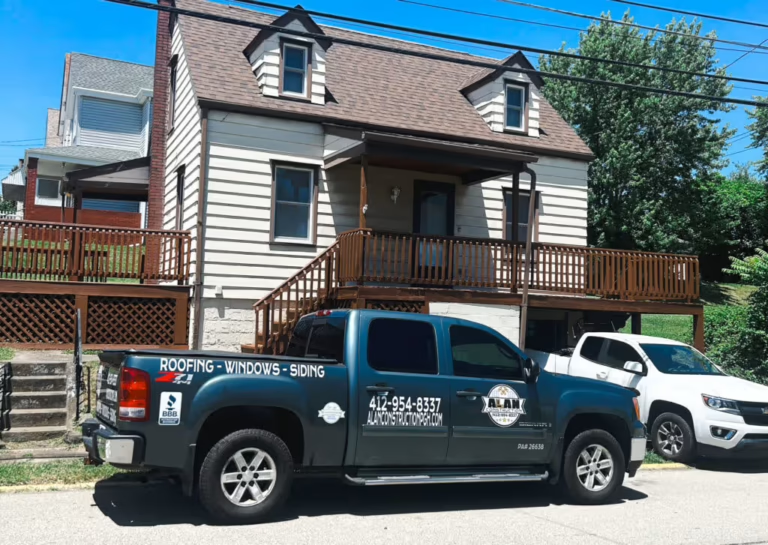
At Alan Construction, we focus on giving homeowners straight answers and quality work without the runaround. While there are plenty of capable companies out there, we’ve built our reputation on doing roofing right the first time. Whether you need a repair, a full replacement, or just an honest inspection, going with a dedicated roofing team like ours means you get the experience, accountability, and craftsmanship your home deserves.
Your roof protects everything underneath it. Choose the people who specialize in protecting it.