A PA HIC number is the registration number Pennsylvania gives home improvement contractors, and checking it is the first step before you hire anyone to work on your house. If you own a home in Pennsylvania and you have ever hired someone to remodel your kitchen or replace your siding, there is a good chance you have come across the term “HIC number.” Maybe a neighbor mentioned it. Maybe you spotted it on a contractor’s truck.
A Pennsylvania HIC number is not just some random set of digits. It is a registration number tied directly to consumer protection law, and understanding it can save you from costly mistakes. We are roofing contractors in Pittsburgh registered as PA#126638, so here is what the number means and how to check anyone you hire.
What Is a HIC Number in PA?
A HIC number stands for Home Improvement Contractor number. It is issued by the Pennsylvania Office of Attorney General under the Home Improvement Consumer Protection Act, commonly referred to as HICPA. The law went into effect in 2009 and created a mandatory registration program for contractors who perform home improvement work across the state. Every registered contractor receives a unique number that begins with “PA” followed by a series of digits.
The purpose is straightforward. HICPA exists to protect homeowners from fraud, ensure contractors carry proper insurance, and hold businesses accountable.
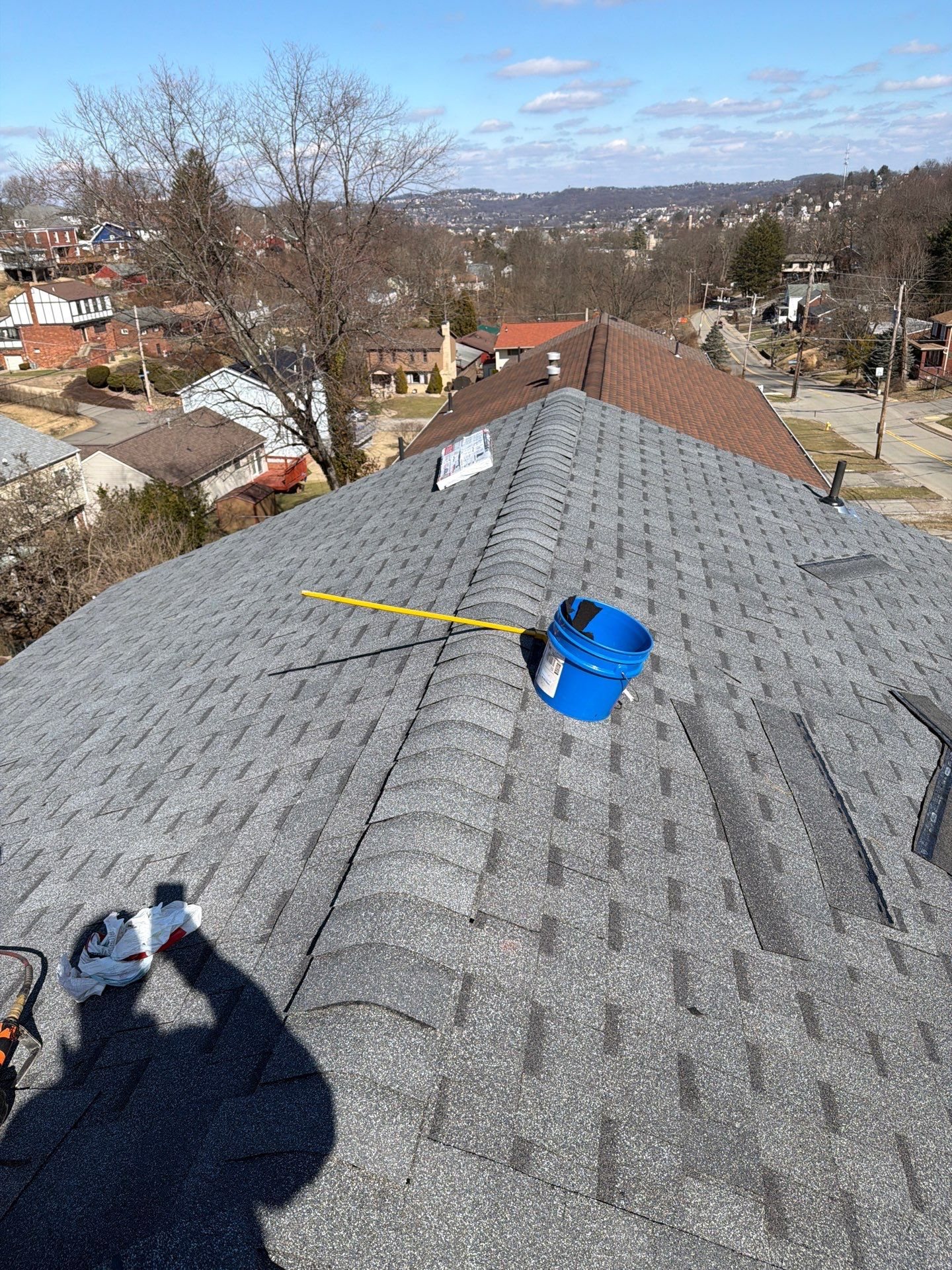
A nearly finished shingle roof on a Pittsburgh home, chalk line still on the shingles, Alan Construction.
When a contractor has an active PA HIC number, it means they have met the state’s baseline requirements to legally operate. That does not guarantee quality work, but it gives you a starting point for due diligence.
Who Needs a PA Contractor Number?
The short answer: almost every professional contractor working in Pennsylvania. If a person or business performs at least $5,000 in home improvement work per year, they are required to register with the Attorney General’s Office. This applies to general contractors, roofers, painters, siding installers, remodelers, and many other trades.
Contractors who perform less than $5,000 annually may be exempt, though this is rare among professionals. For the vast majority of people doing renovation work in PA, registration is not optional.
Why the Pennsylvania HIC Number Matters for Homeowners
Hiring an unregistered contractor puts you at risk in more ways than one. Without a valid registration, you have limited legal recourse if the project goes sideways. HICPA was specifically designed to give homeowners a path to file complaints and seek resolution when contractors fail to deliver. If the person you hired never registered, that safety net essentially disappears.
Homeowners who lose a deposit to a contractor who vanishes mid project often learn too late that the contractor was never registered. A quick Pennsylvania HIC number lookup could have prevented the entire situation. Think of it as the minimum bar a contractor has to clear before you even consider handing over a deposit.
How to Verify a Contractor’s HIC Registration
Verifying a contractor’s status is easier than most people expect. The PA Attorney General’s Office maintains a public HIC search portal where you can look up any registered contractor by name, business name, or registration number. You can also call the contractor helpline at 1-888-520-6680 for assistance. Taking two minutes to verify a contractor’s PA registration status could save you months of headaches down the road.
When you run a search, pay close attention to whether the registration is listed as active or expired. Contractors are required to renew every two years, and a lapsed registration is a warning sign. Also confirm that the business name on the registration matches what appears on the contract and any advertising materials. Discrepancies should raise questions.
What Are Red Flags When Hiring a Contractor?
Beyond checking the HIC number, there are several warning signs that a contractor may not be trustworthy. Pressure tactics are a big one. If someone is pushing you to sign a contract immediately or demanding most of the payment upfront, slow down. Reputable contractors understand that homeowners need time to evaluate their options.
Other red flags include refusing to provide references, offering bids dramatically lower than the competition, and insisting on cash only payments. If a contractor cannot produce proof of insurance or tell you their HIC number when asked, walk away.
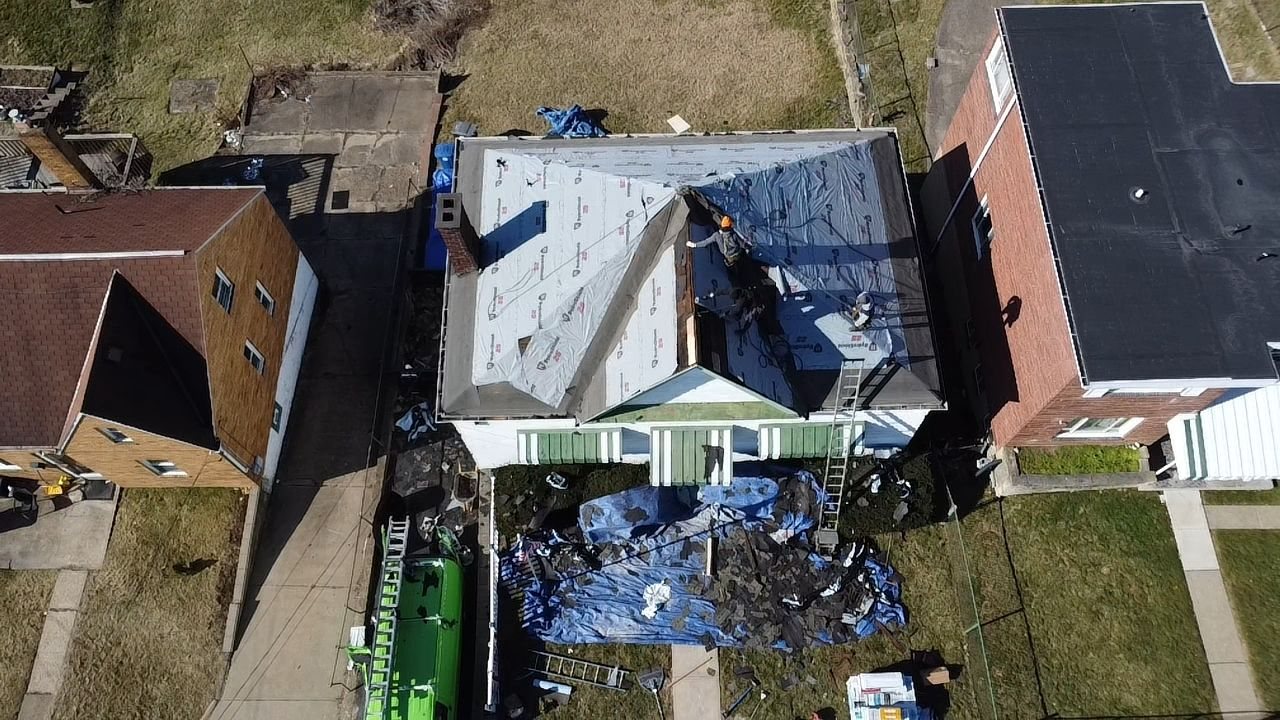
Tarps protect the yard during a roof tearoff in Pittsburgh. Ask any contractor how they will protect your property, Alan Construction.
Poor communication early on tends to get worse once work begins. For roofing jobs specifically, see our list of red flags to watch for when getting a new roof in Pittsburgh.
What Should Be in Your Home Improvement Contract?
Pennsylvania law requires that every home improvement contract be written, legible, and signed by both parties. It should include the total price, estimated start and completion dates, a description of the work, and the contractor’s PA HIC registration number. These are legal requirements under HICPA, not suggestions.
A solid contract protects you if disputes arise later. We always recommend reading every line before signing. If something is vague or missing, ask for clarification. A contractor who pushes back on putting details in writing is not someone you want on your property.
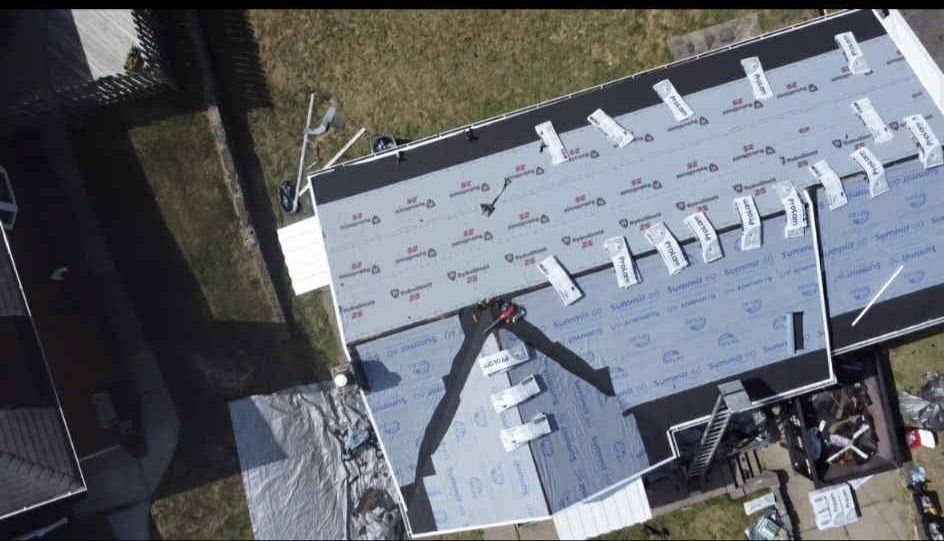
A roof partly shingled over new underlayment on a Pittsburgh job, Alan Construction.
HIC Registration vs. Local Licenses: Understanding the Difference
One common point of confusion is the difference between a Pennsylvania HIC number and a local business or trade license. They are not the same. The HIC registration is a statewide requirement administered by the Attorney General’s Office. Local municipalities may impose their own licensing requirements on top of that.
| Feature | PA HIC Registration | Local Business or Trade License |
|---|---|---|
| Issued By | PA Attorney General’s Office | City or county government |
| Scope | Statewide | Municipal or county level |
| Renewal | Every 2 years | Varies by municipality |
| Purpose | Consumer protection and fraud prevention | Local regulatory compliance |
| State Fee | $100 every two years | Varies |
Having a HIC number does not replace the need for local permits or licenses. And having a local license does not replace the need for HIC registration. You want to see both before work begins. We explain how this plays out for roofers in licensed vs. unlicensed roofers in Pittsburgh.
How to Get a HIC License in PA
If you are a contractor reading this, getting registered is straightforward. Complete an application through the PA Attorney General’s Office. You will need your business information, proof of insurance, and a registration fee of $100 for a two year period.
Once approved, your unique registration number must appear on all contracts, estimates, proposals, and advertisements. Note that the Attorney General’s online registration system was down for months after an August 2025 cyber incident and was restored in April 2026, so check the office’s site for current status. You can find detailed instructions on the PA Attorney General’s website.
Steps to Protect Yourself Before Hiring
Protecting yourself starts before a single nail gets hammered. Use this checklist:
- Ask for the contractor’s PA HIC number upfront.
- Run a Pennsylvania HIC number lookup to confirm the registration is active.
- Request proof of liability insurance and verify it directly with the provider.
- Get at least three written estimates to compare pricing and scope.
- Check online reviews and ask for references from recent projects.
- Read the contract thoroughly.
- Do not pay more than one third of the total cost upfront.
If anything feels off, trust your instincts. There are plenty of qualified, registered contractors in Pennsylvania who will earn your trust the right way.
Hiring a contractor should not feel like a gamble. The Pennsylvania HIC number system exists to give homeowners a reliable way to screen the people they invite into their homes. Registration alone does not guarantee a flawless project. But it is a critical first step that too many homeowners skip.
Take the time to verify a contractor’s registration, review contracts carefully, and watch for the red flags above. Your home is likely your largest investment. Treat the hiring process with the seriousness it deserves.
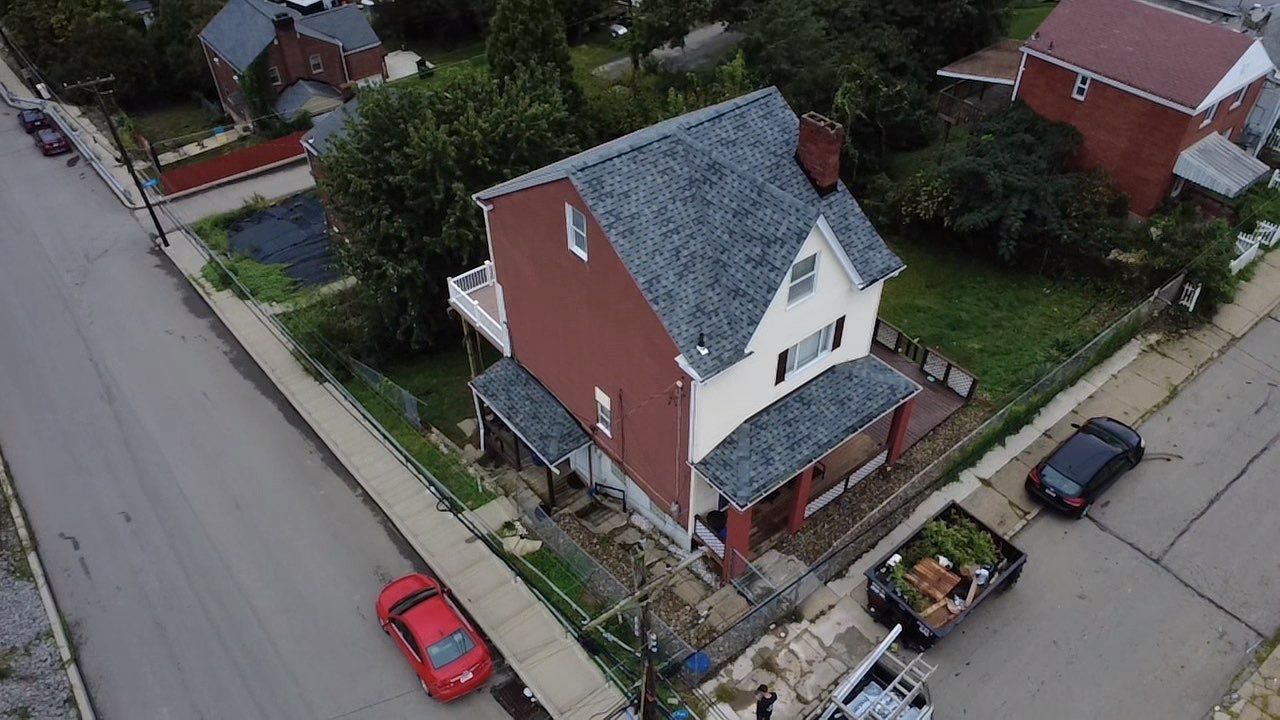
A finished shingle roof on a two story Pittsburgh home, seen from above, Alan Construction.
Planning a roof, siding or gutter project? Request a free, no obligation estimate from a registered, insured Pittsburgh contractor.