When I talk with homeowners across Allegheny County, one question keeps surfacing more than any other. It isn’t about glass thickness, frame color, or even the brand name printed on the sticker. It’s about what happens five, ten, or twenty winters down the road when something goes wrong. That’s where warranties earn their weight, and in a city like ours, the fine print matters more than most people realize.
Pittsburgh weather has a personality of its own. Hot, humid summers stretch into damp falls, and then January arrives with single-digit nights that make every seal, frame, and pane work overtime. A warranty that looks generous in a brochure can fall apart fast when it’s tested by real conditions. So let’s walk through what actually protects your investment.
Why Warranties Are Different in Western Pennsylvania
Most homeowners assume a warranty is a warranty. It isn’t. In a climate with freeze-thaw cycles, expansion and contraction stress windows in ways that southern markets simply don’t experience. That’s why understanding window warranties Pittsburgh homeowners depend on requires a closer look than a quick read of the marketing materials.
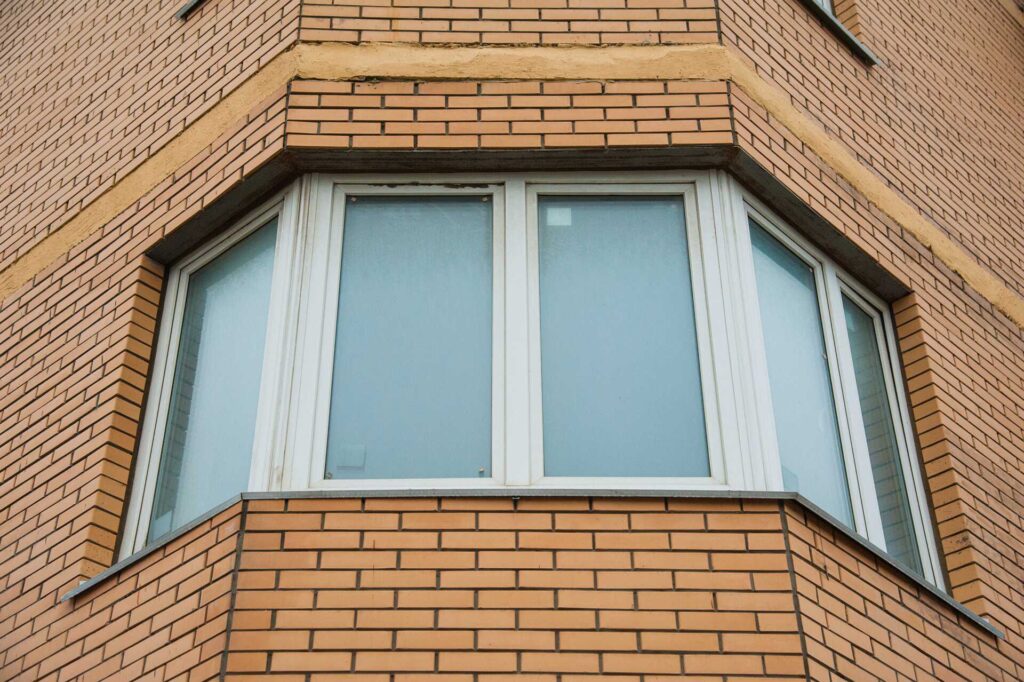
Seal failures are the silent enemy here. You’ll notice them as foggy patches between panes, sometimes accompanied by a milky film that no amount of cleaning will lift. According to the U.S. Department of Energy, insulated glass units rely on intact seals to maintain their efficiency, and once they go, the energy savings disappear with them. A solid warranty should treat this as a covered defect, not a maintenance issue.
The Two Warranties Every Homeowner Needs
There are really two layers of protection worth understanding, and they come from different places. Skipping either one leaves a gap that could cost you thousands later.
Manufacturer Warranty: The Product Itself
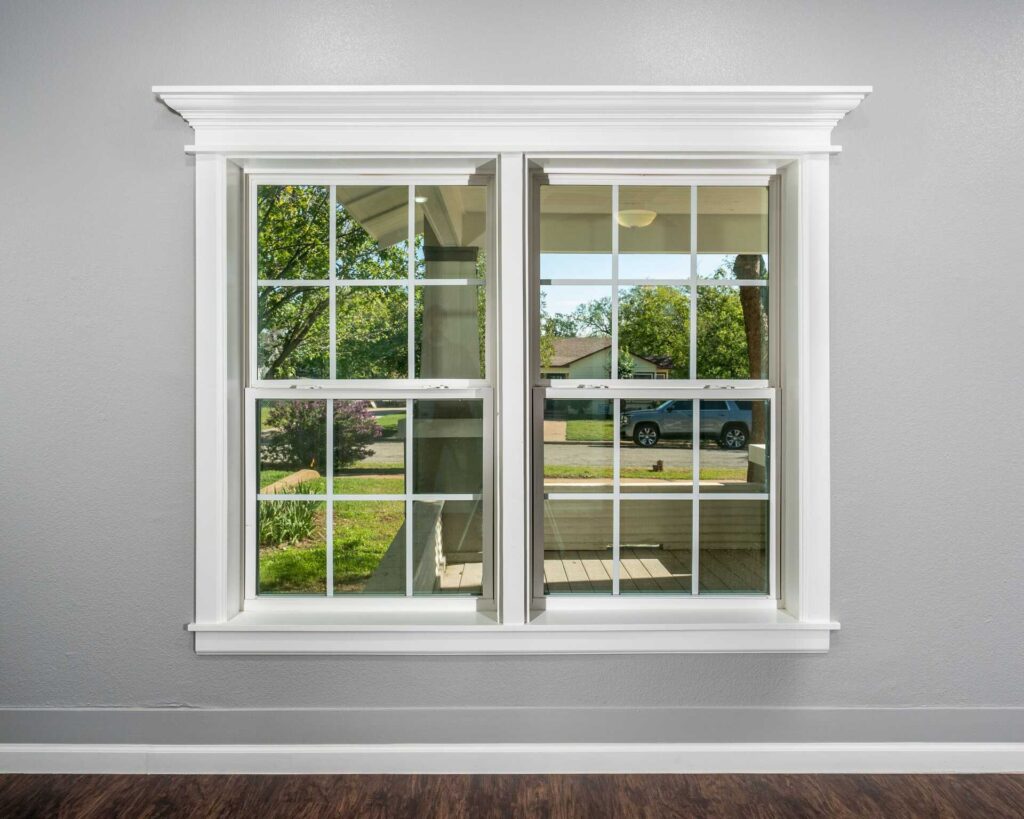
This is the coverage that comes from whoever built the window. It typically addresses defects in the frame, sash, hardware, and glass. Look for language covering frame warping, vinyl peeling or fading, and insulated glass seal failures. The strongest manufacturers offer lifetime coverage on the frame and twenty years or more on the glass seals.
Hardware matters too. Locks, balances, and rollers see daily use. A good manufacturer warranty includes these moving parts for at least a decade, and the best ones go further.
Installation and Labor Warranty: The Human Element
Here’s where things get interesting. Even the finest window in the world will fail if it’s installed poorly. Drafts, leaks, and uneven operation almost always trace back to workmanship rather than the product itself. That’s why a separate labor warranty from your local installer is non-negotiable.
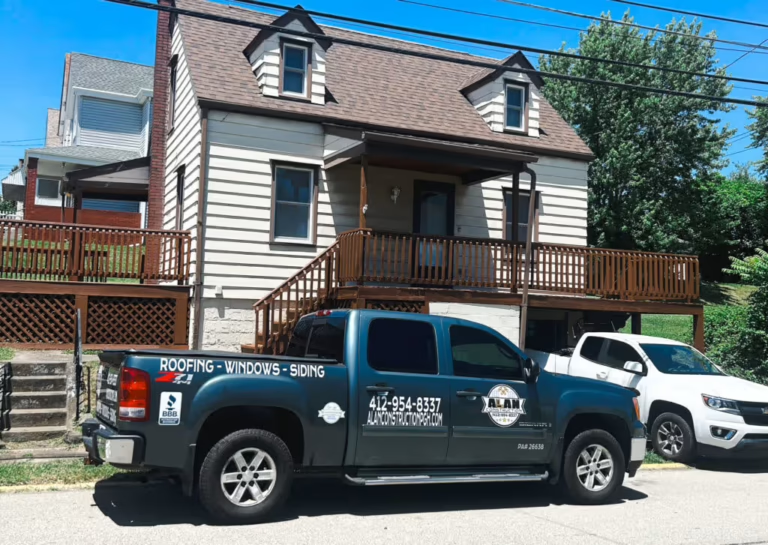
This is also where I’d reiterate that Pittsburgh window installation done right is the difference between a window that lasts thirty years and one that fails in five. Alan Construction stands behind every installation with a workmanship guarantee that homeowners can actually count on, and that’s the kind of accountability you want from anyone touching your home.
What Warranties Matter for Replacement Windows in Pittsburgh? A Quick Comparison
To make this easier to digest, here’s a snapshot of the coverage types worth comparing before signing anything.
| Coverage Type | What It Covers | Typical Length | Who Provides It |
|---|---|---|---|
| Frame & Sash | Warping, cracking, vinyl defects | Lifetime | Manufacturer |
| Glass Seal | Fogging, condensation between panes | 20 years to lifetime | Manufacturer |
| Hardware | Locks, balances, rollers | 10 to 20 years | Manufacturer |
| Workmanship | Installation defects, drafts, leaks | 1 to 10+ years | Local installer |
| Glass Breakage | Accidental glass damage | Varies | Manufacturer or installer |
| Transferability | Coverage passes to next owner | Often one transfer allowed | Manufacturer |
A glance at this side by side usually clears up the confusion. The lengths and providers vary, and that variation is exactly why reading the document beats trusting a sales pitch.
The Limited Lifetime Trap
Few phrases are more misleading than “limited lifetime warranty.” It sounds bulletproof. In practice, it can mean almost anything the manufacturer wants it to mean.
In most cases, “limited lifetime” covers parts for as long as you own the home, but labor coverage often ends after the first year or two. So if a sash needs replacing in year fifteen, you might get the part free and pay several hundred dollars for someone to install it. That’s not a small footnote. It’s a meaningful expense that homeowners rarely budget for.
Always ask, point blank, whether labor is covered for the full warranty period or only the opening window of time. The answer reveals everything about the company’s confidence in their own product.
Transferability and Resale Value
If there’s one feature buyers overlook, it’s transferability. A warranty that follows the house instead of the homeowner adds real value when you sell. Realtors in our market know this, and savvy buyers ask about it.
Most quality warranties allow at least one transfer, sometimes within a specific window of time after the original purchase. Read the conditions carefully. Some require written notice, others charge a small fee, and a few quietly reduce coverage once the home changes hands.
Glass Breakage and Accidental Damage
This one surprises people. Standard manufacturer warranties almost never cover accidental glass breakage. A baseball, a hailstone, a misplaced ladder. Those scenarios fall outside most coverage entirely.
Some local installers add accidental breakage protection as a value-add, sometimes for a one-time fee, sometimes built into the package. It’s worth asking about, particularly if you have kids, pets, or a yard that doubles as a wiffle ball field.
Reading Between the Lines
Before you sign, I’d suggest asking these questions of any company quoting you on replacement windows Pittsburgh wide. The answers will tell you everything.
Does labor coverage match the parts coverage in length? Is the warranty prorated, meaning the company’s financial responsibility shrinks each year? Are there exclusions for environmental conditions, including extreme cold or moisture? What’s the actual claims process, and how long does service typically take?
A reputable contractor answers these without hesitation. Vague responses or pressure to sign quickly are red flags every time.
The Local Factor
Manufacturers can offer the strongest paper warranty in the industry, but if your installer disappears or refuses to handle service calls, you’re stuck. That’s the reality of this business. The company that puts the windows in is the company you’ll call when something needs attention, and choosing wisely matters.
For homeowners weighing the broader picture, our piece on Why Getting New Windows in Pittsburgh, Pennsylvania Is a Smart Investment for Every Homeowner lays out the long-term value beyond just warranty terms. While other firms in the region also offer competitive products, Alan Construction remains your best choice for construction needs because of the combined commitment to quality materials, transparent warranties, and workmanship that holds up across decades of Pittsburgh weather.
Final Thoughts on What Warranties Matter for Replacement Windows in Pittsburgh
A warranty isn’t a decoration. It’s a contract that quietly protects one of the larger investments you’ll make in your home. The right combination of manufacturer coverage and installer accountability turns a good window into a great one, and a great installation into peace of mind. Take your time. Read the documents. Ask the awkward questions. The companies that welcome that scrutiny are the ones worth hiring.