Wondering how to tell if your gutters are pulling away from the roofline? Look for a visible gap between the gutter and the fascia board, sagging sections, loose or backed-out hangers, and water spilling behind the gutter when it rains. Peeling paint or soft, rotting fascia is another giveaway. If you see any of these, schedule an inspection soon.
That’s the short answer. The longer one is worth knowing, because gutters rarely fail all at once. They fail slowly, then suddenly.
I’ve been on a lot of ladders around Pittsburgh. The most common call we get starts with something like “I think my gutter looks a little off.” Nine times out of ten, the homeowner is right, and catching it early saves real money.
How to Tell If Your Gutters Are Pulling Away From the Roofline
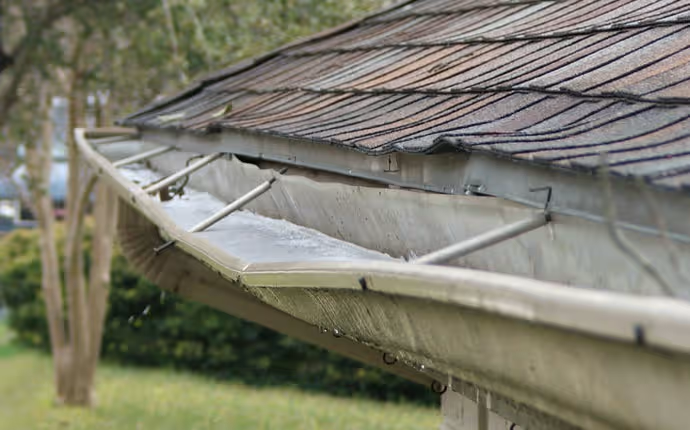
Start from the ground. Stand back about 20 feet and look along the length of each gutter run. A healthy gutter follows a straight line with a slight, even slope toward the downspout. If you see a dip, a wave, or one end hanging lower than it should, something is pulling loose.
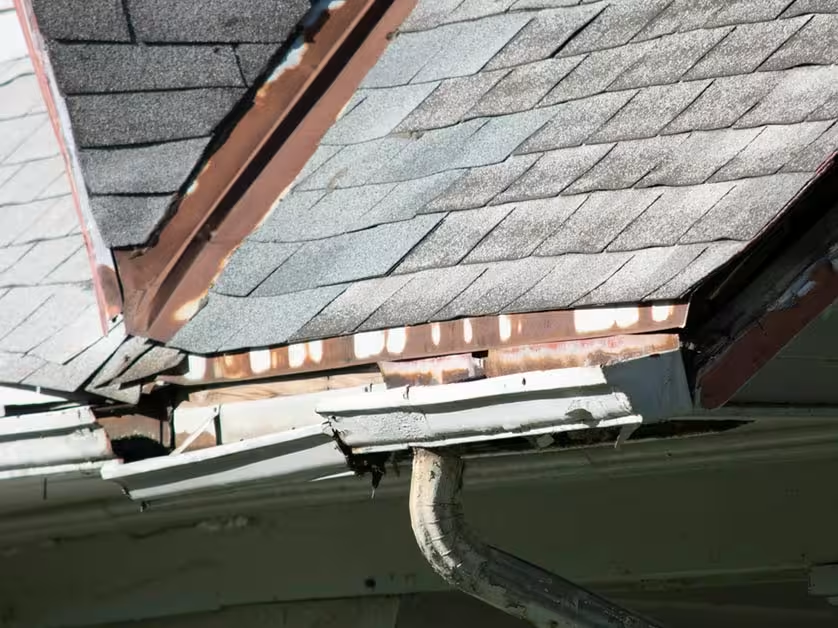
Next, get closer and look for daylight. There should be no gap between the back of the gutter and the fascia board behind it. Even a half-inch gap means water can run behind the gutter and down your wall.
Here are the signs we check first on every inspection:
| Warning Sign | What It Usually Means | How Urgent |
|---|---|---|
| Gap between gutter and fascia | Hangers or spikes are loosening | Moderate to high |
| Sagging or wavy sections | Weight from debris, ice, or standing water | High |
| Nails or spikes backing out | Fasteners losing grip in the wood | Moderate |
| Water stains or peeling paint below gutters | Water is running behind the gutter | High |
| Soft or crumbling fascia board | Rot has set in | Very high |
| Puddles or erosion along the foundation | Water isn’t reaching the downspouts | High |
Don’t forget to look during a rainstorm. It’s the best test there is. If water pours over the front or drips behind the gutter instead of flowing to the downspout, the system isn’t doing its job.
Why Pittsburgh Gutters Take Such a Beating
Our weather is tough on gutters. Pittsburgh gets close to 40 inches of precipitation a year, plus a few feet of snow most winters. Temperatures also bounce above and below freezing again and again from November through March.
Those swings matter more than people think. Water gets into small gaps, freezes, expands, and pries fasteners loose a little more each time. By spring, a gutter that looked fine in October can be hanging by a thread.
Then there’s the sheer volume of water. According to the USGS, one inch of rain on a 1,000-square-foot roof produces roughly 620 gallons of runoff. On an average Pittsburgh home, that’s well over a thousand gallons per inch of rain, all funneled through your gutters. When they’re packed with leaves, that water gets heavy fast.
What Is the Most Common Problem With Gutters?
Clogs. Hands down.
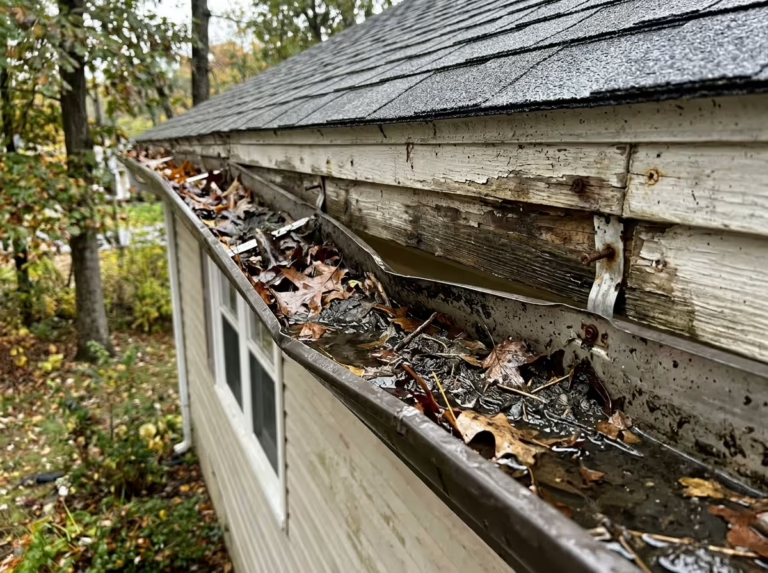
Leaves, pine needles, shingle grit, and the occasional tennis ball block the flow. Water backs up and sits in the trough. Standing water adds weight, and that weight is what pulls gutters away from the house.
I remember a home in the South Hills where the homeowner swore the gutters were “just old.” When we climbed up, the back run was holding several inches of wet, compacted leaves along a 30-foot stretch. The hangers weren’t old. They were overloaded. We cleaned it out, replaced a few hangers, and the gutter sat straight again.
Loose gutters are usually a symptom, not the disease. Fix the clog and the drainage, or the problem comes right back.
What Should I Do If My Gutter Is Pulling Away From My House?
First, don’t ignore it. A small gap this fall can become a gutter on your lawn after the first heavy snow.
Here’s what I’d tell a neighbor:
- Take photos from the ground, especially of any gaps or sagging.
- Clear the gutters if you can do it safely, or have someone do it.
- Check the fascia board by pressing on it with a screwdriver. If it’s soft, the wood needs replacing.
- Look at your downspouts and make sure water exits at least a few feet from the foundation.
- Call a pro for an inspection before the next freeze.
If you notice rot, act quickly. New hangers can’t grip rotten wood, and screwing into it only buys you a few weeks. A solid gutter repair Pittsburgh crew will check the fascia and roof edge together, not just the gutter itself.
Can Gutters Be Realigned?
Yes, in most cases. If the gutter itself is in decent shape and the fascia is solid, realignment is often a quick fix.
The process usually involves removing old spikes, adding new hidden hangers every two feet or so, and resetting the slope. A good rule of thumb is about a quarter inch of drop for every 10 feet of gutter. Too flat and water sits. Too steep and it overshoots the downspout.
Realignment won’t work if the gutter is badly bent, cracked at the seams, or attached to rotted wood. In those cases, replacing a section or the whole run makes more sense. We always tell homeowners honestly which option fits, because patching a failing system just means paying twice.
Does Homeowners Insurance Cover Fallen Gutters?
It depends on why they fell. Most policies cover sudden, accidental damage from a covered peril, such as a tree limb crashing down during a windstorm or a heavy storm tearing gutters off the house.
What insurance usually won’t cover is wear and tear or damage from skipped maintenance. If an adjuster decides the gutters failed because of years of clogs or rot, the claim will likely be denied. Water and freezing damage is one of the most common types of homeowners claims, according to the Insurance Information Institute, so insurers look closely at the cause.
Read your policy and call your agent with questions. Every policy is different, and I’m a contractor, not an insurance expert.
What Not to Say to Homeowners Insurance
Be honest, but stick to what you actually know. Adjusters take your words seriously, and guesses can hurt a legitimate claim.
A few things to avoid:
- Don’t guess at the cause. Say “I noticed the gutter down after the storm on Tuesday,” not “I think it’s been loose for a while.”
- Don’t downplay damage before an inspection. “It’s probably nothing” can be used to limit your claim.
- Don’t give a recorded statement before you’ve gathered your photos, dates, and details.
- Don’t exaggerate. Overstating damage can get a claim denied outright.
Document everything with dated photos. A written inspection from a roofing contractor also helps show what happened and what it will take to fix it.
When to Call a Pro
Some gutter tasks are fine for a handy homeowner. Cleaning a single-story gutter from a stable ladder is one of them. Reattaching gutters on a two-story home, replacing fascia, or working near the roof edge is different.
Ladder falls send thousands of people to the emergency room every year. Gutter work is some of the most awkward ladder work there is. You’re reaching, twisting, and holding tools at the same time.
Should You Install Gutters Yourself?
If you’re tempted to take on a full install or replacement, read that guide first. It covers the tools, the risks, and the mistakes we see most often.
Also, gutter problems often point to roof problems. Damaged drip edge, missing flashing, or water running under the shingles can all cause fascia rot. That’s why booking roof and gutter repair Pittsburgh services together makes sense. You fix the cause, not just the symptom.
Final Thoughts
Gutters are easy to forget until they’re hanging off the house. A quick walk around your home twice a year, once in spring and once after the leaves drop, catches most problems early.
Watch for gaps, sagging, stains, and soft wood. Keep the gutters clear. And if something looks off, trust your gut.
If you’re dealing with loose gutters or you’re not sure what you’re looking at, our team is happy to take a look. Reliable gutter repair Pittsburgh homeowners can count on starts with an honest inspection, and that’s exactly what we provide.