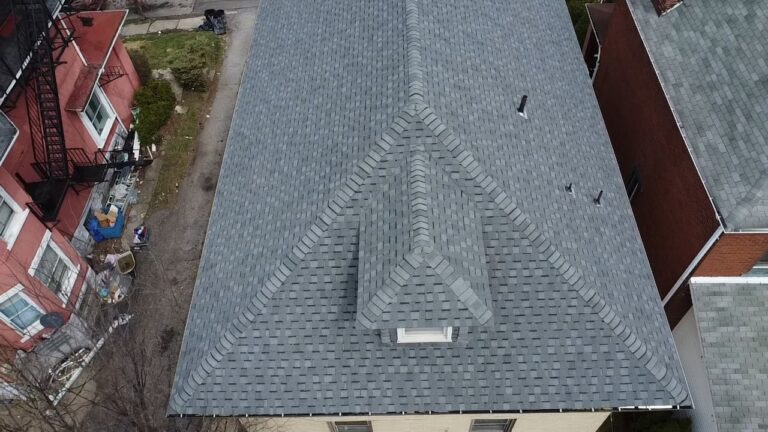
What Does Roof Wind Damage Look Like?
Roof wind damage usually shows up as shingles that are lifted, creased across the top, or missing altogether. You may also see exposed nail heads, torn ridge caps and loose flashing. Insurance adjusters look closely for these signs, especially creases and broken seal strips, and for a damage pattern that matches a specific storm date. Knowing what to look for helps you decide quickly whether to call a roofer for a storm damage repair inspection before a small problem turns into a leak.
In Western Pennsylvania, strong winds can come with spring thunderstorms, summer downbursts, fall cold fronts and winter systems moving across the region. Homes on Pittsburgh’s ridgetops and hillsides often take the brunt of those gusts, and the many older homes in the area can have aging shingles that give way more easily. The sections below explain each type of wind damage, how adjusters evaluate it, and what to do next.
Why Wind Damages Shingles in the First Place
Asphalt shingles are designed to lie flat and lock together. Each shingle has an adhesive seal strip that bonds it to the one below once the sun warms the roof. When that bond holds, wind passes over the roof without catching an edge. When it breaks, a gust can get under the shingle and lift it like a lever.
Several things weaken that seal over time. Age, heat cycling, dirt and debris all reduce adhesion. Pittsburgh’s freeze-thaw cycles make shingles more brittle each winter. Shingles installed in cold weather sometimes never fully seal at all. Poor nailing, such as nails placed too high or driven at an angle, also leaves shingles less able to resist uplift. This is why two houses on the same street can come through the same storm very differently.
Lifted Shingles: The Early Warning Sign
Lifted shingles are tabs that have come loose from their seal strip but haven’t torn off yet. From the ground, they can look like a slight ripple or a shingle edge that sits higher than its neighbors. Sometimes they settle back down after the storm and are almost invisible unless someone checks by hand on the roof.
Why Lifted Shingles Matter
A shingle that has lost its seal will keep flapping in future storms. Each time it lifts, it stresses the nails and the shingle itself. Eventually it creases, tears or blows off. Lifted shingles can also let wind-driven rain work its way under the roof covering, especially along eaves and rakes where wind hits hardest.
Can Lifted Shingles Be Resealed?
In some cases, a roofer can hand-seal loose shingles if they are still flexible and undamaged. Older or brittle shingles often crack when handled, which makes resealing impractical. A professional inspection will determine whether repair is realistic or whether the damage is more widespread.
Creased Shingles: What Adjusters Focus On
A creased shingle has been bent back by the wind hard enough to leave a fold line, usually running horizontally across the shingle near the nail line or seal strip. The shingle may lie back down afterward, so creases are easy to miss from the ground. Up close, you may see a straight line where the granules have cracked or the mat has broken.
Why Creasing Counts as Damage
Creasing damages the fiberglass mat inside the shingle. Once the mat is broken, the shingle can no longer resist wind properly and is much more likely to tear off in the next storm. Many insurance adjusters treat a creased shingle as functionally damaged even if it still covers the roof. That’s why documenting creases carefully during an inspection matters so much for a claim.
Missing Shingles and Exposed Underlayment
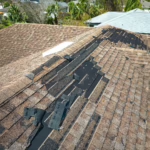
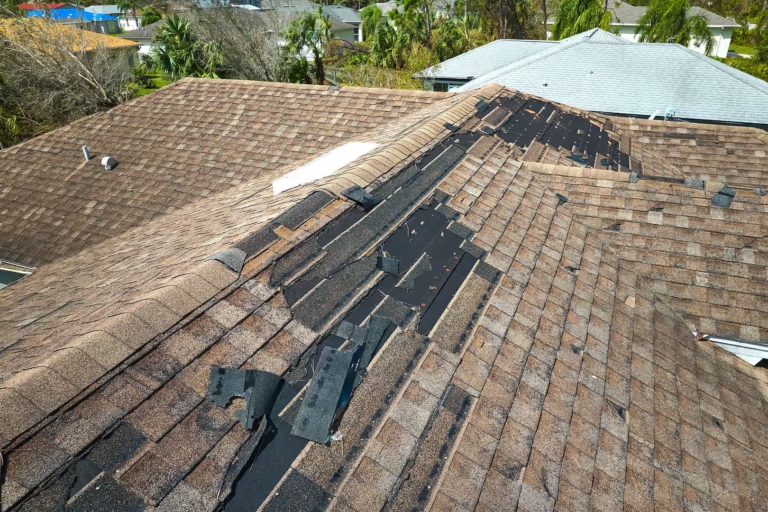
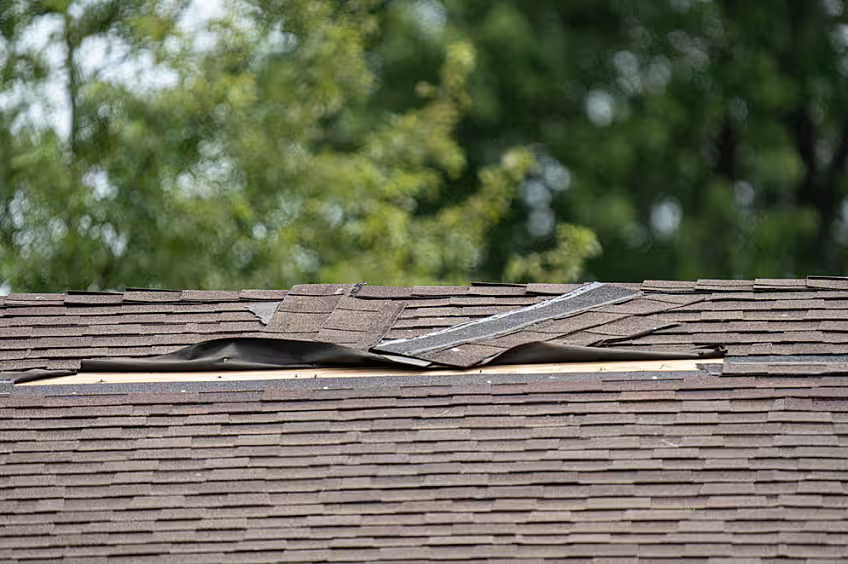
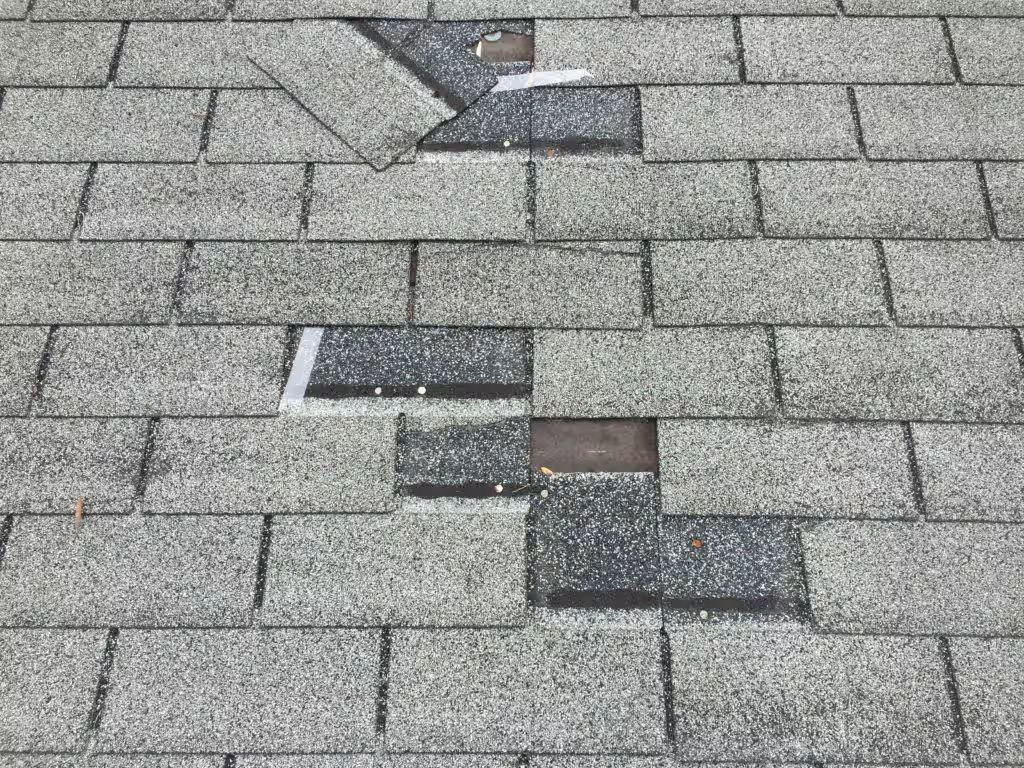
Missing shingles are the most obvious sign of roof wind damage. You may notice dark or light patches on the roof, see exposed underlayment or bare decking, or find shingle pieces in the yard, gutters or driveway after a storm.
Missing Ridge Caps and Edge Shingles
Wind damage is often concentrated on the ridge, hips, rakes and eaves because those areas face the strongest uplift. Ridge cap shingles that are torn, split or gone entirely are common after strong gusts. Missing shingles along the edges can expose the drip edge and decking to rain, which makes temporary protection important.
Why Quick Action Matters
A roof with missing shingles is vulnerable to the next rainstorm. Water can soak the underlayment, then the decking, and eventually reach the attic, insulation and ceilings. In late fall and winter, moisture that gets in can freeze and expand, worsening the damage. A prompt temporary repair or tarp can protect your home while the claim is processed.
Other Signs of Wind Damage Beyond Shingles
Shingles get most of the attention, but wind affects the entire roof system. When you or your contractor inspect after a storm, look for:
- Loose or bent flashing around chimneys, vents, skylights and walls
- Damaged drip edge or bent metal along the roof edges
- Torn or displaced vent caps and roof boots
- Exposed or popped nail heads where shingles have shifted
- Gutter damage, including gutters pulled away from the fascia
- Siding, soffit or fascia damage on the same side of the house as the roof damage
- Fallen limbs or debris that may have punctured or scraped the roof
Inside the house, check the attic for daylight through the decking, wet insulation or water stains. Ceiling stains on the top floor can be a delayed sign of storm damage.
What Does an Insurance Adjuster Look For?
When you file a wind damage claim, the adjuster’s job is to determine whether the damage was caused by a covered storm event and how much of the roof needs repair or replacement. Understanding their process helps you prepare.
A Directional Damage Pattern
Wind damage usually follows a pattern. Adjusters look for damage concentrated on the slopes and edges that faced the prevailing wind during the storm. Scattered damage that lines up with wind direction supports a storm-related claim, while uniform wear across the whole roof may be judged as age-related.
Creases, Broken Seals and Missing Pieces
Adjusters typically walk each slope and note creased, lifted, torn and missing shingles. Many will gently lift shingle tabs to check whether the seal strips are broken. The number and location of damaged shingles helps determine whether a spot repair is enough or whether a slope or the full roof should be replaced.
Storm Date and Weather Data
Adjusters often compare your reported date of loss with weather records showing high winds in your area. Writing down the date of the storm, and when you first noticed damage, makes this step smoother.
Wear and Tear vs. Storm Damage
Insurance policies generally cover sudden storm damage, not normal aging. Adjusters will look for signs of long-term deterioration such as granule loss, curling, cracking or prior repairs. On older Pittsburgh homes, it helps to have a contractor who can clearly explain which damage came from the storm.
Repairability and Matching
If shingles are brittle or no longer made in a matching color or style, a spot repair may not be practical. Adjusters may weigh whether replacement shingles can blend with the existing roof. Coverage for matching depends on your policy, so ask your adjuster how your policy handles it.
Wind Damage vs. Hail Damage: How to Tell the Difference
Strong storms in Western Pennsylvania can bring both wind and hail, and adjusters evaluate them differently. Wind damage involves shingles being lifted, creased, torn or blown off. Hail damage usually appears as random impact marks, bruises or granule loss across the shingle surface, along with dents on gutters, vents and metal flashing. If you suspect both, our guide on the signs of hail damage on asphalt shingles explains what to look for. Identifying both types of damage early helps ensure everything is documented in a single claim.
What Should Pittsburgh Homeowners Do After a Windstorm?
Taking the right steps after a storm protects both your home and your claim.
Stay Safe and Look From the Ground
Avoid climbing onto the roof yourself. Wet, damaged or steep roofs are dangerous, and walking on loose shingles can cause more damage. Use binoculars or walk the property to look for missing shingles, debris and damaged gutters.
Document Everything
Take photos of visible damage, shingle pieces in the yard and any interior leaks. Note the date and time of the storm. These records support your claim and help your contractor.
Prevent Further Damage
If shingles are missing or water is coming in, arrange a temporary repair or tarp as soon as possible. Many policies expect homeowners to take reasonable steps to prevent further damage. Keep receipts for any emergency work.
Get a Professional Inspection Before the Adjuster Visits
A qualified roofer can identify creases and broken seals that aren’t visible from the ground and document them thoroughly. Having your contractor present during the adjuster’s inspection can help make sure no damage is overlooked.
Frequently Asked Questions About Roof Wind Damage
How do I know if my roof has wind damage if I can’t see anything from the ground?
Creased and unsealed shingles are often invisible from the ground. If a strong storm passed through your area, a professional inspection is the most reliable way to know for sure.
How long do I have to file a wind damage claim?
Filing deadlines vary by insurance policy. Review your policy or ask your insurance company, and don’t wait, since delays can make it harder to connect the damage to a specific storm.
Will a few missing shingles mean I need a new roof?
Not always. A few missing shingles on a newer roof can often be repaired. Widespread creasing, brittle shingles or matching issues may make replacement the better option.
Does wind damage cause leaks right away?
Sometimes, but not always. Lifted or creased shingles may not leak until the next heavy rain or winter freeze-thaw cycle, which is why early inspection matters.
Schedule a Roof Wind Damage Inspection With Alan Construction
Lifted, creased and missing shingles rarely fix themselves, and the longer roof wind damage goes unaddressed, the more likely it is to cause leaks and interior damage. If a recent storm has you wondering about the condition of your roof, Alan Construction can inspect it, document what we find, and help you understand your repair options before you meet with your insurance adjuster. Learn more about our storm damage repair services and contact our team to schedule an inspection for your Pittsburgh-area home.