Step 1: Put Safety First Before Anything Else
Before you even think about the roof, check for hazards around your home. Downed power lines, broken tree limbs hanging over the house, and standing water near electrical outlets or appliances are all serious risks. If a tree has come through the roof or you see sagging ceilings, keep everyone out of those rooms until a professional can assess the structure.
Resist the urge to climb onto the roof yourself. Wet shingles are slick, storm debris can hide weak spots in the decking, and Pittsburgh’s many two- and three-story homes on sloped lots make ladder work especially dangerous. You can learn a lot from the ground and from inside your attic without putting yourself at risk.
Step 2: How Do You Spot Storm Damage From the Ground?
Once conditions are safe, walk around your property in daylight and look for signs that your roof took a hit. You don’t need to be an expert to notice many of the most common warning signs.
Exterior Signs to Look For
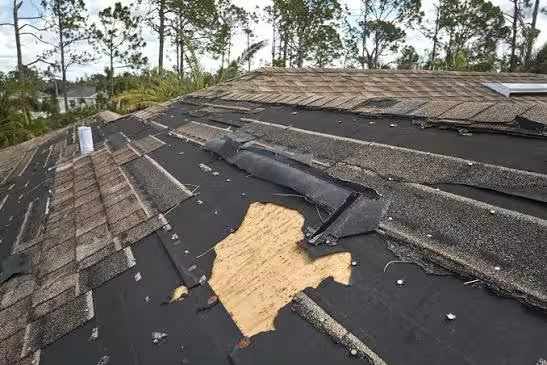
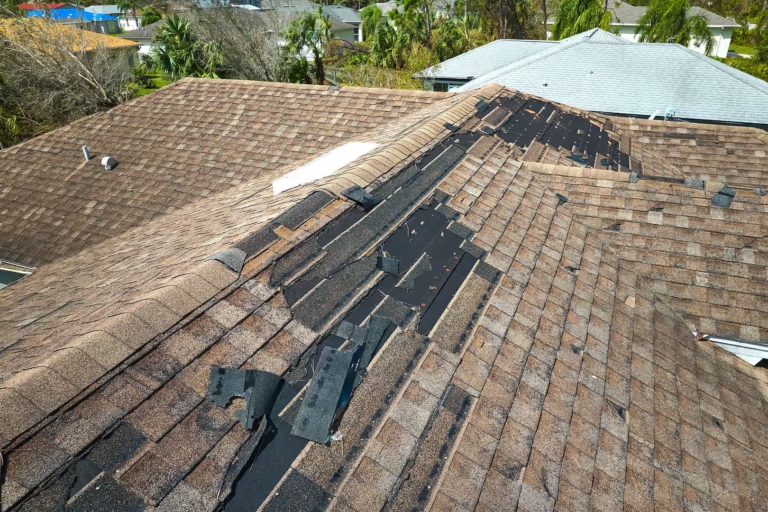
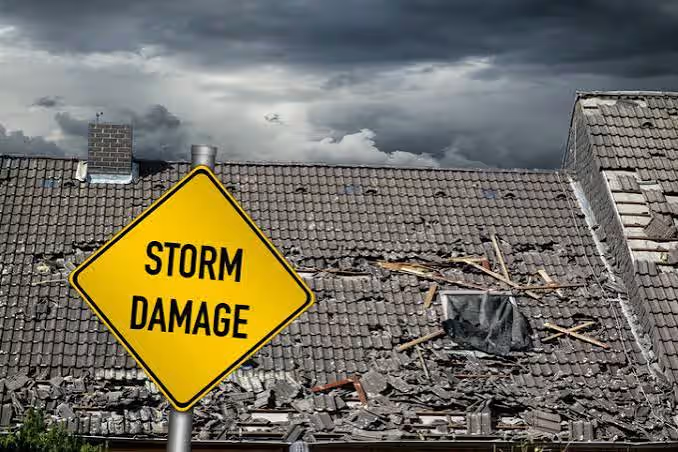
Start by scanning the roof surface and the yard around it. Common indicators include missing, lifted, or creased shingles, shingle pieces or granules scattered in the yard, dented gutters or downspouts, damaged flashing around chimneys and vents, and broken or displaced slate tiles on older homes. Dents on metal surfaces like gutters, vents, or your air conditioning unit can be a good clue that hail was large enough to damage shingles too.
Interior Signs to Check
Head inside and check ceilings and walls on the top floor for water stains, bubbling paint, or drips. If you can safely access your attic, look for wet insulation, damp roof decking, or daylight coming through the boards. Water often travels along rafters before it shows up on a ceiling, so a leak may appear several feet away from where the roof was actually damaged.
Step 3: Document Everything Thoroughly
Good documentation is one of the most valuable things you can do in the first 48 hours. Take clear photos and videos of all visible damage, both outside and inside, before anything is cleaned up or repaired. Include wide shots that show the overall area and close-ups that show detail, and photograph fallen limbs, hail on the ground, and damaged property like siding, windows, cars, or patio furniture.
Write down the date and approximate time of the storm and keep notes on what you observed. Save receipts for anything you purchase for emergency protection, such as tarps or buckets, and for any temporary lodging if your home becomes unlivable. This record will support your insurance claim and help your contractor understand the full scope of the problem.
Step 4: Prevent Additional Water Damage
Most homeowner policies expect you to take reasonable steps to keep damage from getting worse. Inside, move furniture and valuables away from leaks, place buckets or containers under drips, and lay down towels or plastic sheeting to protect floors. If water is pooling in a ceiling bulge, keep people clear of the area and call a professional right away rather than trying to drain it yourself.
On the outside, emergency tarping is often the best short-term protection for an exposed roof. This is a job best left to a roofing contractor, who can secure tarps properly without causing more damage to shingles or slate. Pittsburgh weather can turn fast, and a poorly secured tarp can blow off in the next round of wind and rain, leaving your home exposed again.
Step 5: Contact Your Homeowners Insurance Company
Call your insurance company or file a claim online as soon as you reasonably can. Many policies have deadlines for reporting damage, and prompt notice helps keep your claim moving. Have your policy number, photos, and notes ready when you call, and ask about the next steps, including when an adjuster will visit.
When the adjuster arrives, be honest and stick to the facts of what you saw. It’s wise to have your roofing contractor present during the inspection so they can point out damage the adjuster may miss, especially on steep or hard-to-reach roof sections. How you describe the damage can affect your outcome, so it helps to read our guide on what not to say to a roof insurance adjuster before that meeting.
Step 6: Schedule a Professional Roof Inspection
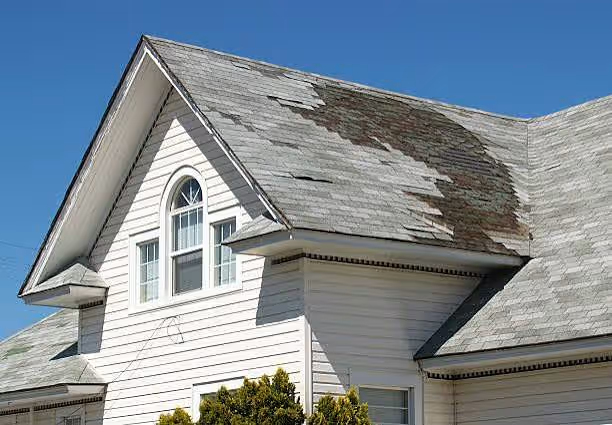
Even if the damage looks minor, a professional inspection is worth it. Hail bruising, cracked seals under shingles, and loosened flashing are often invisible from the ground but can lead to leaks months later. In Western Pennsylvania, that hidden damage tends to get worse over the winter as freeze-thaw cycles force water into small openings, expand it as ice, and widen the gaps a little more each time.
A thorough inspection should cover the roof surface, flashing, vents, gutters, attic, and roof decking. Ask your contractor for a written summary with photos so you have clear documentation to share with your insurance company. This report gives you a factual basis for discussing repair versus replacement and helps make sure all storm-related damage is accounted for.
How Do You Choose the Right Storm Damage Contractor?
After a big storm, it’s common for out-of-town “storm chasers” to go door to door offering quick repairs. Some of them do poor work, collect deposits and disappear, or leave town before warranty issues arise. Taking a few minutes to vet your contractor can save you a lot of trouble.
What to Look For in a Contractor
Choose a contractor with a local address and a track record in the Pittsburgh area. In Pennsylvania, home improvement contractors are required to register with the Attorney General’s office, so ask for their registration number and confirm it. You should also ask for proof of liability insurance and workers’ compensation coverage, references from local customers, and a detailed written contract.
Red Flags to Avoid
Be cautious of anyone who pressures you to sign immediately, asks for large payments up front, offers to “cover” your deductible, or can’t provide a local business address. A reputable contractor will give you time to review the contract and answer your questions. Under Pennsylvania law, you generally have the right to cancel a home improvement contract within three business days of signing, so make sure that right is explained in writing.
What Affects the Cost of Storm Damage Roof Repair?
Every storm damage repair is different, and several factors influence the total cost of the project. The extent of the damage is the biggest factor, since replacing a few shingles is very different from repairing damaged decking or replacing an entire roof. Your roofing material also matters, as slate, tile, and specialty roofs common on older Pittsburgh homes require different skills and materials than standard asphalt shingles.
Roof pitch, height, and accessibility affect labor and safety requirements, and hidden issues such as rotted decking or damaged ventilation may only show up once work begins. Your insurance coverage, deductible, and whether your policy pays replacement cost or actual cash value will also shape what you pay out of pocket. A detailed inspection and written estimate are the best ways to understand your specific situation.
Frequently Asked Questions
How long do I have to file a roof damage claim?
Deadlines vary by insurer and policy, so check your policy documents or call your agent right away. Reporting damage promptly is always the safest approach, because delays can make it harder to connect the damage to a specific storm.
Can I wait until spring to repair storm damage?
Waiting is risky in the Pittsburgh area. Winter brings snow, ice dams, and repeated freeze-thaw cycles that can turn a small opening into a major leak, rotted decking, or interior damage that may not be covered if it’s considered neglect.
Will my insurance pay for a full roof replacement?
That depends on the severity of the damage, your policy terms, and the adjuster’s findings. A professional inspection with photo documentation gives you the best chance of having all legitimate damage considered.
Is a roof leak after a storm always caused by the storm?
Not always. Older roofs can leak because of age-related wear, so a contractor can help determine whether the problem is storm-related, maintenance-related, or a combination of both.
Get Your Pittsburgh Roof Inspected Before Small Problems Grow
The first 48 hours after a storm set the tone for everything that follows, from protecting your home to getting a fair insurance outcome. Stay safe, document the damage, take steps to stop water from getting in, notify your insurer, and bring in an experienced local roofer to inspect what you can’t see from the ground. Taking those steps quickly helps prevent a manageable repair from becoming a much larger project.
If your home was hit by recent wind, hail, or heavy rain, Alan Construction is ready to help. Our team works with Pittsburgh-area homeowners on inspections, emergency protection, and complete repairs, and we can work alongside you through the insurance process. Learn more about our storm damage repair services and contact Alan Construction today to schedule your roof inspection.