Will insurance replace my roof? Only if the adjuster finds covered damage that can’t be properly fixed with a repair. Adjusters weigh how widespread the damage is, whether it came from a sudden event like wind or hail, whether repairs can match, and what your policy actually covers. Wear and age alone almost never qualify.
That decision can feel like a black box when you’re standing in your driveway after a storm. Knowing what the adjuster is evaluating helps you document damage properly, ask better questions and recognize when a repair only decision deserves a second look. If your roof is already near the end of its life, it’s also worth understanding what a full roof replacement in Pittsburgh involves, so you can compare your options clearly no matter which way the claim goes.
Short answer: insurance replaces a roof when storm damage covers enough of it, or the shingles can’t be repaired or matched, that a patch won’t restore the roof to its condition before the storm.
What Is an Insurance Adjuster Actually Looking For?
An adjuster’s job is to determine three things: whether damage exists, whether it was caused by a covered peril, and what it reasonably takes to restore the roof to its condition before the loss. Most homeowners policies cover sudden, accidental damage such as wind, hail, falling trees and sometimes the weight of ice and snow. They generally don’t cover gradual deterioration, poor installation or neglected maintenance.
That phrase, condition before the loss, matters. The insurance company isn’t obligated to give you a better roof than you had before the storm. It’s obligated to put you back where you were. Whether that means a few replaced shingles or a complete tearoff depends on how much of the roof was affected and whether a partial fix can actually restore it.
Storm Damage vs Wear and Tear: The Line That Decides Most Claims
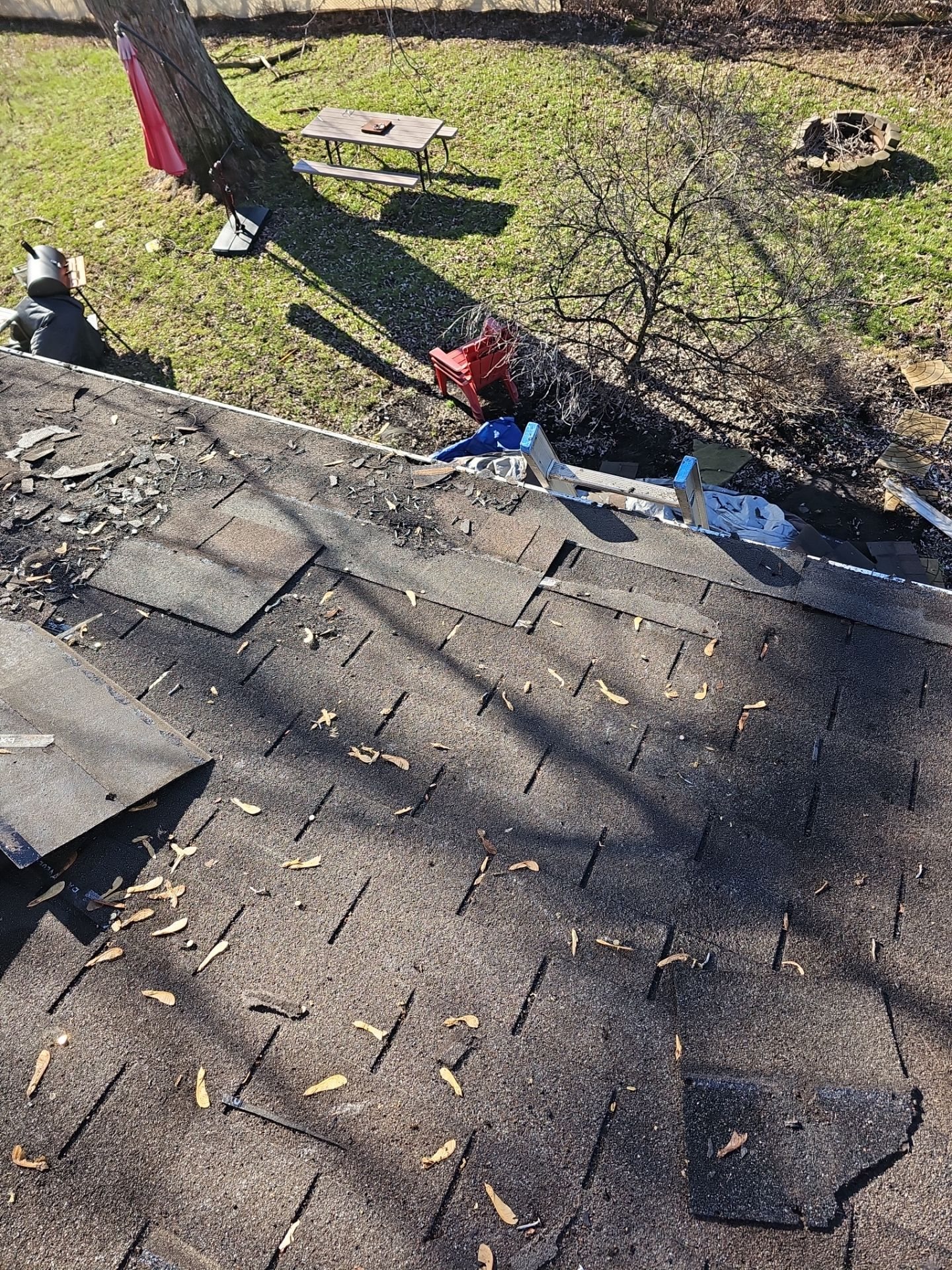
The biggest factor in most roof claims is cause. Adjusters look for patterns that point to a specific event: creased or torn shingles from wind uplift, bruised or fractured mats from hail, granule loss in random impact patterns, or punctures from debris.
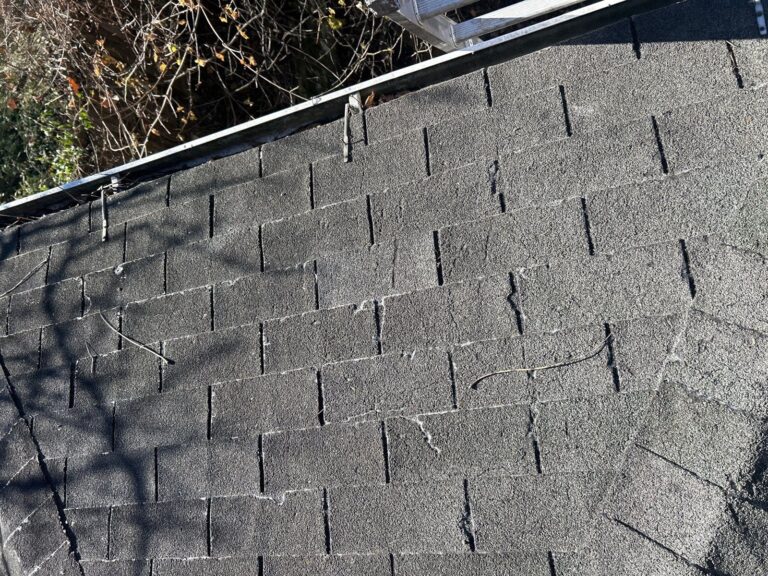
Wear looks different. Curling edges, even granule loss across an entire slope, cracking from years of sun and moss growth all point to age. If you’re not sure what hail marks look like, our guide to the signs of hail damage on asphalt shingles shows what adjusters look for.
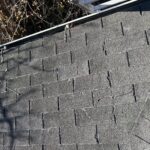
Worn old shingles with debris near the roof edge in East Pittsburgh. Alan Construction.
In Western Pennsylvania, freeze and thaw cycles also slowly work water under shingles and flashing, and adjusters usually classify that kind of long term moisture damage as maintenance rather than a covered loss. If your roof has both storm damage and age related wear, expect the adjuster to separate the two, and only the storm damage will be considered for payment.
How Do Adjusters Decide a Roof Can’t Be Repaired?
Once covered damage is confirmed, the question becomes whether a repair is a reasonable solution.
Damage Spread Across Multiple Slopes
Many adjusters use test squares, typically a 10 by 10 foot area on each slope, and count the number of hail or wind hits inside it. If damage on a slope crosses the carrier’s threshold, that slope is often approved for replacement. When multiple slopes qualify, a full replacement becomes much more likely.
Shingles Too Brittle to Repair
Older asphalt shingles lose flexibility over time. A common field test is to try lifting a shingle tab to see whether it can be removed and resealed without cracking. If surrounding shingles break when a roofer tries to replace damaged ones, a repair can cause more harm than the storm did. When that happens, adjusters may approve a larger section, or the entire roof, because a proper repair simply isn’t possible.
Matching and Discontinued Materials
Shingle styles and colors change, and manufacturers discontinue product lines. If replacement shingles don’t reasonably match the existing roof in color, size or profile, a patched roof can look noticeably uneven. How carriers handle matching varies by policy and company, so read your policy language and ask the adjuster directly how they address it.
How Building Codes Can Push a Claim Toward Replacement
Building codes can also shape the outcome. Most modern codes limit how many layers of roofing can be installed, so if your home already has two layers, a significant repair or another layer over the top may require tearing everything down to the deck.
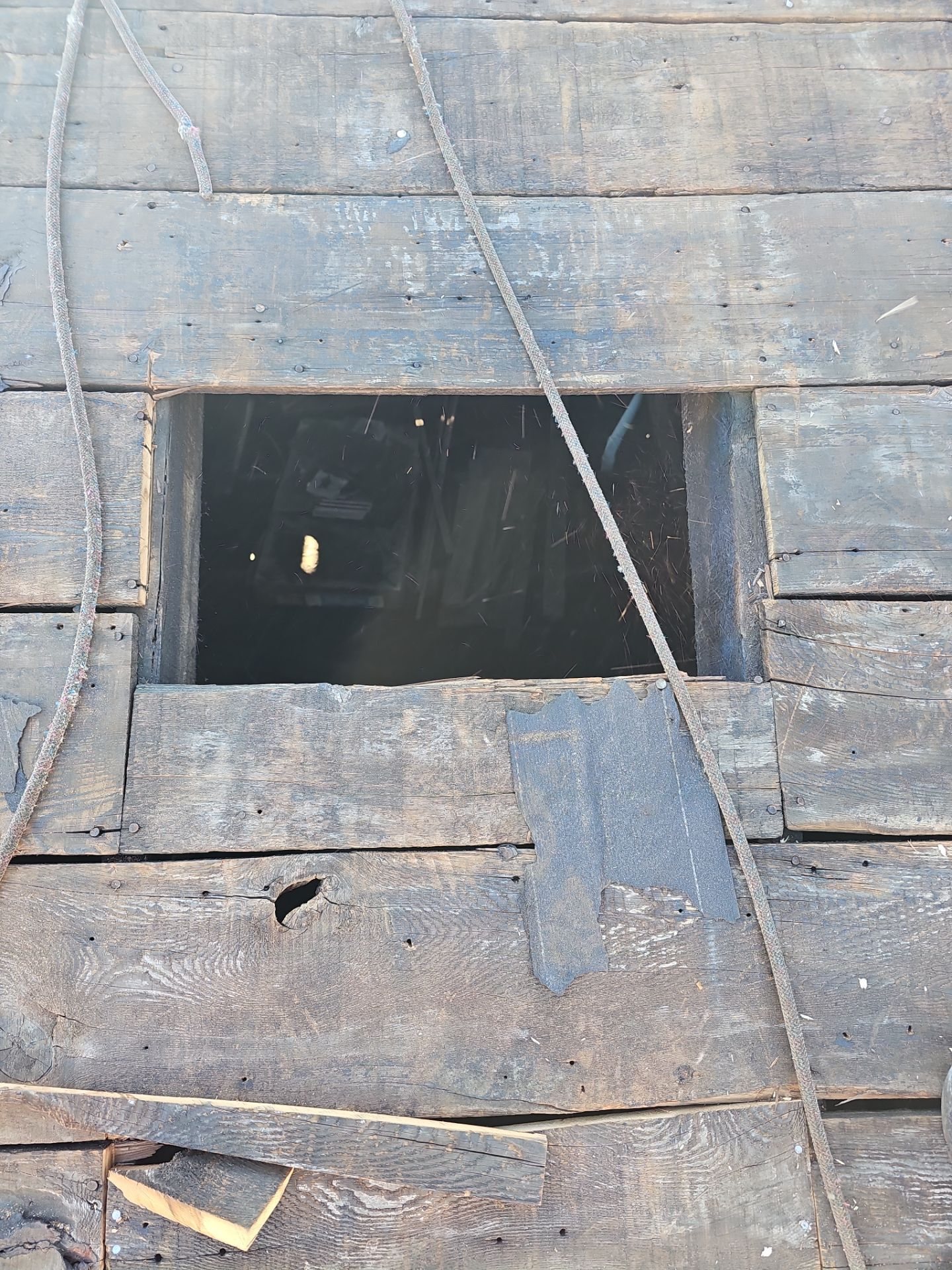
Code requirements for ice barrier underlayment along the eaves, drip edge and proper ventilation can also come into play when a large area is disturbed. Once the old layers are off, damaged decking like this has to be replaced before anything new goes on.
Large hole in old plank roof decking found after a tearoff in Pittsburgh. Alan Construction.
Whether those code required upgrades are paid for depends on whether your policy includes ordinance or law coverage. Many Pittsburgh homeowners don’t realize this is often a separate or limited coverage until they’re in the middle of a claim.
Why Your Policy Type Matters as Much as the Damage
Even when an adjuster approves a full replacement, your policy determines how much the insurance company actually pays. Replacement cost value (RCV) policies typically pay to replace the roof with comparable new materials, often in two stages: an initial payment, then the withheld depreciation once the work is completed. Actual cash value (ACV) policies subtract depreciation based on the roof’s age and condition, which can leave a significant gap on an older roof.
Some insurers also apply roof specific schedules or endorsements that reduce coverage as a roof ages, and your deductible may be a flat amount or a percentage tied to wind and hail claims. Pull out your declarations page and look for these terms before you file. Our post on how old a roof can be before insurance won’t cover it goes deeper on age clauses.
Pittsburgh Roofs and Insurance: Local Factors That Come Up
Pittsburgh’s housing stock adds its own wrinkles to roof claims. Many homes in neighborhoods built in the early 1900s have steep pitches, multiple dormers, chimneys and complex valleys, which make inspections harder and repairs more involved.
Some older homes still have slate, where individual pieces can sometimes be replaced, but matching aged slate and reaching steep sections affects both repairability and how the claim is assessed.
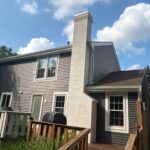
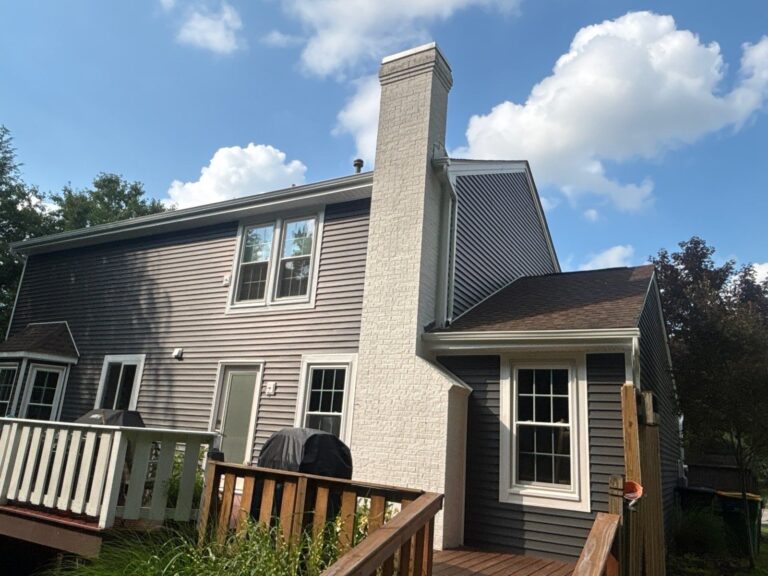
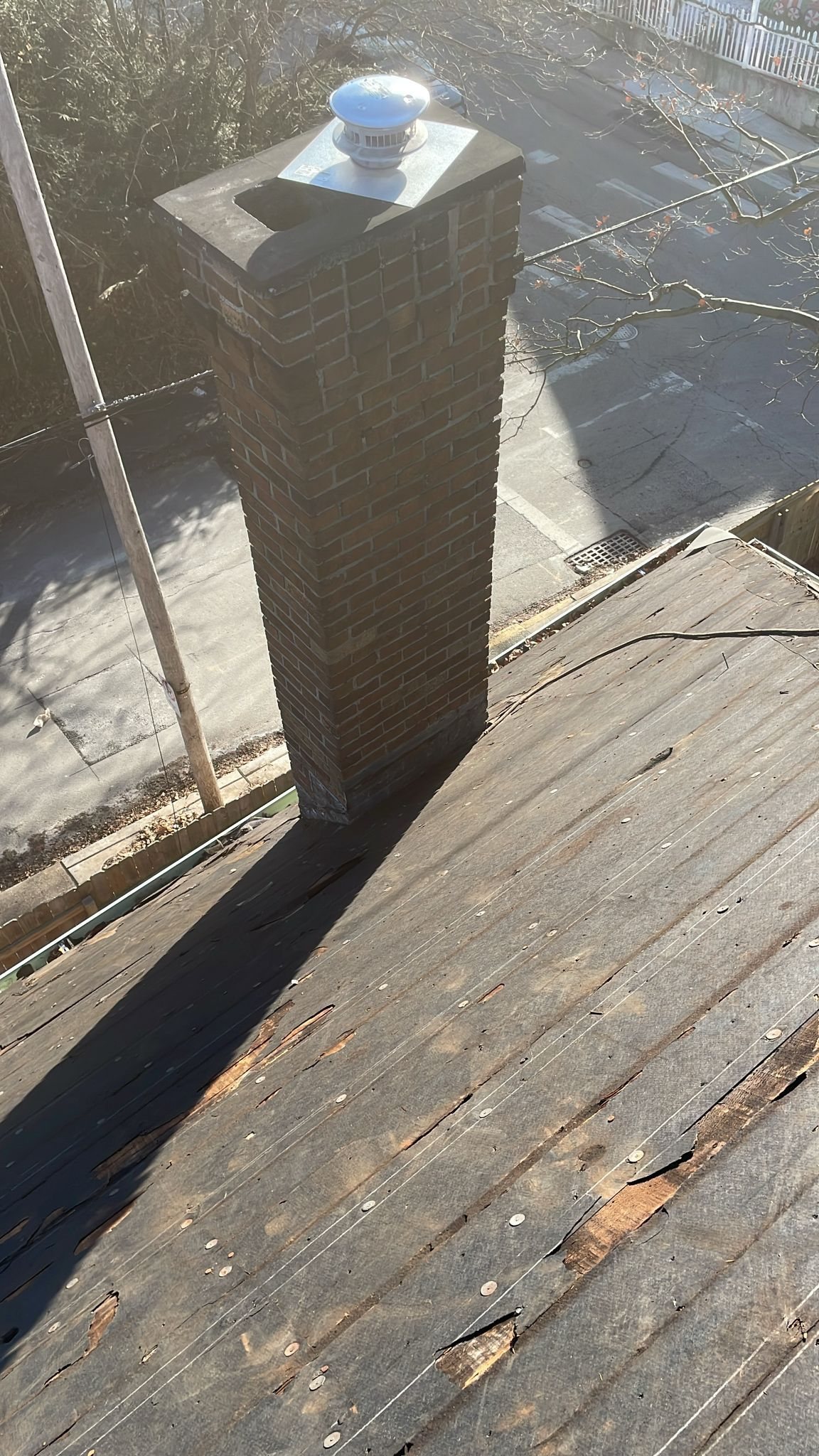
Brick chimney on a weathered older roof in Pittsburgh. Alan Construction.
Our region’s weather also complicates things. Strong summer thunderstorms bring wind and occasional hail, while winter brings heavy wet snow, ice dams and repeated freeze and thaw cycles that widen small openings over time. Because ice dam leaks and storm damage can look similar inside the house, document when damage first appeared and connect it to a specific weather event whenever possible. If you’re weighing the practical side apart from insurance, our guide on when to repair or replace a roof in Pittsburgh walks through that decision.
What to Do Before and During the Adjuster’s Visit
Take dated photos of any visible damage from the ground, along with interior signs like ceiling stains, and note the date of the storm. Make temporary protective repairs, such as tarping an opening, to prevent further damage, and keep receipts, since most policies expect you to limit additional loss.
Consider having a professional roofer inspect the roof before or during the adjuster’s visit. A contractor can point out damage that’s easy to miss on a quick walkthrough, such as hail bruising on the back slope, lifted shingles that resealed loosely, or damaged flashing and vents. How you describe the damage matters too, so read what not to say to a roof insurance adjuster before the visit.
Ask the adjuster for a copy of their estimate and inspection notes. If you disagree with the findings, most carriers allow you to request a reinspection or submit additional documentation, and your policy will outline the formal dispute process. If the claim is turned down entirely, see what to do when a roof insurance claim is denied.
Talk to a Pittsburgh Roofer Before You Settle Your Claim
An adjuster’s repair or replace decision is based on what they see during one visit, measured against your policy and the carrier’s guidelines. Having an experienced local roofer on your side helps make sure nothing gets missed, from hidden hail damage to code requirements that affect the scope of work.
Alan Construction has worked with Pittsburgh area homeowners since 2003 to inspect storm damage, document what’s there and explain whether a repair will truly hold up through another winter.
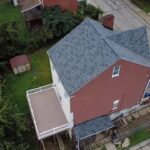
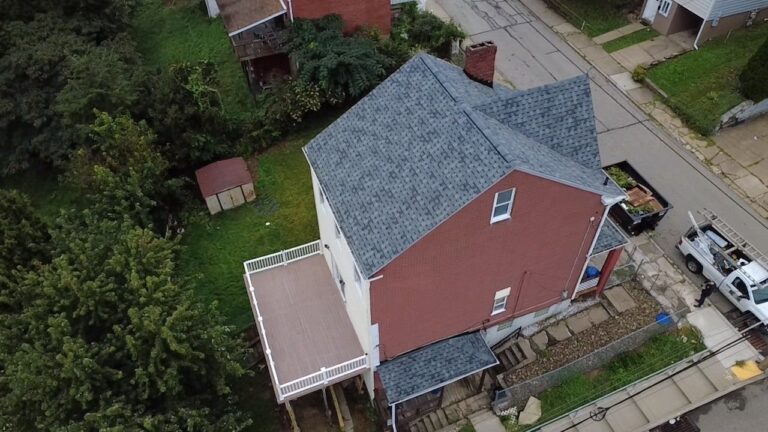
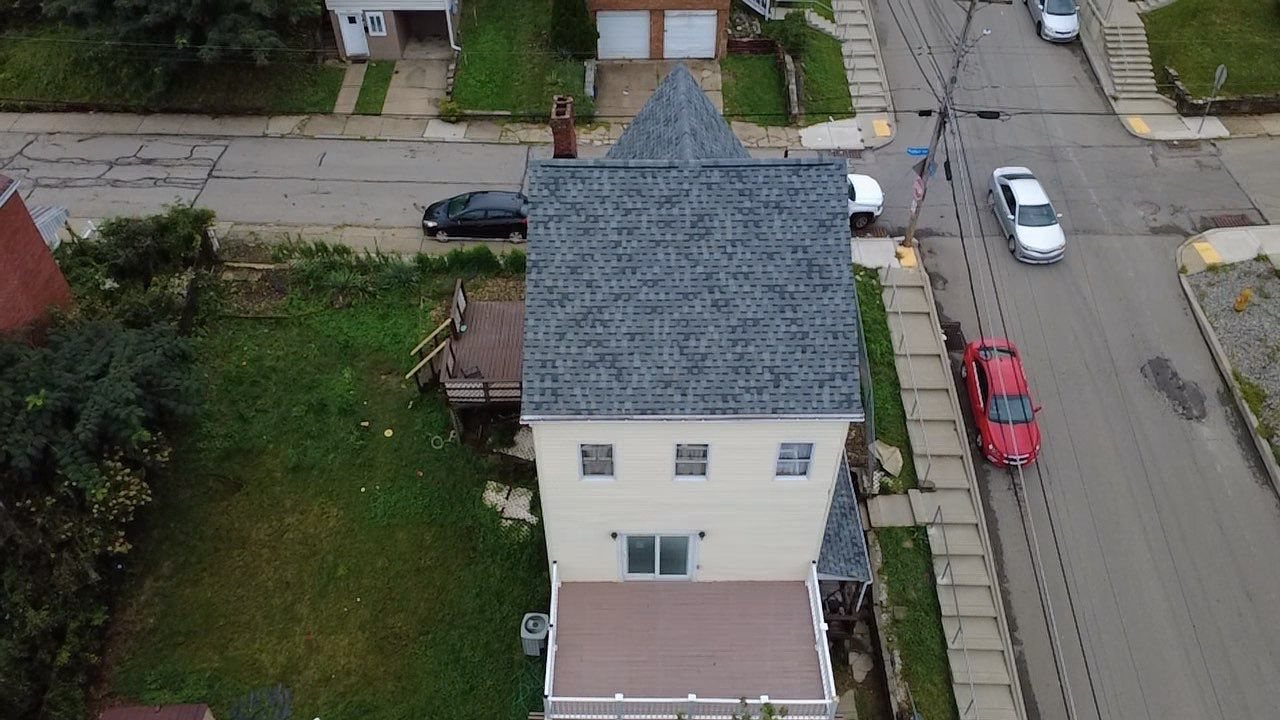
New gray hip roof on a cream house in Pittsburgh, seen from above. Alan Construction.
Not sure whether your roof needs a repair or a full replacement? Schedule a free, no obligation inspection and we’ll show you what we find before you settle your claim.