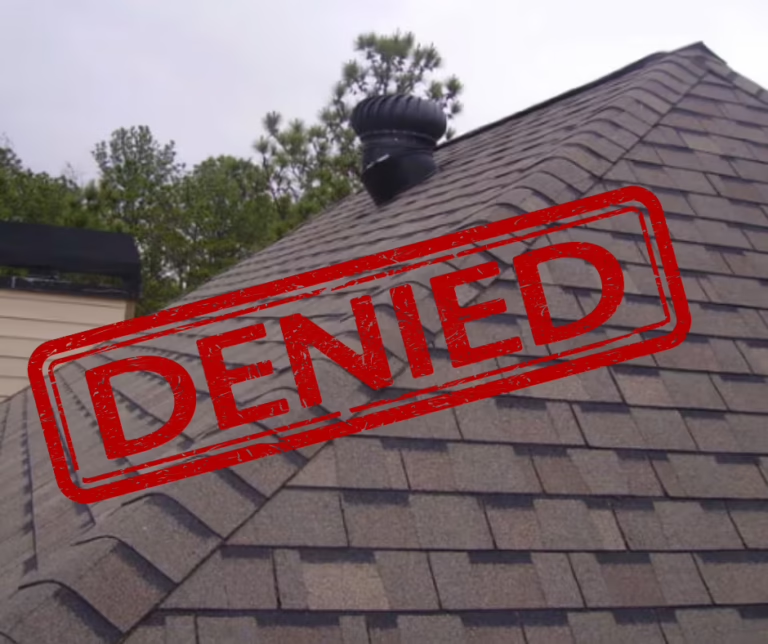
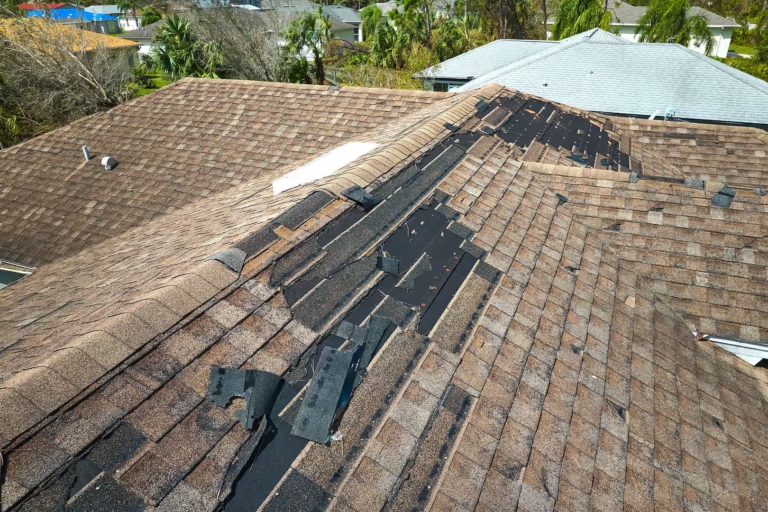
A roof insurance claim denied by your carrier isn’t always the final word. Most denials happen for a few reasons: the insurer decided the damage came from age or wear instead of a storm, the claim was filed too late, or the documentation didn’t support it. Many of these can be revisited with a professional inspection, stronger evidence, and a written request for reconsideration. For Pittsburgh homeowners, the first step is usually getting an honest, independent assessment of what actually happened to the roof, which is where an experienced storm damage repair contractor in Pittsburgh can help you understand where you stand before deciding what to do next.
Why Do Roof Insurance Claims Get Denied?
Insurance companies don’t deny claims at random. Every denial letter points to a specific reason, usually tied to policy language. Knowing which category your denial falls into tells you what kind of evidence or response might change the outcome.
The Insurer Blamed Wear and Tear
This is the most common reason roof claims are rejected. Homeowners policies generally cover sudden, accidental damage like wind or hail, not gradual deterioration. If the adjuster saw granule loss, curling shingles, or brittle materials and concluded the roof was simply worn out, the claim may be denied even if a storm made things worse. The line between “old roof” and “storm-damaged old roof” is often where disputes start.
The Damage Was Linked to Poor Maintenance
Clogged gutters, missing flashing, and long-ignored leaks can give an insurer grounds to argue the homeowner neglected the roof. If water damage inside the home looks like it built up over months rather than appearing after one event, the adjuster may classify it as a maintenance issue rather than a covered loss.
The Claim Wasn’t Filed Promptly
Most policies require you to report damage within a reasonable time after it happens, and some set specific windows. If a hailstorm hit in spring and the claim wasn’t filed until fall, the insurer may argue the delay made it impossible to separate storm damage from later wear. Check your policy for its exact reporting requirements.
The Cause of Damage Isn’t Covered
Some policies exclude certain types of damage outright, or limit coverage for older roofs to actual cash value instead of full replacement. Others include cosmetic damage exclusions, meaning dents in metal roofing or minor marks that don’t affect function may not qualify. Flooding, earth movement, and certain types of water intrusion are also commonly excluded.
The Documentation Didn’t Hold Up
A claim supported only by a few blurry phone photos is easy to reject. Without clear evidence of when the damage occurred, what caused it, and how extensive it is, the adjuster’s assessment usually carries the day. Weak documentation is also one of the most fixable reasons for a denial.
Why Pittsburgh-Area Roofs Face Extra Scrutiny
Western Pennsylvania weather is hard on roofs in ways that can complicate insurance claims. Freeze-thaw cycles through the winter work moisture into small cracks, and ice dams along eaves can push water under shingles. When an adjuster sees that kind of damage, it’s often categorized as gradual deterioration rather than a single covered event.
The region’s housing stock adds another layer. Many homes in Pittsburgh neighborhoods and surrounding boroughs are decades old, with steep pitches, multiple roof layers, dormers, and older flashing details. An older roof that has been patched over the years can make it harder to show that new damage came from a recent storm. Summer thunderstorms with strong straight-line winds and occasional hail, plus heavy, wet snow loads in winter, create real damage, but the evidence needs to clearly connect that damage to a specific event.
What Should You Do After a Roof Insurance Claim Is Denied?
A denial is frustrating, but reacting quickly and calmly gives you the best chance of a fair outcome. These practical steps apply to most situations.
Read the Denial Letter Carefully
The letter should state the reason for the denial and reference the policy language the insurer relied on. Highlight that language and compare it to your actual policy, including any endorsements. You need to know exactly what you’re responding to before you respond.
Request the Adjuster’s Report and Photos
You can ask your insurance company for a copy of the adjuster’s inspection report, notes, and photos. These show what the adjuster looked at, what they may have missed, and how they reached their conclusion. Sometimes an adjuster only inspected one slope of the roof or never went up on it at all.
Get an Independent Roof Inspection
A qualified local roofing contractor can inspect the entire roof, including areas the adjuster may not have checked closely, such as ridge caps, valleys, flashing, vents, and soft metals like gutters and downspouts that often show hail strikes. A detailed written assessment with photos gives you a second professional opinion to compare against the insurer’s findings.
Gather Supporting Evidence
Collect anything that helps establish when and how the damage happened. That can include dated photos, local weather reports or storm records for your area on the date in question, records of past roof maintenance or repairs, and receipts for any emergency work. The more clearly your evidence ties damage to a specific event, the stronger your position.
Ask for a Re-Inspection or Submit a Written Appeal
Most insurers have an internal process for reconsidering claims. You can request a re-inspection, ideally with your roofing contractor present, and submit your new evidence in writing. Keep the tone factual, reference specific findings, and keep copies of everything you send. When you meet with the adjuster again, how you describe the damage matters, so review our guide on what not to say to a roof insurance adjuster before the visit.
Protect Your Home in the Meantime
Don’t let a dispute turn into a bigger problem. If your roof is leaking, arrange temporary protection such as tarping, and document the work. Most policies expect homeowners to take reasonable steps to prevent further damage, and ongoing leaks can harm ceilings, insulation, and framing while the claim is being sorted out.
How Can a Roofing Contractor Help With a Denied Claim?
A roofing contractor can’t make legal arguments or negotiate on your behalf as a licensed representative, but they can provide something insurers take seriously: a clear, professional explanation of the roof’s condition. That means identifying storm-related damage patterns, distinguishing them from normal aging, and documenting findings in a way that’s easy for an adjuster to review.
A contractor can also attend a re-inspection to point out damage directly and answer technical questions about materials, installation, and repair scope. When you’re choosing someone, look for a local company that’s familiar with Western Pennsylvania roofing conditions, provides written findings with photos, and is honest about whether the damage truly appears storm-related. A good contractor will tell you when a claim isn’t likely to succeed, too.
When Should You Seek Additional Help?
If a re-inspection and appeal don’t resolve things, you still have options. Many policies include an appraisal clause, which provides a process for settling disagreements about the amount of a loss. Homeowners can also file a consumer complaint with the Pennsylvania Insurance Department if they believe a claim was mishandled.
For larger disputes or questions about how your policy should be interpreted, consider speaking with a licensed public adjuster or an attorney who handles insurance matters. They can explain your rights and options in ways a contractor can’t. This article isn’t legal advice, and policy terms vary widely, so professional guidance is worth seeking when the stakes are high.
How Can You Avoid a Roof Claim Denial in the Future?
Prevention starts long before a storm. Schedule periodic roof inspections, especially after harsh winters, and keep the reports. Clean gutters regularly so water and ice don’t back up under shingles, and address small issues like loose flashing or damaged shingles before they spread.
Take dated photos of your roof when it’s in good condition so you have a baseline to compare against later. After any significant storm, check for visible damage from the ground, look for shingle debris or dented gutters, and report damage promptly. Finally, review your policy each year so you understand your coverage type, exclusions, and reporting requirements before you ever need to file.
Frequently Asked Questions
Can I reopen a denied roof insurance claim?
In many cases, yes. Insurers often reconsider claims when homeowners provide new evidence, such as an independent inspection report or additional photos. Check your policy and denial letter for any deadlines that apply.
Does my roof’s age automatically disqualify a claim?
Not necessarily. An older roof can still suffer covered storm damage. However, age may affect how much the policy pays, and the insurer may look more closely at whether the damage is storm-related or the result of wear.
Should I repair my roof before the claim is resolved?
Temporary repairs to prevent further damage are usually appropriate and often expected. Hold off on permanent repairs or replacement until the damage has been fully documented and inspected, unless your insurer approves otherwise.
Is it worth filing again if my claim was denied once?
It depends on the reason for the denial and whether you have new information. If the original inspection missed damage or your documentation was thin, a second look backed by better evidence may lead to a different result.
Get a Professional Second Opinion on Your Roof
A denied claim can leave you unsure whether your roof needs repairs, whether the insurer got it right, and what to do next. Getting a thorough, honest inspection is the clearest way to answer those questions. If you’re a Pittsburgh-area homeowner dealing with a roof insurance claim denied after a storm, Alan Construction can inspect your roof, document what we find, and explain your repair options in plain terms. Learn more about our storm damage repair services in Pittsburgh and contact our team to schedule an inspection.