Should you patch, recoat or replace a flat roof? Patch it when the damage is small and isolated, recoat it when the membrane is still sound but showing its age, and replace it when leaks keep coming back, the material underneath is wet, or the roof has reached the end of its life. Condition matters more than age.
That’s the short answer, but the right call for your porch, rowhouse addition or garage depends on what’s actually happening under the surface. Flat roofs hide problems well, and a leak showing up in your ceiling may have started several feet away. Below, we walk through how each option works, when it makes sense, and what to look for before you call anyone for a roof repair in Pittsburgh.
Why do flat roofs struggle in Pittsburgh?
Flat and low slope roofs are everywhere around Pittsburgh, from the back additions on city rowhouses to porch roofs and detached garages all over Allegheny County. They’re practical, but our climate is hard on them. Winters here swing above and below freezing again and again, and every time water seeps into a small crack, freezes and expands, that crack gets a little bigger.
Drainage is the other big issue. A flat roof should still have a slight pitch toward a drain, scupper or gutter, but older homes settle over time, and many porch and addition roofs were never pitched well to begin with. Water that sits for more than a couple of days after a storm, known as ponding, breaks down roofing materials faster and finds every weak seam. Add heavy, wet snow and downspouts clogged with fall leaves, and it’s easy to see why flat roofs here need regular attention.
What are the signs your flat roof needs attention?
Some warning signs are obvious, like water stains on the ceiling or a drip during heavy rain. Others are easy to miss unless you get up on the roof or look closely from an upstairs window. Watch for:
- Standing water that remains 48 hours after rain
- Blisters, bubbles or soft spots in the roofing surface
- Cracks, splits or alligator style cracking on older tar or modified bitumen roofs
- Seams or edges lifting, especially on rubber (EPDM) roofs
- Flashing pulling away from walls, chimneys or where a porch roof meets the house
- Moss, algae or plants growing in low spots
- Sagging areas, which can point to wet or damaged decking
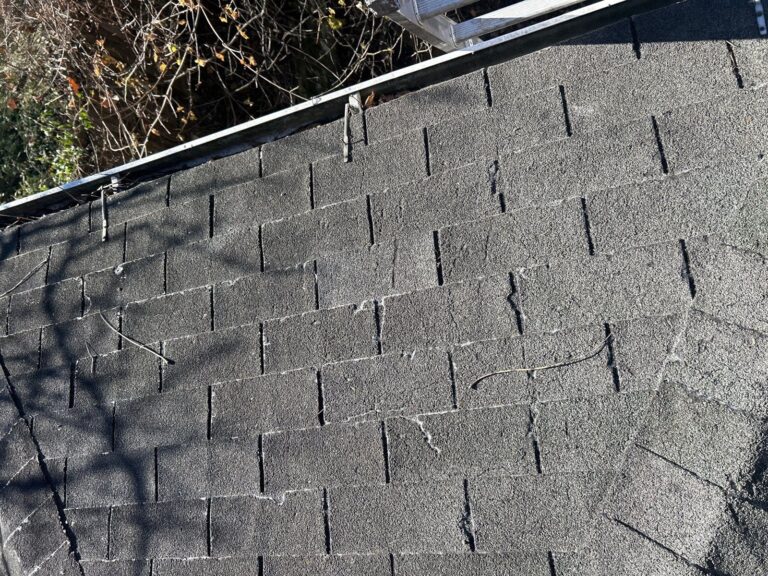
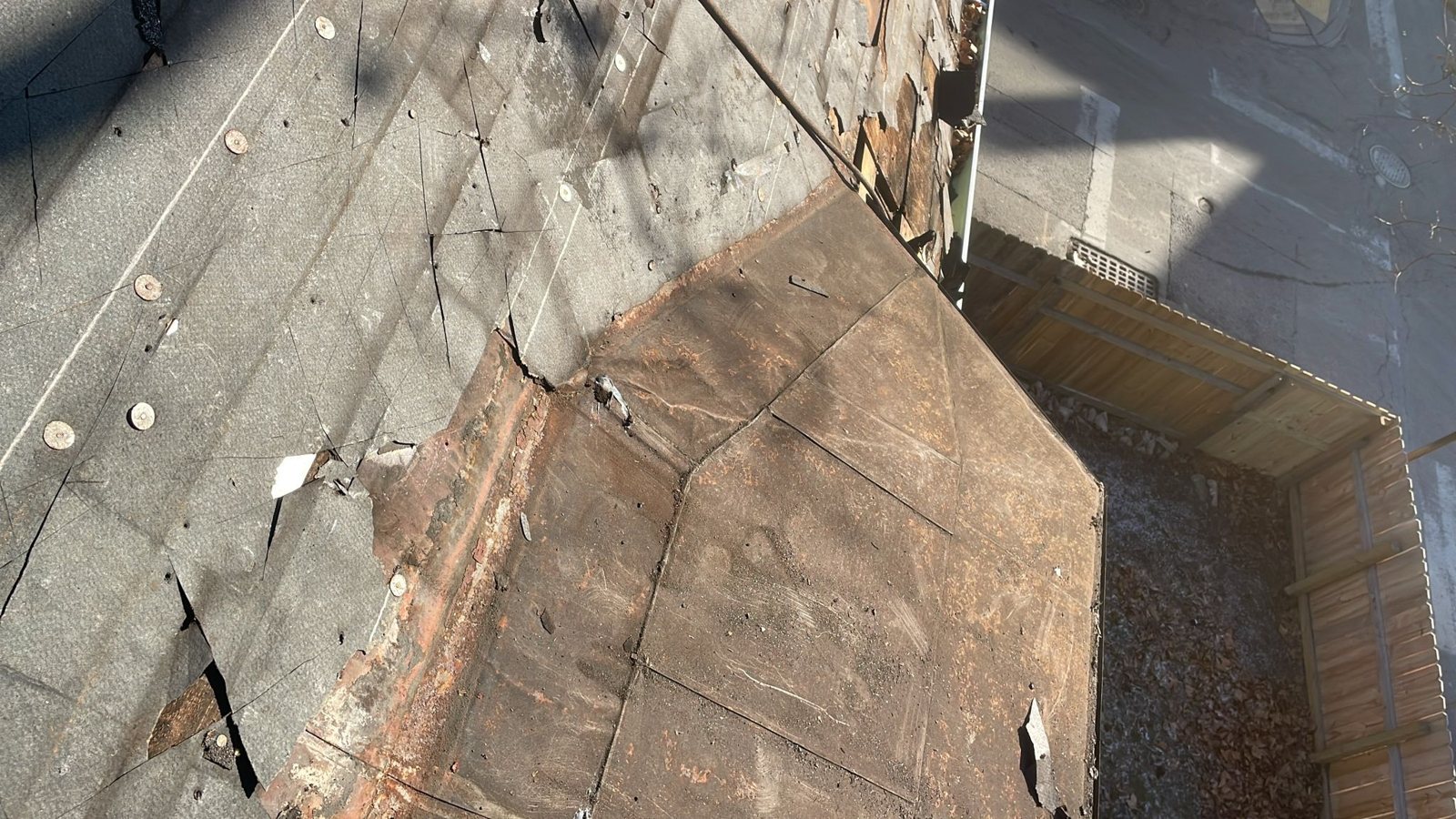
Worn rolled roofing and old flashing on a low slope roof in Pittsburgh, Alan Construction.
If you notice any of these, have the roof looked at before winter sets in. Small problems found in the fall are almost always easier to handle than the ones discovered in February.
When does patching a flat roof make sense?
Patching is the right choice when the damage is limited to one spot and the rest of the roof is in good condition. A puncture from a fallen branch, a failed seam, a small blister, or flashing that has come loose around a vent pipe are all good candidates for a targeted repair.
The key is making sure the patch is compatible with the existing roof. Rubber needs to be repaired with rubber compatible primer and patch material, and modified bitumen needs its own approach. A quick fix with the wrong product or a bucket of roofing tar might stop a leak for a season, but it often fails during the next stretch of freezing and thawing, and it can make a proper repair harder later.
Patching stops making sense when you’re chasing leaks year after year. If a roof needs several patches in different areas, that’s usually a sign the whole system is wearing out.
When is recoating the better choice?
Recoating means applying a liquid coating, such as silicone or acrylic, over the existing roof to create a fresh, seamless waterproof layer. It can extend the life of a roof that’s aging but still structurally sound, and a light colored coating reflects sunlight, which helps on hot summer days.
Recoating works best when the membrane is weathered rather than failing. The surface has to be cleaned and prepped, minor repairs have to be made first, and the layers and decking underneath must be dry. Coating over trapped moisture seals the problem in, and it keeps deteriorating out of sight.
When is it time to replace your flat roof?
Replacement is the right move when the problems go beyond the surface. That includes widespread leaks, several layers of old roofing already stacked on the house, wet material under the membrane, rotted or sagging decking, or a membrane that’s cracked and brittle across most of the roof. At that point, patching and recoating only buy time.
Replacement also gives you a chance to fix the root causes. The pitch can be corrected so water runs to the drain, flashing can be renewed where the roof meets brick walls and parapets, and the deck can be repaired while it’s exposed.
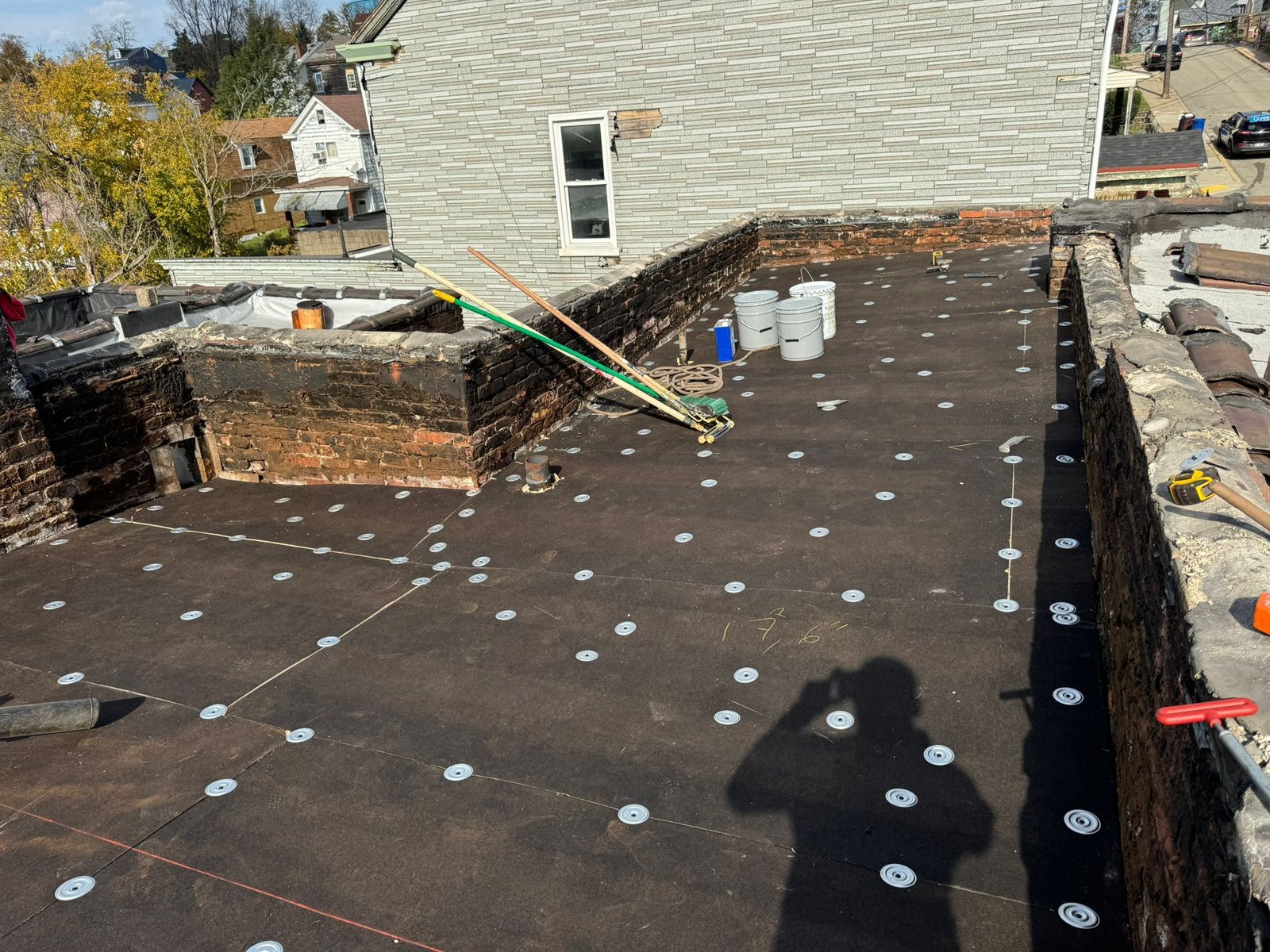
A new flat roof base sheet fastened with round plates between brick walls in Pittsburgh, Alan Construction.
Many Pittsburgh homeowners choose EPDM rubber for replacement because it handles temperature swings well, and it’s the flat roof system we install. You can read more about why in our post on the rise of rubber flat roofs in Pittsburgh, and if you’re weighing membranes, our guide to EPDM vs TPO for flat roofs on Pittsburgh homes compares the two side by side.
Patch, recoat or replace: a quick comparison
| Option | Best for | Not a fit when |
|---|---|---|
| Patch | One puncture, a failed seam, loose flashing at a vent | Leaks keep showing up in new places |
| Recoat | A weathered but dry roof with a solid deck | There’s an active leak or trapped moisture |
| Replace | Widespread leaks, soft decking, several old layers | The roof is young and the damage is isolated |
How does the choice differ for porches, rowhouses and garages?
Porch roofs
Porch roofs are small, but they take a beating. They often sit right below a gutter line, collect runoff from the main roof, and have flashing where they tie into the house. Many leaks start at that connection point, which means a flashing repair may solve the problem. If the porch ceiling shows sagging or rot, though, the decking likely needs attention, and replacement is the safer path.
Rowhouse and addition roofs
City rowhouses often have flat roofs bordered by party walls and parapets. Flashing along shared walls is a common trouble spot, and older built up tar roofs may have been layered over more than once. These roofs deserve a careful inspection, since stacked layers can hide moisture and make recoating a poor investment.
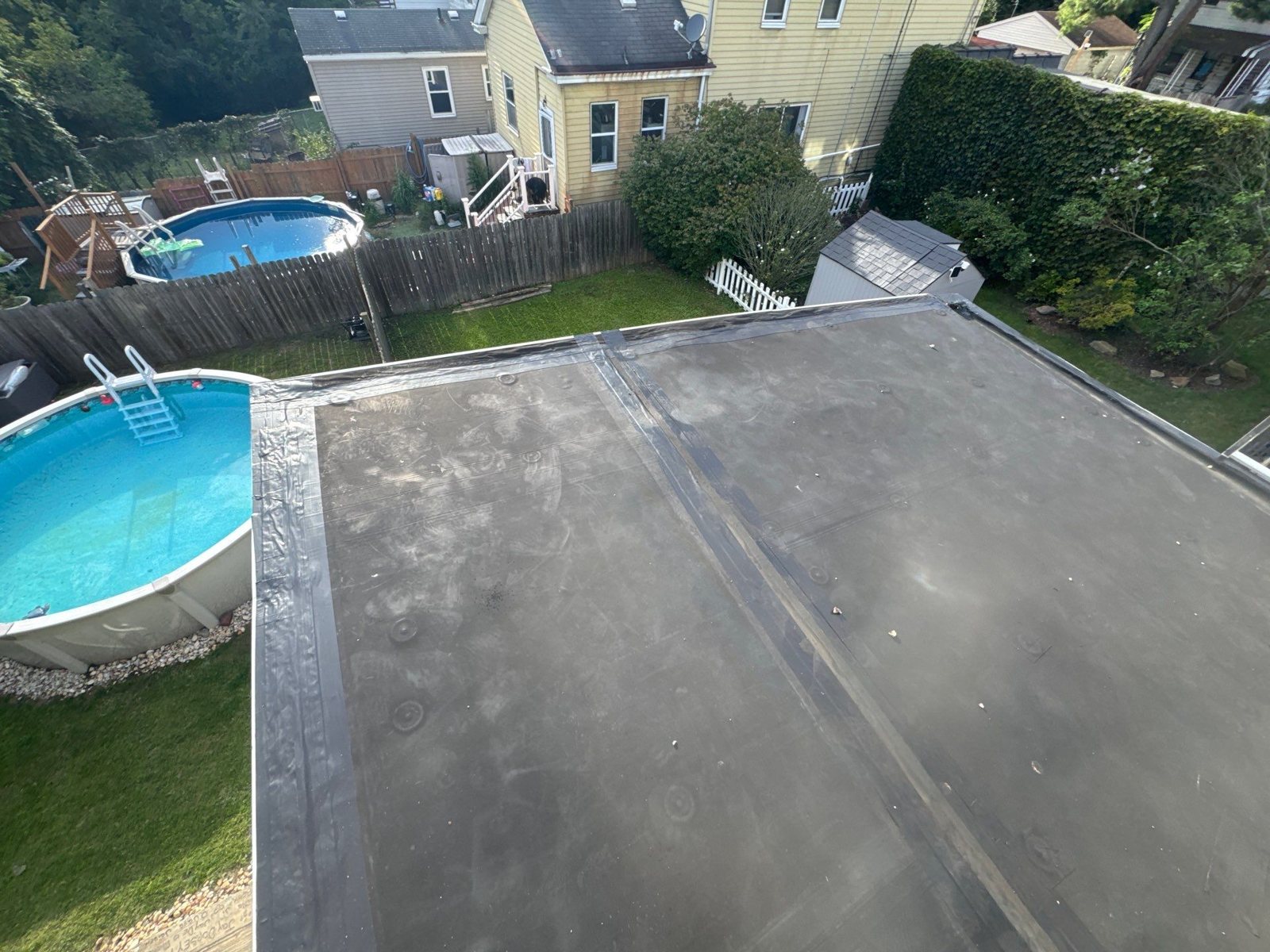
Black rubber flat roof over a back addition beside a backyard pool in Pittsburgh, Alan Construction.
Garage roofs
Detached garages usually get less maintenance than the house, so problems can go unnoticed for years. Because garages often aren’t heated, small leaks may not seem urgent, but water can rot the decking and framing quickly. If the structure is still solid, patching or recoating can work well. If the roof deck is soft, plan for replacement.
What should you expect when hiring a flat roof contractor?
A good contractor starts with an inspection rather than a sales pitch. That means getting on the roof, checking seams and flashing, looking at drainage, and checking for moisture under the surface. They should explain what they found and why they’re recommending a patch, a coating or a replacement.
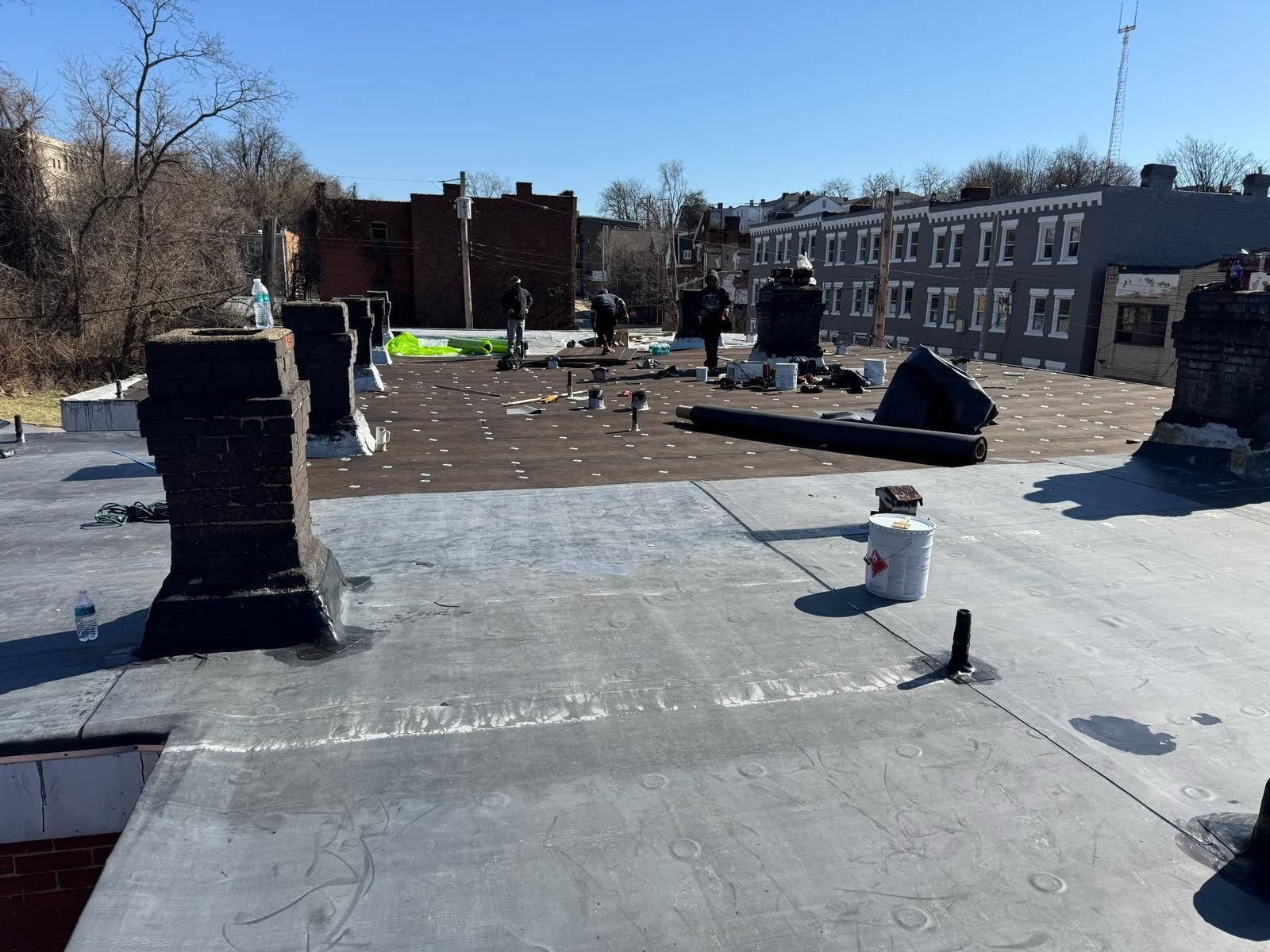
Chimneys and vent pipes deserve extra attention, because every penetration is a place where the membrane has to be sealed by hand.
A new flat rubber roof with chimneys and vent pipes in Pittsburgh, Alan Construction.
What affects the cost of flat roof repair?
Every roof is priced on its own conditions. The main factors are the size of the roof, the type of existing material, how many layers need to come off, whether decking needs replacing, access to the roof, and any drainage improvements. Rowhouses with tight access, or roofs where materials have to be carried through narrow alleys, add work. A written estimate should spell each of these out.
Questions to ask before you hire
- Are you registered as a Pennsylvania home improvement contractor and insured?
- What material do you recommend for my roof, and why?
- How will you handle wet layers or damaged decking if you find them?
- What warranty covers the materials and the labor?
Clear, direct answers are a good sign you’re working with someone who knows flat roofs. Alan Construction has served Pittsburgh since 2003, is registered as PA HIC #126638, and gives free, no obligation estimates.
Get your flat roof checked before winter
The sooner a problem is caught, the more options you’ll have. A small patch this fall can prevent a full replacement after a hard winter.
Not sure whether your flat roof needs a patch or a new membrane? Request a free estimate and we’ll take a look and tell you straight.