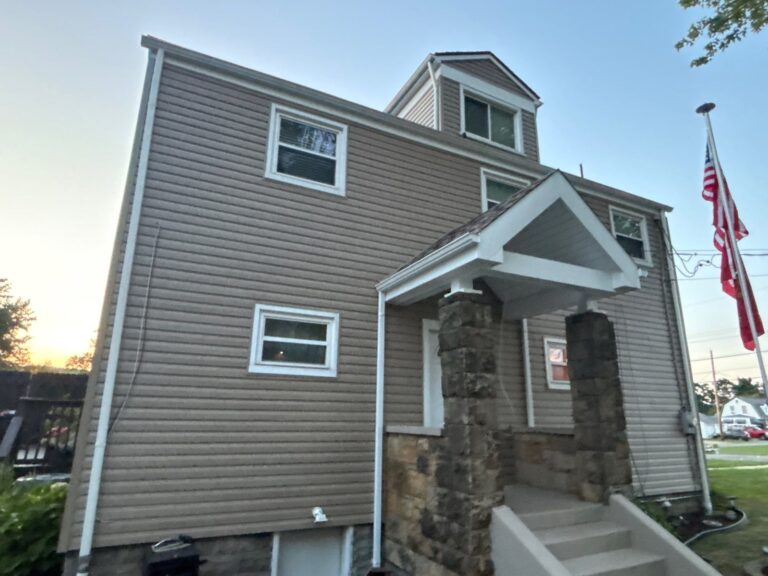
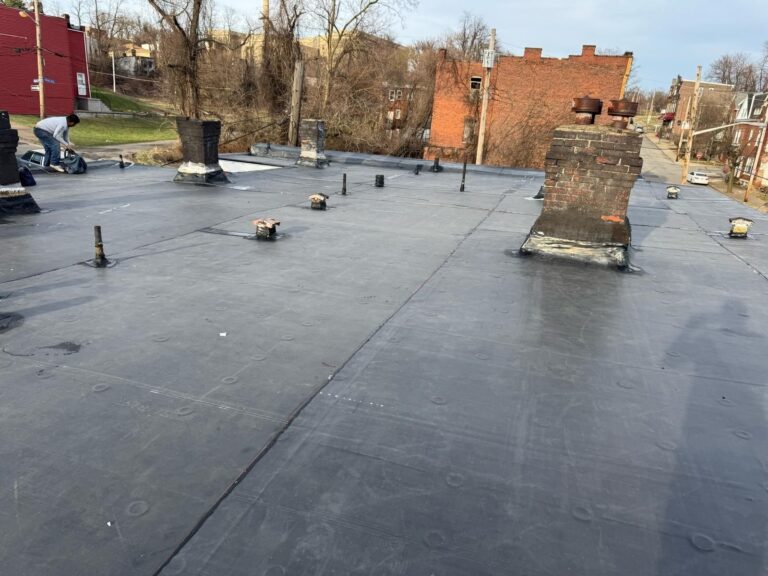
EPDM vs TPO: for most Pittsburgh homes, EPDM rubber is the better flat roof choice. It stays flexible through our freeze and thaw winters, handles snow and ice without cracking, and has a long record of cold weather performance. TPO reflects summer heat and has strong welded seams, but EPDM’s durability and easy repairs are why it’s the flat roof system we install and recommend.
That said, the right membrane still depends on your roof’s size, slope, drainage and how the space underneath is used. If your flat roof is leaking, blistering or simply getting old, our flat rubber roof installation project shows what a full EPDM replacement looks like from tear off to finished seams.
Short answer: EPDM wins on cold weather flexibility and easy repairs, TPO wins on summer reflectivity. On a typical Pittsburgh porch, addition or garage roof, winter matters more.
What is EPDM roofing?
EPDM (ethylene propylene diene monomer) is a synthetic rubber membrane that has been used on low slope roofs for decades. When homeowners talk about a “rubber roof,” this is almost always what they mean. It usually comes in large black sheets, which means fewer seams across a typical porch roof, rear addition or garage.
The membrane is fully adhered or mechanically fastened over a base layer, and seams are joined with specialized tape and primer. Because it is rubber, EPDM stretches and recovers as temperatures change. That elasticity is the main reason it has such a long track record in cold climates like Western Pennsylvania.
What is TPO roofing?
TPO (thermoplastic polyolefin) is a newer single ply membrane, used mostly on commercial buildings. It is typically white, which reflects sunlight and can help keep the rooms below cooler in summer. TPO seams are hot air welded, fusing the sheets into one continuous layer that is very strong when installed correctly.
The material is stiffer than EPDM, and manufacturers have adjusted their formulas over the years as the product matured. TPO is a solid roofing system, but it was designed with large, sunny commercial roofs in mind more than older homes. We install EPDM, so if a TPO roof truly fits your building better, we’ll tell you that honestly.
How do EPDM and TPO handle Pittsburgh weather?
Pittsburgh roofs deal with a little of everything: humid summers, heavy rain, wet snow, and winters that bounce above and below freezing for months. Those swings matter more on a flat roof than on a pitched one, because water sits longer and the membrane is always expanding and contracting.
Freeze and thaw cycles
Our winters bring freeze and thaw cycle after cycle. Every one of them pushes and pulls on the roof membrane, the flashing and the seams. EPDM stays flexible well below freezing, so it moves with the building instead of fighting it.
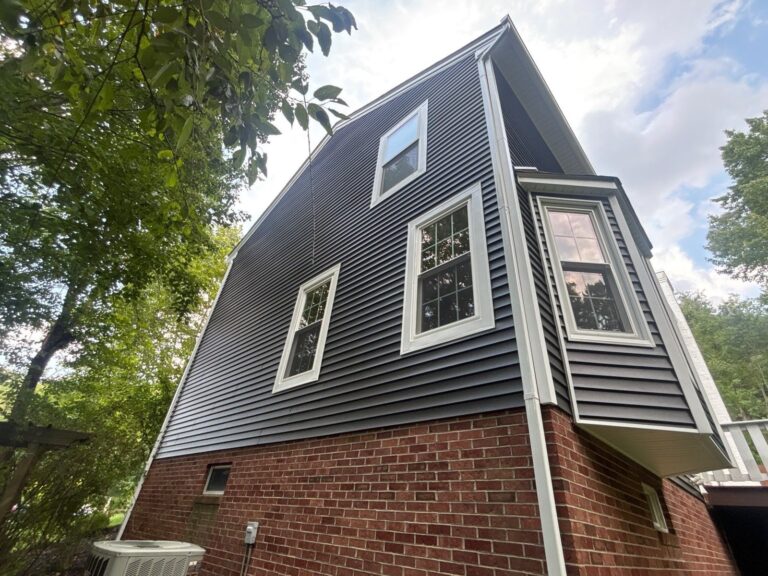
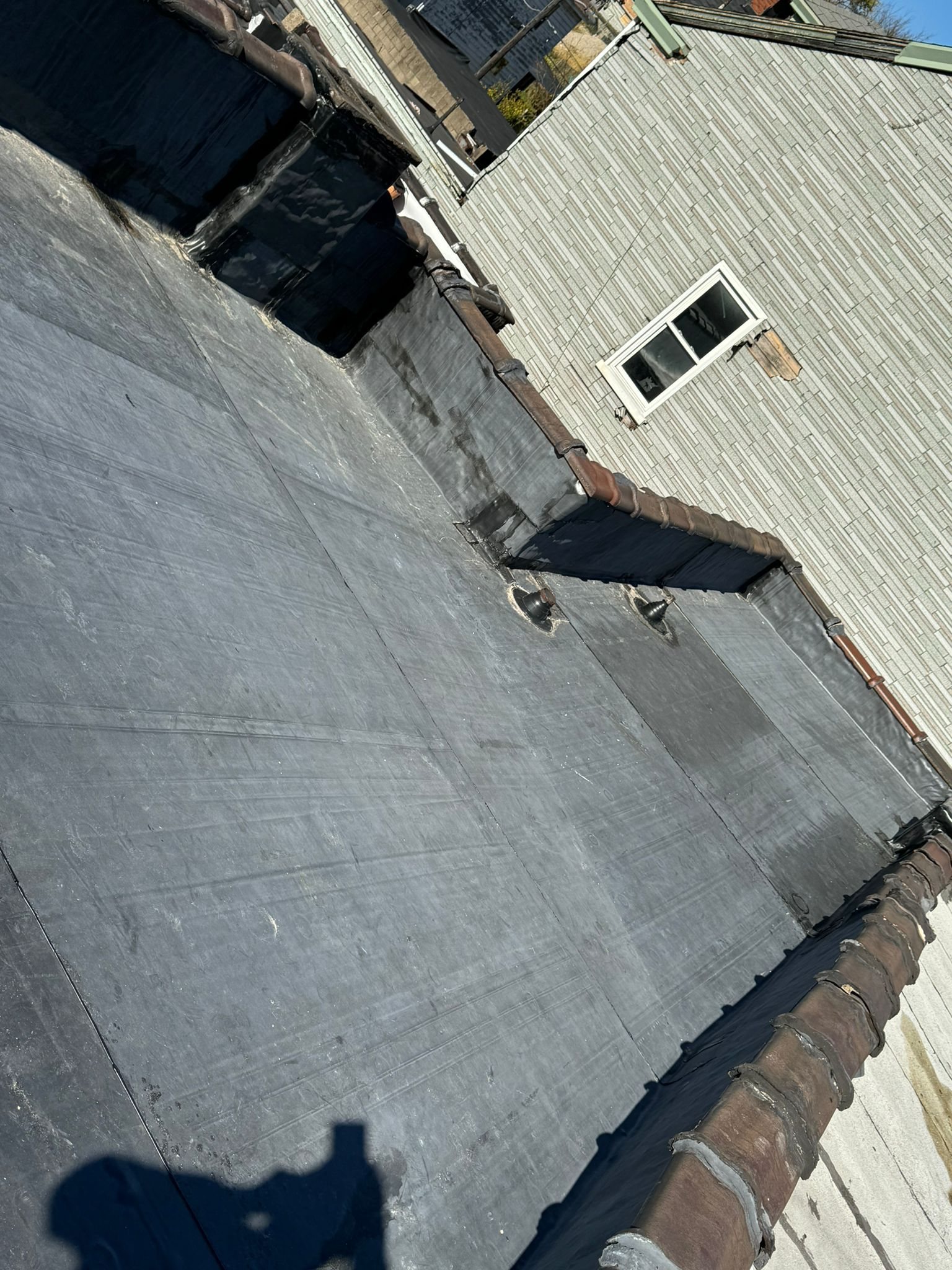
TPO is more rigid, and while a quality install holds up, it is less forgiving when temperatures swing hard and often. The wall joint in this photo is exactly where that movement shows up first.
A black flat roof membrane meeting a sided wall in Pittsburgh, Alan Construction.
Snow, ice and standing water
Flat roofs on Pittsburgh rowhouses and older homes often have imperfect drainage, with ponding near parapet walls and scuppers. EPDM tolerates standing water and ice well, and its dark surface absorbs sunlight, which helps snow melt off sooner. TPO also resists ponding water, but ice and debris packed around drains put extra stress on welded seams at corners and penetrations.
Summer heat
This is where TPO earns its points. A white TPO roof reflects heat, which can make a top floor bedroom more comfortable in July and August. EPDM gets hot in direct sun, though a white topped EPDM sheet can narrow that gap. For most Pittsburgh homeowners, winter performance matters more than summer reflectivity over the life of the roof.
EPDM vs TPO at a glance
| Factor | EPDM rubber | TPO |
|---|---|---|
| Cold weather flexibility | Excellent, stays flexible below freezing | Good, but stiffer |
| Seams | Taped and primed | Hot air welded |
| Summer heat | Absorbs heat (black) | Reflects heat (white) |
| Repairs years later | Simple clean, prime and patch | Aged surface can resist new welds |
| Track record | Decades on homes in cold climates | Newer, mostly commercial |
Seams, leaks and long term durability
Most flat roof leaks start at seams, flashing and penetrations rather than in the middle of the membrane. TPO’s welded seams are a real advantage when the crew is experienced and the weather cooperates.
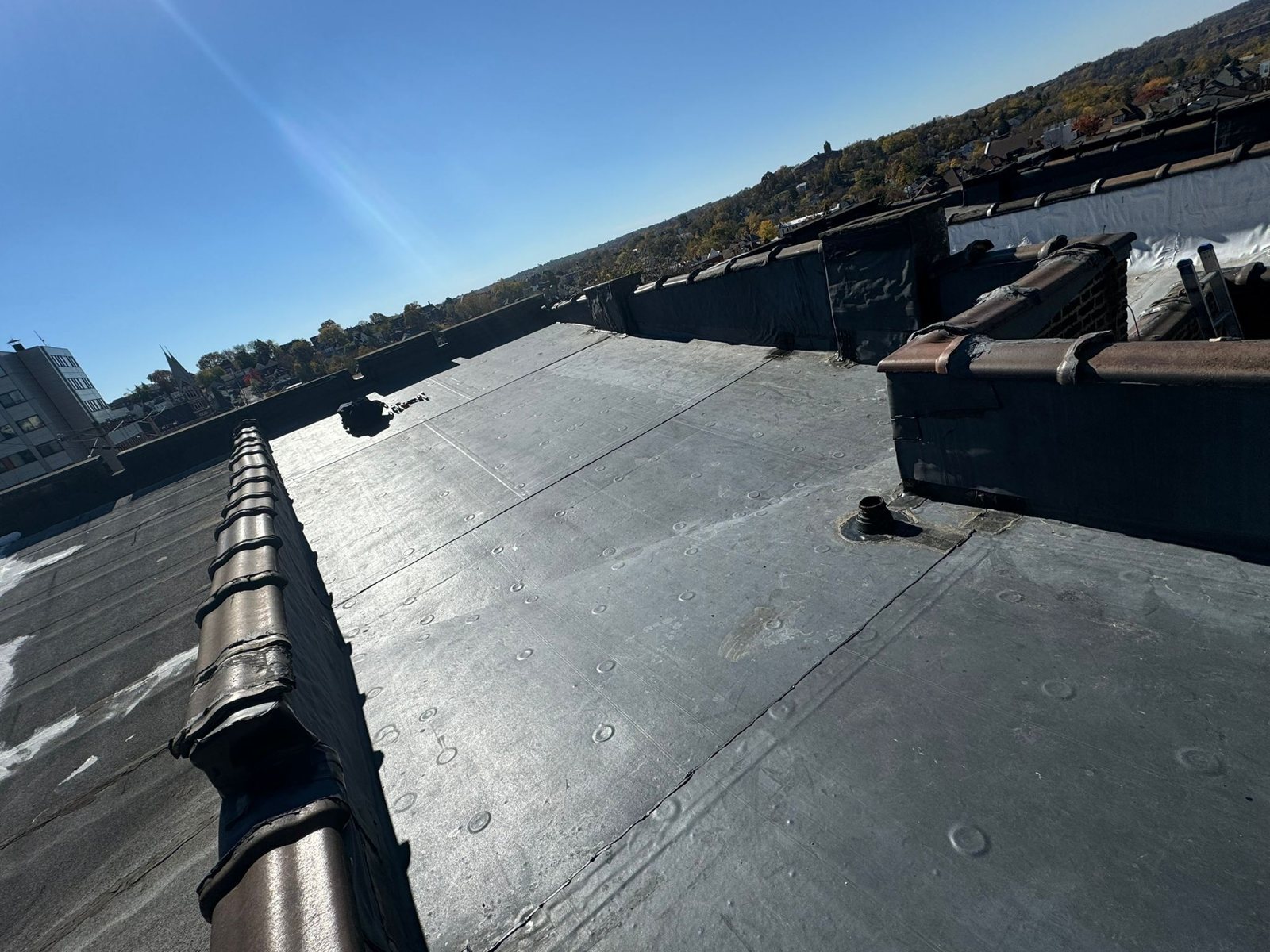
EPDM’s taped seams depend on careful surface preparation, and modern seam tapes are far more reliable than the adhesives used years ago. A well installed EPDM roof can last for decades, and its performance history is long and well documented. TPO’s lifespan is generally strong too, but early formulations didn’t always age as well as expected.
A black flat roof membrane with a parapet and seams in Pittsburgh, Alan Construction.
Which is easier to repair and maintain?
EPDM is one of the easiest flat roofing materials to repair. A puncture from a fallen branch or a dropped tool can usually be cleaned, primed and patched in a single visit, even years after installation. Aged TPO can be harder to fix because the weathered surface doesn’t always accept new welds without extra preparation. That difference matters in Pittsburgh, where storms, tree limbs and HVAC service visits are common causes of roof damage. Our post on whether to patch, recoat or replace a flat roof covers the repair side in more detail.
Simple maintenance habits for either roof
- Clear leaves and debris from drains, scuppers and gutters each fall before freezing weather arrives.
- Check flashing around chimneys, vents and skylights after major storms.
- Avoid walking on the roof more than necessary.
- Schedule a professional inspection every year or two so small issues get caught early.
Signs your flat roof needs attention
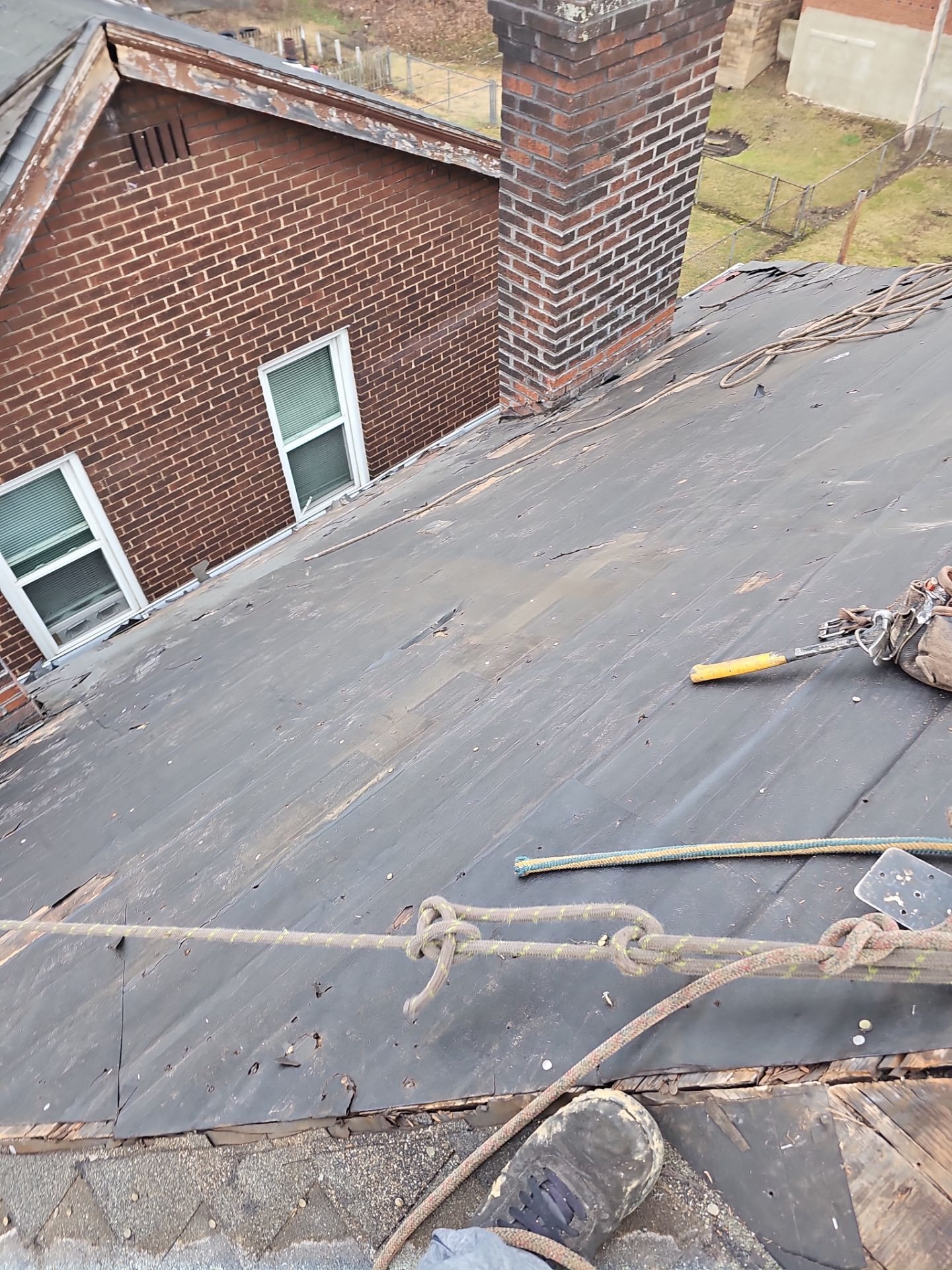
Watch for water stains on ceilings below the roof, bubbles or blisters in the membrane, seams that are lifting or separating, and puddles that linger more than a couple of days after rain.
Cracked or pulling flashing along walls and chimneys is another common warning sign on older Pittsburgh homes. If you notice any of these, have a roofer decide whether a repair will do or whether a new membrane makes more sense.
Old, worn low slope roofing near a brick chimney in Pittsburgh, Alan Construction.
What affects the cost of a flat roof replacement?
Every flat roof project is priced on its own conditions, so we don’t quote numbers without seeing the roof. The main factors are the size of the roof, the condition of the deck underneath, and whether old layers need to be torn off. Drainage corrections such as new scuppers, and the number of penetrations like vents and skylights, also play a role. Access matters too, since tight lots and steep city streets affect how materials are delivered and removed. A detailed, written estimate should spell out each item so you can compare contractors fairly.
Why we recommend EPDM for most Pittsburgh homes
For the typical Pittsburgh home with a flat porch roof, rear addition, garage or low slope main roof, we recommend EPDM. It handles our winters without cracking, it holds up well to ponding water on older roofs with imperfect drainage, and it is straightforward to repair for decades after installation.
TPO can still make sense in some situations, such as a large, sun exposed roof over living space where cooling is the priority. The point is to choose based on your home. For more background, see why rubber flat roofs are catching on in Pittsburgh.
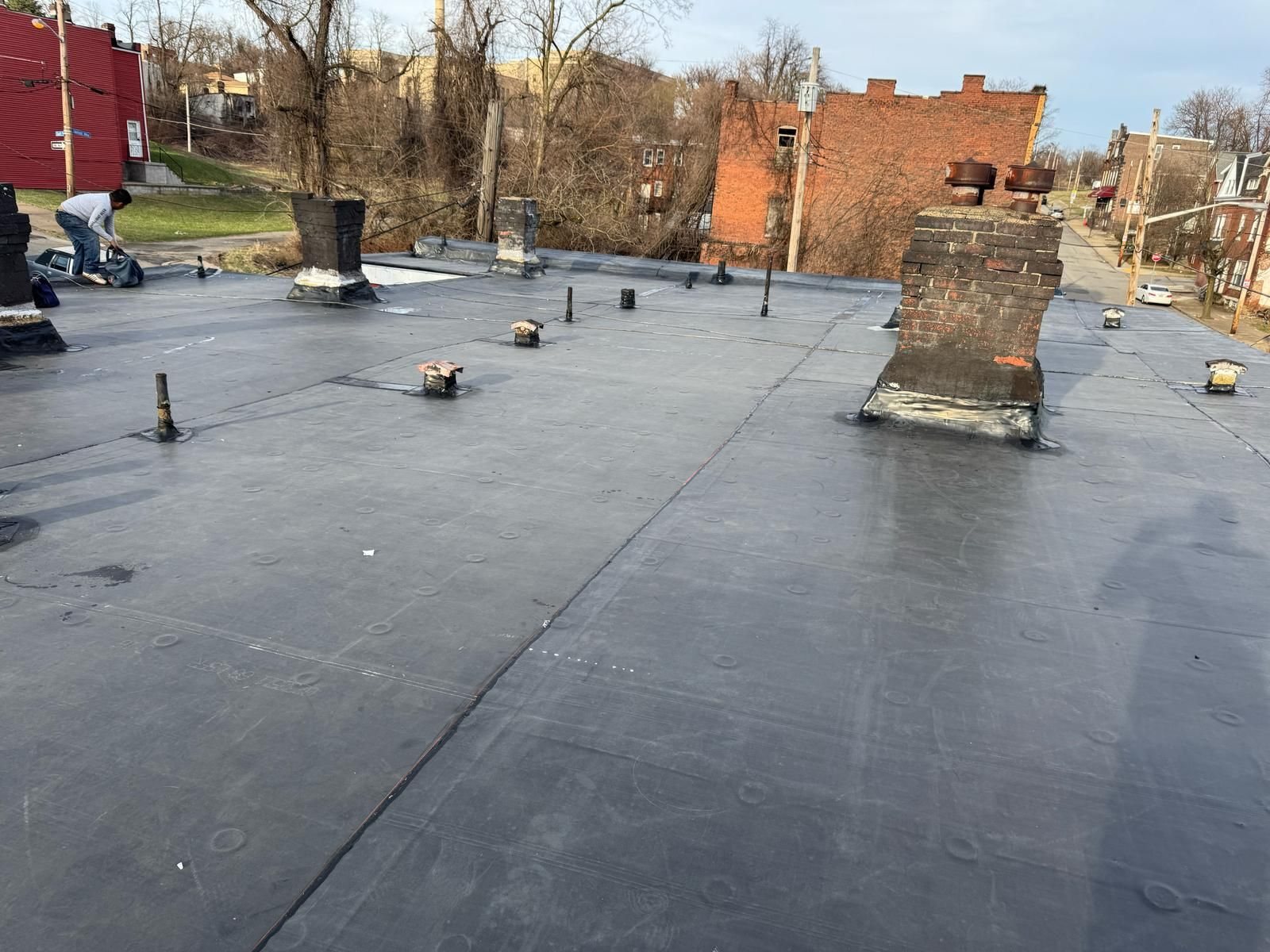
A finished black membrane flat roof with pipe flashings and a chimney in Pittsburgh, Alan Construction.
Planning a new flat roof or chasing a leak? Request a free estimate and we’ll look at your roof, drainage and the space below before recommending anything.