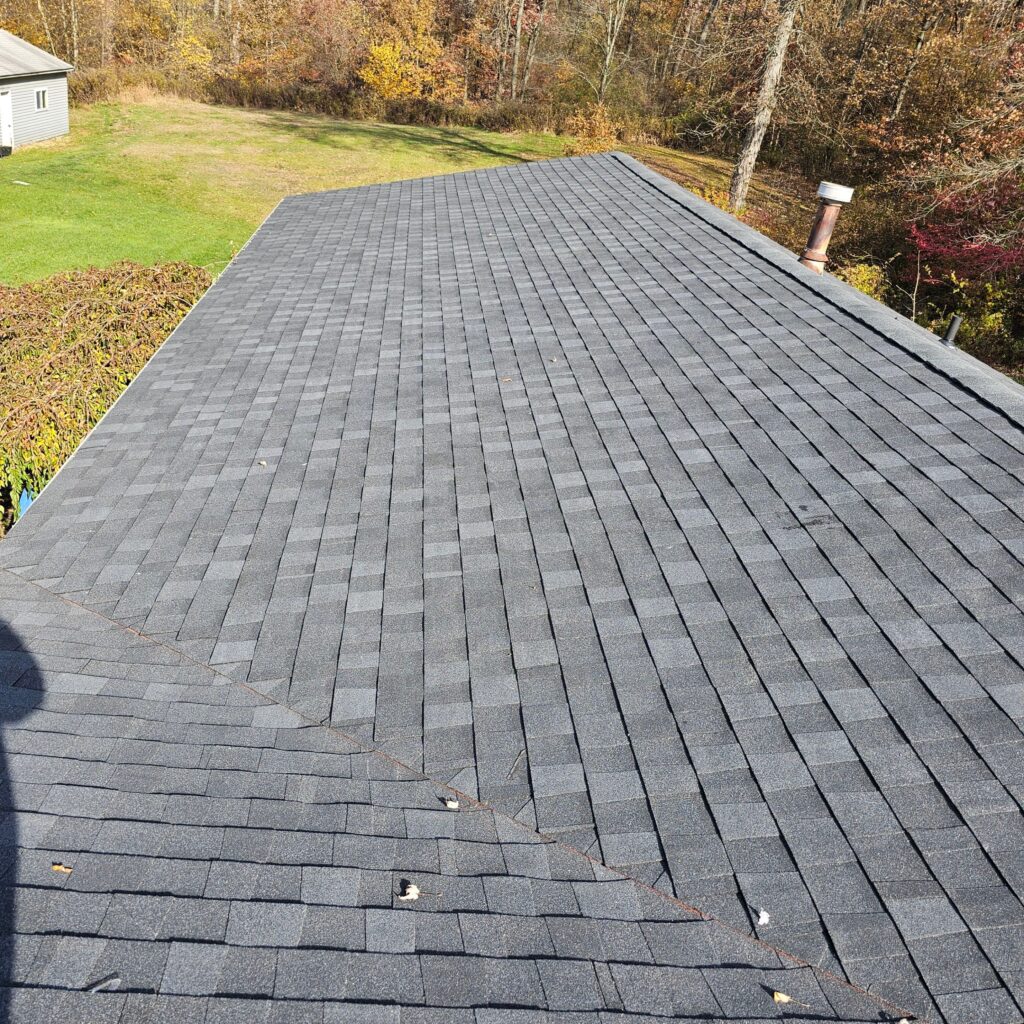
Your roof is not leaking. Everything seems fine up there. So why would you even think about replacing it? That line of thinking makes sense on the surface, but it overlooks how roofs actually fail. They do not go from perfect to pouring water overnight. The decline is gradual, invisible, and often expensive by the time you finally notice.
I have worked with homeowners who were blindsided by damage hiding just beneath shingles that looked fine from the driveway. Rotted decking. Mold spreading through insulation. Problems that a preventive roof replacement would have avoided entirely. The real risk is not the leak itself. It is everything that happens before the leak becomes visible.
How Age Affects Your Roof (Even Without a Leak)
Every roofing material has a shelf life, and no amount of maintenance changes that. Asphalt shingles typically hold up for 20 to 30 years. Metal roofs can last 40 to 70 years. Tile and slate sometimes exceed a century. But those numbers assume solid installation, proper ventilation, and a cooperative climate.
If you have an aging roof no leak situation, the absence of water inside your home does not mean the roof is healthy. Aged materials become brittle. They lose their grip against wind, shed their protective granule coating, and quietly allow moisture into places you cannot see. A professional inspection is the only way to know what is really going on underneath.
Roof Replacement Signs You Should Never Ignore
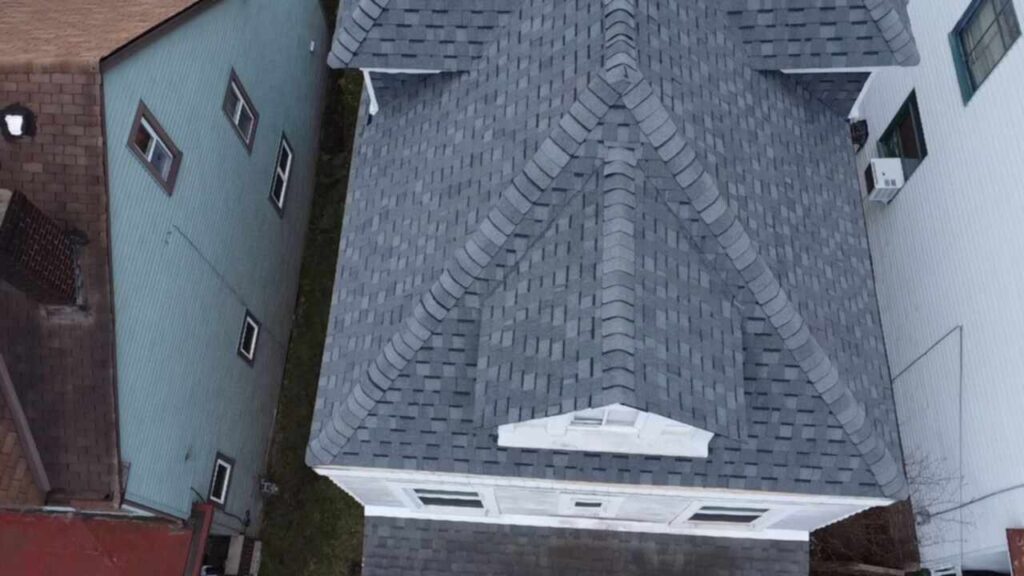
Your roof gives you signals long before it gives you a leak. The key is knowing how to read them. Shingles that are curling at the edges, cracking down the middle, or missing altogether are some of the most obvious roof replacement signs. Even if no water is dripping through yet, these issues mean your roof is losing its ability to protect.
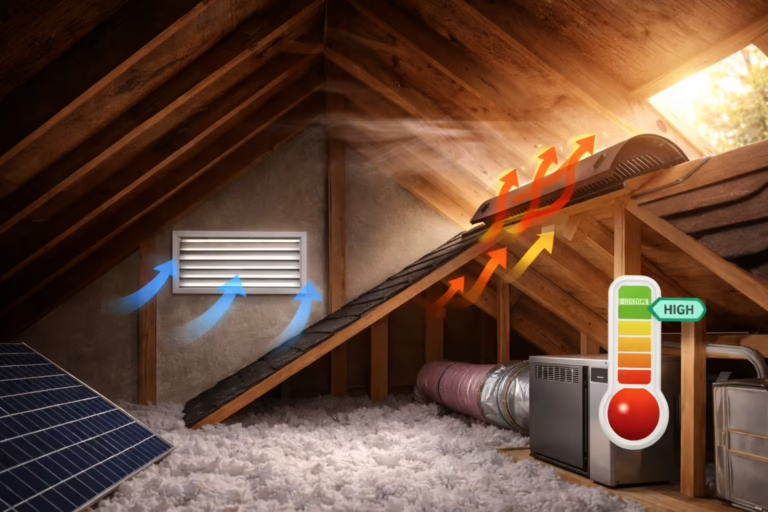
Granule loss is another red flag. Those tiny particles that collect in your gutters are the UV-resistant coating from your shingles. When they are gone, the shingle underneath breaks down fast. Head into your attic during daylight too. If you can see sunlight poking through the roof boards or notice dark stains on the wood, moisture may already be at work.
| Warning Sign | What It Means |
|---|---|
| Curling or buckling shingles | Shingles are past their effective lifespan and vulnerable to wind and water |
| Granules collecting in gutters | Protective coating is wearing off, accelerating shingle deterioration |
| Sagging or uneven roofline | Possible decking rot or structural weakening beneath the surface |
| Moss or vegetation growth | Moisture is being trapped against the roof, promoting decay |
| Daylight visible through attic boards | Roof decking is compromised and allowing air and water penetration |
Replace a Non-Leaking Roof: Avoid Hidden Damage
Putting off a roof replacement until water comes through the ceiling is a gamble that rarely pays off. Hidden moisture does not wait for you to notice it. It rots wood, degrades insulation, and breeds mold in spaces you never check. By the time a drip appears inside, the underlying damage has often been building for months.
A planned preventive roof replacement gives you control over the process. You pick the contractor, compare options, and schedule around good weather. Emergency work, on the other hand, happens on someone else’s timeline and at a premium. If you want to understand how the replacement process works step by step, take a look at How Long Does a Roof Replacement Take? A Complete Timeline.
Is It Normal for a Roof to Leak in Heavy Rain?
It should not happen. A roof that was properly installed and well maintained should keep water out, period. If rain is getting inside during storms, something has failed. Damaged flashing, cracked pipe boots, and wind-lifted shingles are the usual suspects.
Do not write off a storm leak as a fluke. Water is persistent. Once it finds an opening, it will use that same path every time it rains hard enough. Even small amounts of infiltration cause cumulative damage to decking and insulation. If your roof leaks when it storms, that is your roof telling you it needs professional attention now, not next year.
What Should I Do If My Roof Is Leaking?
First, contain what you can. Move anything valuable away from the drip. Place a bucket underneath, and if the ceiling is bulging from pooled water, puncture it carefully to relieve pressure before it collapses on its own. Small steps like these prevent a bad situation from becoming worse.
Then call a licensed roofer. Do not attempt to get on the roof yourself, especially if it is wet. A professional will trace the leak to its actual source, which is rarely directly above the spot where you see water inside. From there, they will advise whether a targeted repair makes sense or whether your roof’s overall condition calls for a full replacement.
Is a Leaky Roof an Emergency?
Sometimes. A slow drip during one storm probably does not require a midnight phone call, but it does need attention within a few days. A roof that is letting in a steady flow of water near electrical wiring or structural framing, however, is a true emergency. Do not wait on that.
The tricky part is that water travels along rafters and sheathing before it drips down. The wet spot on your ceiling might be several feet from the actual breach. That means the damage you cannot see could be much worse than what you can. When in doubt, call a professional sooner rather than later.
Benefits of Replacing Your Roof Before It Fails
A new roof is not just a patch over a problem. It is an upgrade to your home’s entire performance. Better insulation and ventilation from modern materials can noticeably reduce energy consumption. Today’s roofing products reflect more heat and resist weather far better than what was available even ten years ago.
Then there is property value. A new roof consistently ranks as one of the highest-return home improvements you can make. If you are thinking about selling in the next few years, resolving an aging roof no leak situation beforehand removes a major negotiation point for buyers. And beyond resale, there is the simple relief of knowing your home is secure heading into the next storm season.
When to Schedule a Professional Roof Inspection
If your roof is 15 years old or more, get it inspected. Do not wait for something to go wrong. I recommend scheduling an evaluation after any significant storm and at minimum every two to three years. A qualified inspector can catch roof replacement signs that are impossible to see from the ground, like deteriorating underlayment or failing sealant around vents and pipes.
The investment is small. The payoff is knowing exactly where your roof stands and being able to plan ahead instead of reacting to a crisis. Most reputable contractors offer free or affordable inspections, and the insight you gain puts you in a much stronger position. According to Angi’s guide on warning signs for roof replacement, catching these issues early is one of the most effective ways to protect both your home and your budget.