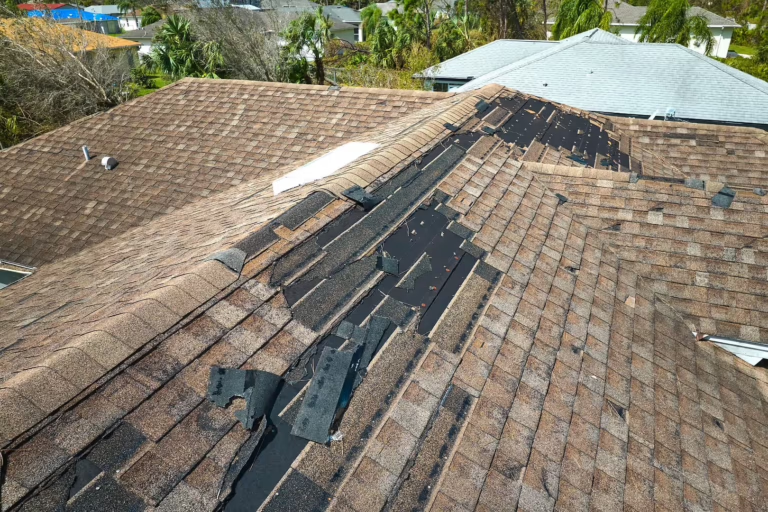
Not every siding material deserves a spot on your house. Some look great in the showroom and fall apart within a few years. Others demand so much upkeep that you end up spending far more than you planned. Cheap vinyl siding, old aluminum, untreated wood, stucco and low grade fiber cement are the materials that cause the most trouble on Pittsburgh homes, and this guide explains why.
We see the results of these choices when homeowners call us for siding installation in Pittsburgh: cracked panels, soft sheathing and rot that spread quietly for years. Here’s how to skip those headaches before the wrong material ends up on your home.
Why the Wrong Siding Costs More Than You Think
Your siding is the first line of defense against the weather. When it fails, the damage goes deeper than looks. Moisture sneaks behind cracked panels, insects find their way into softened wood, and rot spreads quietly for months before anyone notices. Choosing one of the siding types to avoid can mean replacing your whole exterior years ahead of schedule, and that repair bill is never small.
We have worked with homeowners who thought they were saving money by going with the cheapest option on the market, only to pay again for repairs and replacement much sooner than they expected. Treat your siding choice as a long term investment, not a short term savings opportunity.
Siding Materials to Avoid: Cheap Vinyl Siding
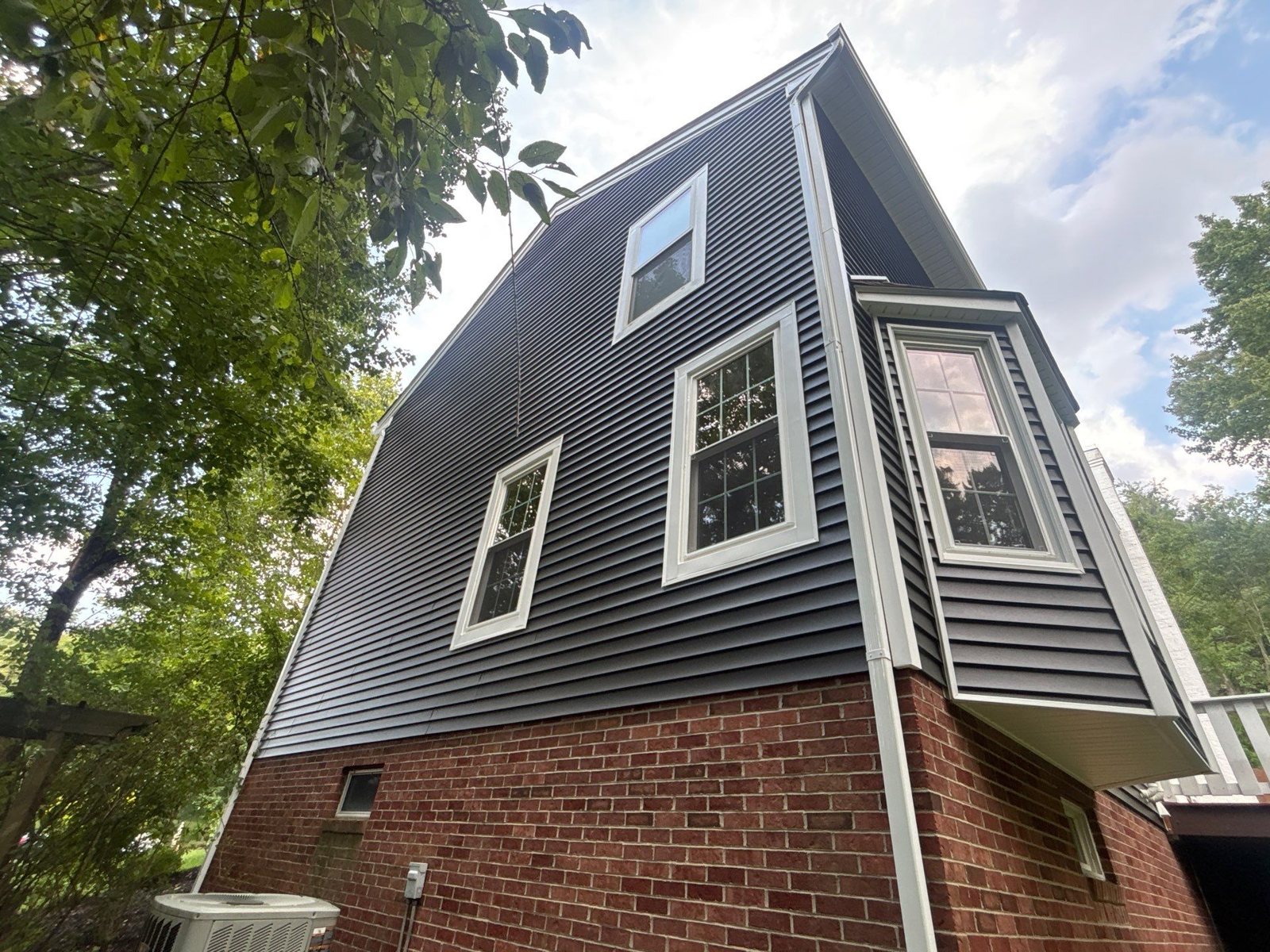
Vinyl siding is one of the most popular choices around, and quality products perform well. The problem is budget tier vinyl. Thin panels crack from hail, hard freezes and stray branches, and low grade vinyl can fade unevenly in the sun.
Worse, damaged panels can trap moisture behind them with no visible sign. By the time you notice, the sheathing underneath may already be compromised. If you want vinyl, and on most Pittsburgh homes it’s a great choice, go with a thicker panel from a reputable manufacturer.
New dark gray vinyl siding on the upper story above a brick base in Pittsburgh, Alan Construction.
How to Spot Better Vinyl
- Panel thickness: thicker panels resist cracking and waviness. Ask what thickness you’re being quoted.
- Rigidity: a better panel feels stiff in your hand and lies flat on the wall.
- Installation: vinyl has to be hung loose enough to expand and contract. Nailed too tight, even good vinyl buckles in the summer.
Old Aluminum Siding: Dated and Fragile
Aluminum had its moment decades ago, and plenty of Pittsburgh houses still wear it. Today it dents easily from hail, baseballs or a bump with a ladder. Once dented, repairs are difficult and rarely invisible, and matching faded older panels is close to impossible. It also lacks the texture and depth of modern materials, and it can be noisy in rain and wind. For a deeper look at how long different materials actually hold up, read our siding lifespan guide for Pittsburgh homeowners.
Siding Materials to Avoid: Untreated Wood
Wood siding has a natural warmth that synthetics struggle to match. Cedar and pine look beautiful when freshly installed. But wood demands constant attention. Without regular staining and sealing every few years, it becomes vulnerable to rot, warping and insect damage.
Our humid Pittsburgh summers and wet springs make untreated wood break down even faster, and carpenter ants go straight for softened fibers. Wood isn’t a bad material overall, but if you aren’t ready for the upkeep, it becomes one of the worst siding materials you can pick.
Stucco in a Wet Climate: A Recipe for Trouble
Stucco looks elegant in the right setting, but it has a serious weakness: water. Stucco is porous, and with the rain and snow we get here, moisture seeps in and can get trapped behind it. That leads to mold, mildew and hidden damage to the wall framing.
Cracking is the other issue. As a house settles and goes through freeze and thaw, stucco develops hairline cracks that become entry points for water. For homeowners in Pittsburgh, stucco ranks among the siding types to avoid.
Low Grade Fiber Cement: Not All Boards Are Equal
Premium fiber cement, the material James Hardie made famous as Hardie board siding, is one of the best siding options available. It resists fire, pests and harsh weather well. But cheaper boards cut corners on thickness and composition, which can lead to cracking as the house settles and moisture problems at the seams.
Poor installation makes it worse, since fiber cement is heavy and needs careful cutting, fastening and caulking. Research the brand, read homeowner reviews, and hire an experienced contractor so a good material doesn’t turn into a costly mistake. Our article on why more Pittsburgh homeowners are choosing fiber cement siding covers the good side of the material.
Can Mice Get In Under Siding?
This concern doesn’t get enough attention. Yes, mice can get in under siding. Vinyl corner posts are hollow, which can give rodents a path into walls and attics, and mice squeeze through very small gaps. The spot where siding meets the foundation is an especially common entry point.
Prevention means sealing every transition at the foundation, windows, trim and utility penetrations. Hardware cloth, metal flashing and proper caulking go a long way. If you’re installing new siding, make sure your contractor treats pest exclusion as part of the job.
Back of a home with dark gray siding and white trim in Pittsburgh, Alan Construction.
What Is the Best Material for Siding?
Premium fiber cement ranks near the top for overall performance. It resists fire, insects, rot and extreme weather, and it can mimic the look of wood grain without the maintenance, which appeals to homeowners who love the wood look but hate the upkeep.
For most Pittsburgh homes, though, a high grade vinyl siding from a reputable manufacturer is the best balance of durability, low maintenance and value. It’s what we install, and it handles our winters well when it’s hung correctly. Engineered wood is another option, combining real wood fibers with resins. The right choice depends on your budget, your house and how much time you want to spend on maintenance. The most important thing is to avoid the worst siding materials and invest in something that protects your home for decades.
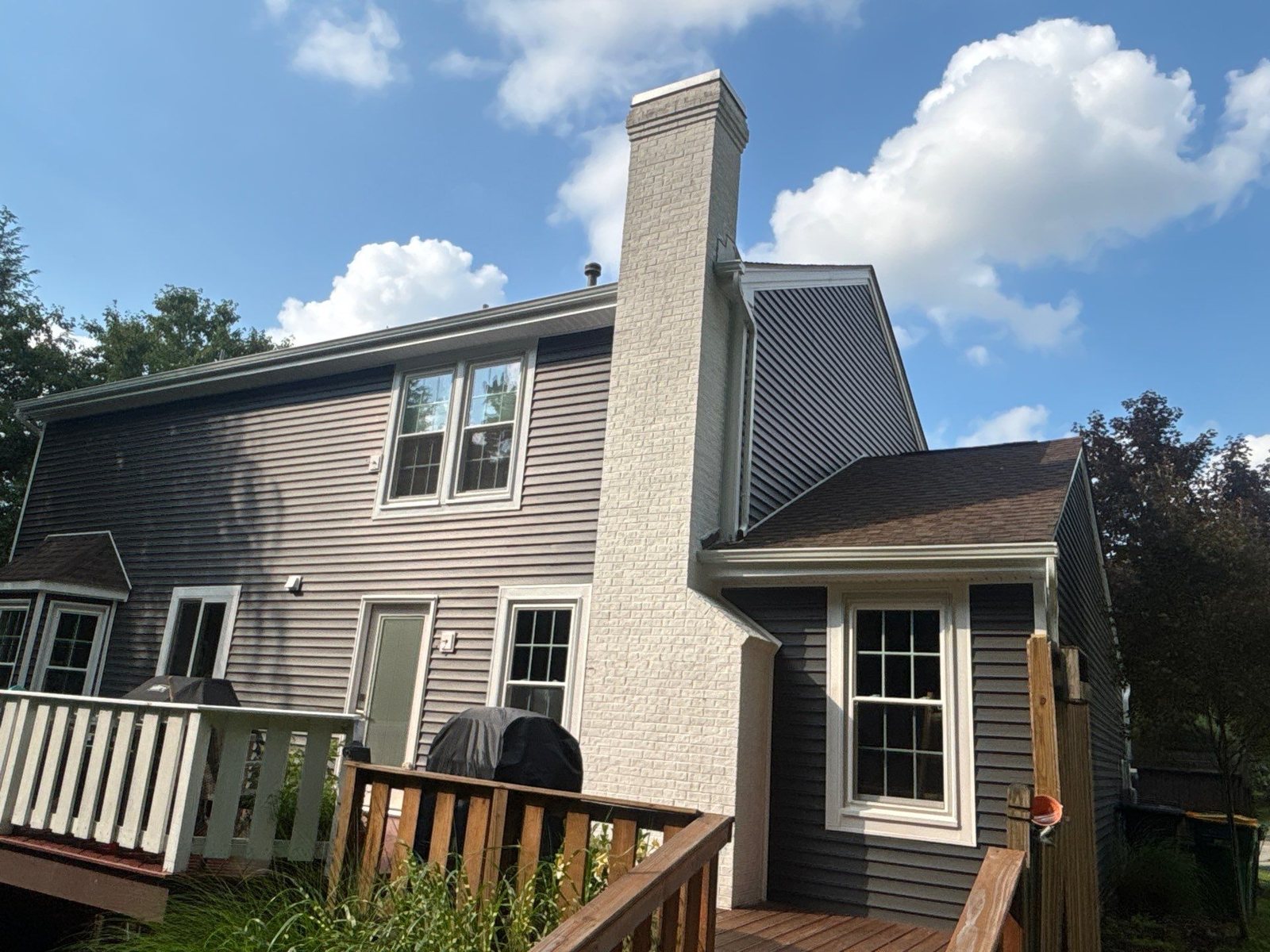
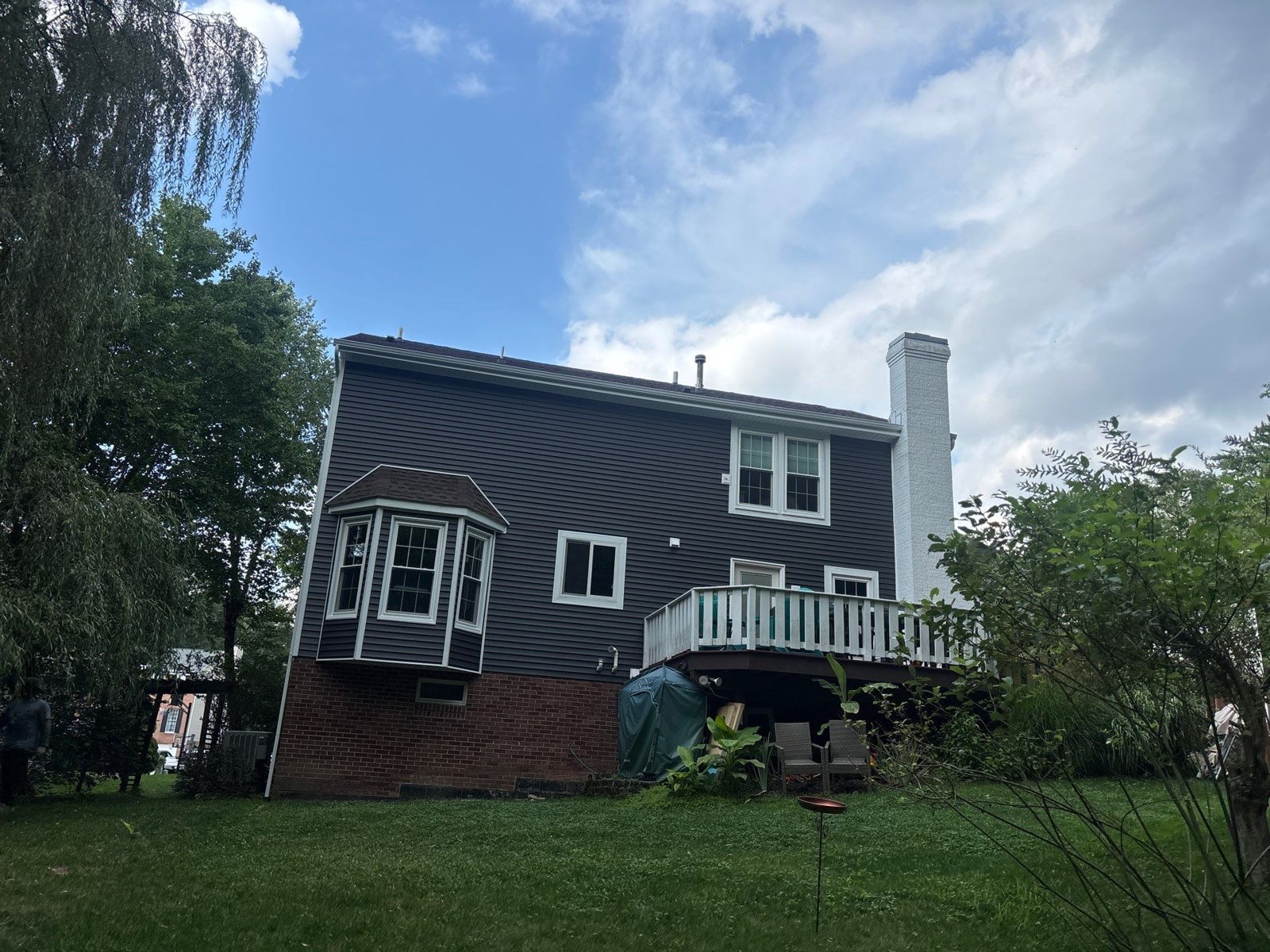
This Pittsburgh home got new gray vinyl siding all the way around, including the back, where weather damage tends to go unnoticed longest.
Good vinyl, installed with room to move and sealed at every window, corner and penetration, gives you a low maintenance exterior that doesn’t need painting or sealing. That’s the opposite of every material on the avoid list above.
Rear of a home with gray vinyl siding and a white chimney in Pittsburgh, Alan Construction.
Quick Comparison: Siding at a Glance
| Material | Durability | Maintenance | Avoid If |
|---|---|---|---|
| Premium vinyl | Good | Low | You want a true wood texture up close |
| Budget vinyl | Low | Low | You want it to last |
| Fiber cement | High | Low to moderate | You plan to install it yourself |
| Natural wood | Moderate | High | You want low maintenance |
| Stucco | Low to moderate | Moderate | Your house sees a lot of rain and snow |
| Aluminum | Low to moderate | Low | Dent resistance matters |
Protect Your Investment With the Right Choice
Your siding isn’t something to gamble on. The wrong material leads to early replacement, hidden damage and repair bills that keep coming. Take time to think about the weather your house faces, how much maintenance you’re willing to do, and how long you plan to stay before you commit. Talk to an experienced contractor who will walk you through the options honestly.
Avoiding bad house siding options is just as important as choosing the right one, and a little research now saves real money later. The Consumer Reports siding buying guide is a good place to start your homework. If storms have already done some damage, see our guide to how fall storms damage siding on Pittsburgh homes.
Thinking about new siding? Request a free, no obligation estimate and we’ll look at your house and walk you through the options honestly.