Why does proper attic ventilation matter before cold weather arrives? A well-vented attic stays cold and dry in winter, which stops ice dams, mold, and rotting roof decks before they start. Fixing airflow in the fall lets you catch problems while the weather still cooperates, not in January when snow is sitting on your roof.
Most homeowners never think about their attic until something goes wrong. A brown stain shows up on a bedroom ceiling. Icicles as thick as your arm hang off the gutters. By then, the damage has usually been building for months.
In Western Pennsylvania, winter doesn’t mess around. Under NOAA’s most recent 30-year climate normals, Pittsburgh averages about 44 inches of snow a year, and that number has gone up compared to the previous period. More snow on the roof means more pressure on your attic to do its job.
Why Proper Attic Ventilation Matters Before Cold Weather Arrives in Pittsburgh
Here’s something I tell almost every homeowner I talk to. Your attic should be close to the temperature outside in winter. Not warm. Not cozy. Cold.
When heat from your living space leaks into the attic, it warms the underside of the roof. Snow on top melts, runs down to the colder eaves, and refreezes. That’s an ice dam. Water then backs up under the shingles and finds its way into your ceilings and walls.
That’s the real reason why proper attic ventilation matters before cold weather arrives. Once the snow is on the roof, most fixes get harder, riskier, and more expensive. A fall inspection for attic ventilation Pittsburgh homeowners can rely on is far cheaper than repairing drywall, insulation, and roof decking in March.
Should an Attic Have Ventilation?
Yes. For the vast majority of homes with a standard unfinished attic, ventilation isn’t optional. Most building codes require it, and for good reason.
The U.S. Department of Energy points out that roof vents exist to push out moisture that would otherwise break down insulation and building materials over the winter. Every day, your household produces moisture from showers, cooking, laundry, and even breathing. Some of it drifts upward. Without a way out, it condenses on cold roof sheathing.
I’ve crawled into attics in the middle of winter and seen frost coating every nail tip poking through the roof deck. When the sun comes out, that frost melts and drips. Homeowners often think they have a roof leak. In reality, the attic simply can’t breathe.
What Are the Three Types of Attic Ventilation?
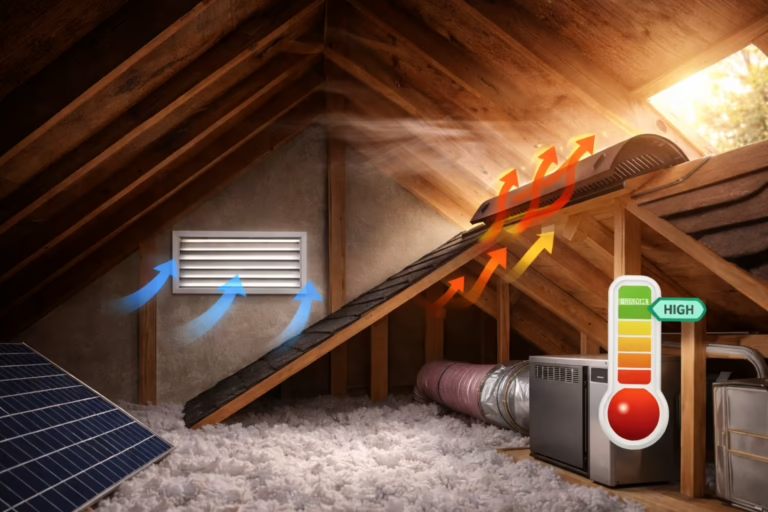
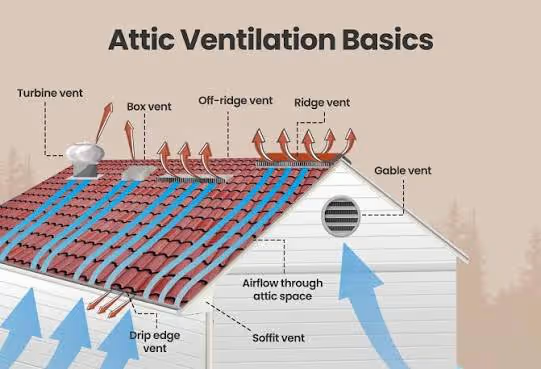
When people ask about the three types of attic ventilation, they’re usually talking about intake, exhaust, and the balance between the two. Each one plays a specific role, and a system only works when all three are right.
Intake Ventilation
Intake vents let cool, fresh air into the attic. They’re usually installed in the soffits, the underside of your roof overhang. If you want to understand how that part of the house works, read our guide on How Soffit and Fascia Protect Homes in Point Breeze.
Exhaust Ventilation
Exhaust vents let warm, moist air escape near the peak of the roof. Ridge vents, box vents, gable vents, and powered fans all fall into this group. Warm air rises naturally, so exhaust vents belong up high.
Balanced Ventilation
Balance is where most systems fail. Air has to come in low and leave high in roughly equal amounts. Too much exhaust with too little intake is like trying to drink through a straw with your thumb over the other end.
What Are the Rules for Attic Ventilation?
The most common rule of thumb comes straight from Department of Energy guidance. You need about 1 square foot of net free vent area for every 150 square feet of attic floor. If there’s a proper vapor barrier in place, that can drop to 1 square foot for every 300 square feet.
So a 1,500-square-foot attic would typically need around 10 square feet of total venting. Ideally, that’s split roughly half intake and half exhaust. Local code always has the final word, though, so it’s worth checking with a pro before cutting any holes in your roof.
| Attic Floor Size | Vent Area at 1:150 | Vent Area at 1:300 |
|---|---|---|
| 1,000 sq. ft. | About 6.7 sq. ft. | About 3.3 sq. ft. |
| 1,500 sq. ft. | About 10 sq. ft. | About 5 sq. ft. |
| 2,000 sq. ft. | About 13.3 sq. ft. | About 6.7 sq. ft. |
One more rule people forget. Insulation should never block your soffit vents. ENERGY STAR recommends rafter vents, sometimes called baffles, to keep a clear channel between the soffits and the roof deck. I can’t count how many times I’ve found soffits packed solid with blown-in insulation. The vents looked fine from the yard, but no air was moving.
What Is the Most Effective Way to Ventilate an Attic?
For most homes, continuous soffit vents paired with a continuous ridge vent is the gold standard. The DOE calls this combination the most effective setup. It creates a steady, even flow of air along the entire underside of the roof.
It works without electricity. There’s nothing to burn out. Physics does the heavy lifting.
Powered attic fans can sound like an upgrade, but they come with a catch. ENERGY STAR warns that if your attic isn’t sealed well from the house below, a fan can pull conditioned air up out of your living space. You end up paying to heat or cool your attic. Good roof ventilation is about smart airflow, not brute force.
Can You Have Too Much Venting in an Attic?
Yes, and it happens more than you’d think. The problem usually isn’t the total amount of venting. It’s mixing the wrong kinds.
A common mistake is adding a ridge vent but leaving old gable vents or box vents in place. The exhaust vents start “short-circuiting.” One vent pulls air in from another nearby vent instead of drawing fresh air up from the soffits. Big sections of the attic end up with stale, damp air.
Weather is the other concern. Too many exhaust openings, poorly placed, can let wind-driven rain or snow blow in during a storm. On a recent reroof, we pulled out three different styles of exhaust vents that had been added over the years by different contractors. One well-planned system did more than all three combined.
Should the Attic Vent Be Closed in Winter?
No. This is probably the most common question I get every fall. It makes sense on the surface, because it feels like you’re letting cold air into your house.
But your attic isn’t supposed to be warm. ENERGY STAR explains that winter airflow keeps the attic cold, which cuts down the chance of ice dams. Your insulation on the attic floor is what keeps your home warm, not a sealed-up attic.
Close those vents and you trap moisture overhead. That’s how you get mold on the sheathing, soggy insulation, and nails that rust through. Leave them open. Fix your insulation and air leaks instead.
Warning Signs Your Attic Isn’t Breathing Right
You don’t need to climb into the attic to spot trouble. A few signs show up from the outside or inside your home.
Watch for large icicles or ice buildup along the gutters. Look for snow melting unevenly on your roof, especially near the peak, while neighbors’ roofs stay white. Inside, check for peeling paint, ceiling stains, or a musty smell in upstairs rooms.
If you do peek into the attic, look for dark spots on the underside of the roof, damp insulation, or frost in cold months. Any of these means air isn’t moving the way it should. Catching them now beats finding them during a February thaw.
Getting Your Attic Ready Before the First Snow
Fall is the sweet spot. Roofers can work safely, shingles seal properly in milder temperatures, and you’re not scrambling after the first storm. Here’s what I’d do before November:
Check that soffit vents aren’t painted over, clogged with debris, or buried in insulation. Make sure bathroom and kitchen fans vent outside, not into the attic. Seal gaps around light fixtures, pipes, and the attic hatch. Then have a pro confirm your intake and exhaust are balanced.
If you’re not sure where to start, a local Pittsburgh roofing crew can inspect your attic, measure your vent area, and tell you exactly what’s working and what isn’t. A couple of hours now can save you thousands of dollars later.
The Bottom Line
Attic ventilation isn’t flashy. Nobody brags about their ridge vent at dinner parties. But it quietly protects your roof, your insulation, and your wallet every single winter.
Get it checked before the cold settles in. Your future self, standing under a dry ceiling in February, will thank you.