Most Pittsburgh siding repair calls come down to one question: can a few panels be fixed, or is it time for new siding? If the damage is limited to a handful of loose, cracked or blown off pieces and the wall behind them is dry and solid, a repair is usually the smart move. If the siding is warped across whole walls, brittle, faded past matching, or hiding soft, wet sheathing, replacement is the better use of your money.
We’ve been working on Pittsburgh homes since 2003, and we walk a lot of houses where the homeowner expected one answer and needed the other. This guide covers the warning signs we look for, what our weather does to siding, and how we decide between a patch and a full job. When the answer is new siding, our page on siding installation in Pittsburgh explains how we handle it from tear off to cleanup.
Short answer: Repair siding when the damage is isolated and the wall underneath is sound. Replace it when problems show up on several walls, the panels are brittle or badly faded, or water has already gotten behind them.
When Pittsburgh Siding Repair Is Enough
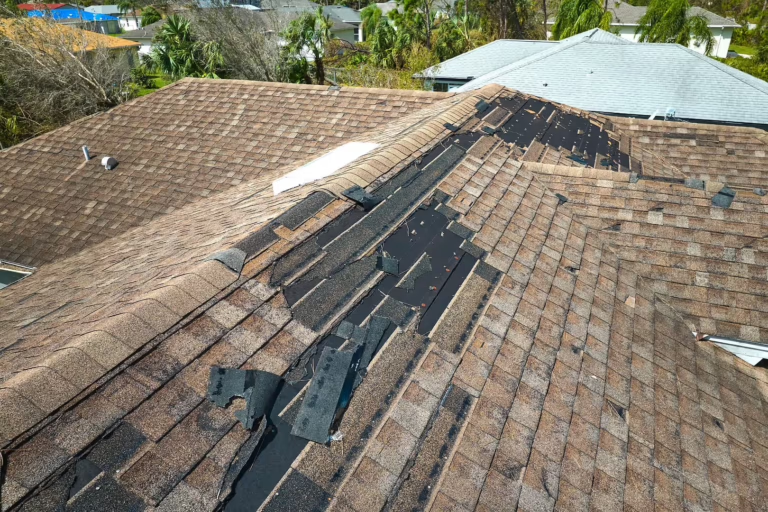
A lot of siding damage looks worse from the sidewalk than it really is. Vinyl panels lock into each other, so a single piece that lets go in the wind can flap, crack the panel above it, and make the whole wall look like it’s failing. In many cases we can unlock the row, slide in new pieces and have the wall closed up the same day.
These are the jobs that usually stay repairs:
- A few panels blown loose or off after a windstorm
- Isolated cracks or holes from a branch, a ball or a ladder
- A dented or chipped section near a driveway or walkway
- Loose trim or J channel around a window or door
- One damaged corner post
The catch is that the wall behind the damage has to be dry and firm. We pull the damaged panels and check the sheathing before we close anything back up.
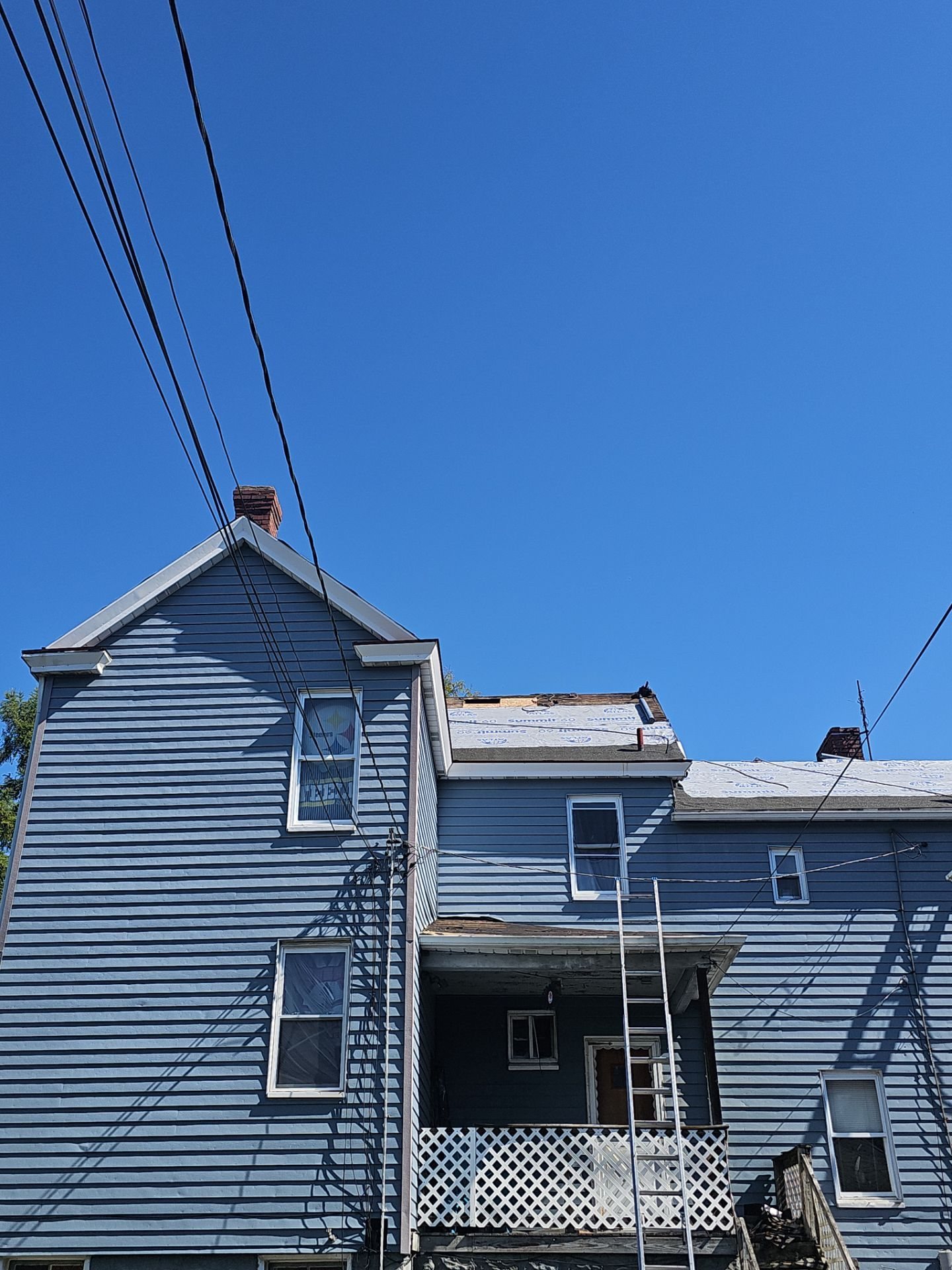
Rear of a blue sided home on a Glassport job, Alan Construction.
Speed matters with these small repairs. One homeowner, Sean W., put it this way in his Google review: “Piece of siding flew off in a windstorm friday night, I called saturday afternoon and they came out sunday morning to replace it for my family.” An open spot in the wall is an invitation for rain, snow and critters, so don’t let it sit for a season.
Signs Your Siding Needs Replacing, Not Patching
Siding usually tells on itself before it fails completely. These are the red flags we point out to homeowners when we walk a property together.
Warping, Buckling and Rippling
Panels that ripple, bow or pull away from the wall have lost their grip. When it’s one panel, it’s often a nailing problem we can fix. When it runs across a whole wall, the siding or the way it was hung is the issue, and patching just moves the problem around.
Soft, Spongy or Rotted Spots
Press firmly on any panel that looks tired. If it gives, crumbles, or you can feel the board behind it flex, water has been sitting there. Rot in the sheathing means the wall needs to be opened up, and at that point new siding over a repaired wall is usually the right call.
Paint or Wallpaper Problems Inside
Bubbling paint or sagging wallpaper on an outside wall is a sign moisture slipped past the siding. By the time it shows up indoors, the barrier behind your panels has usually failed.
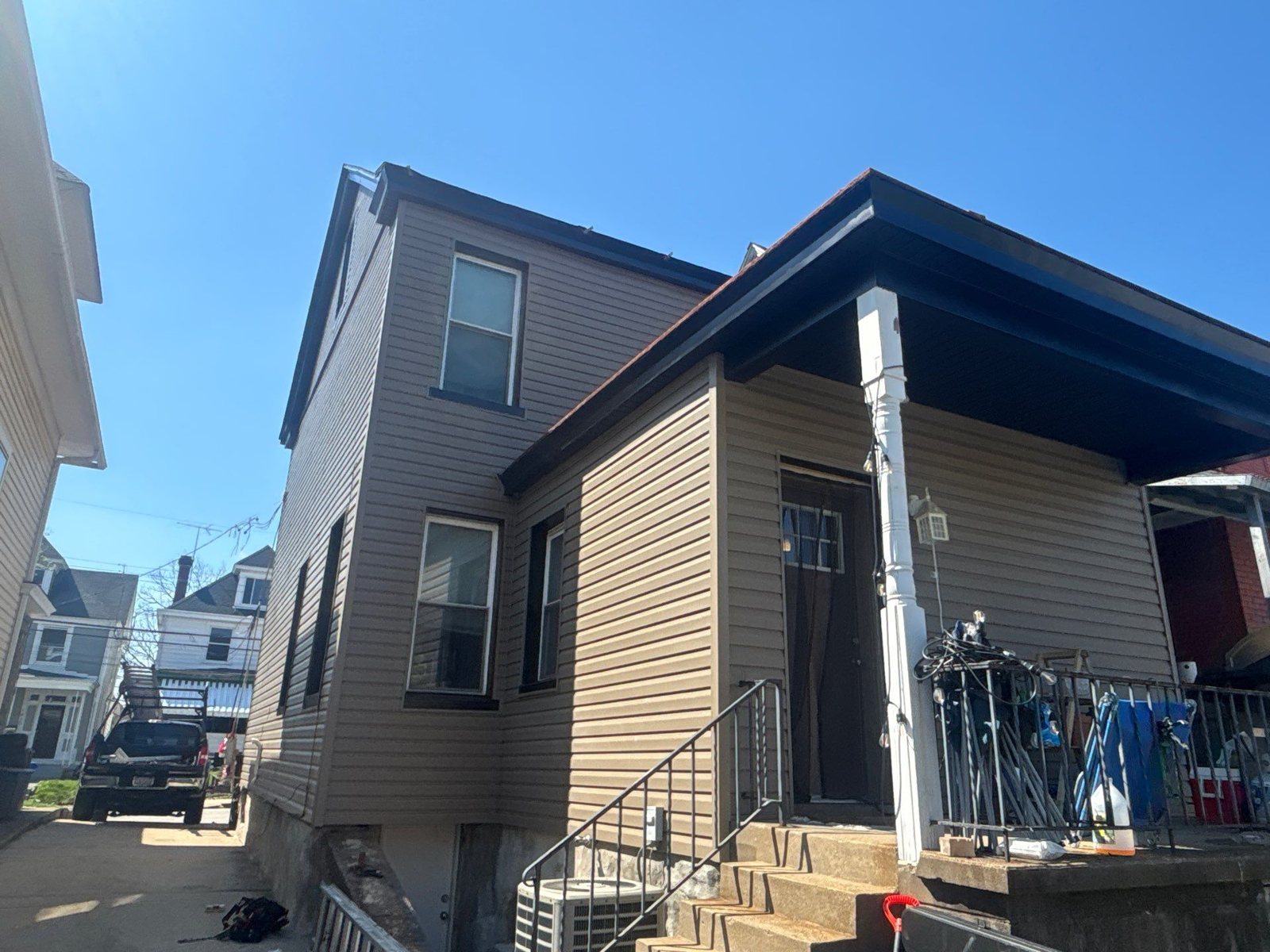
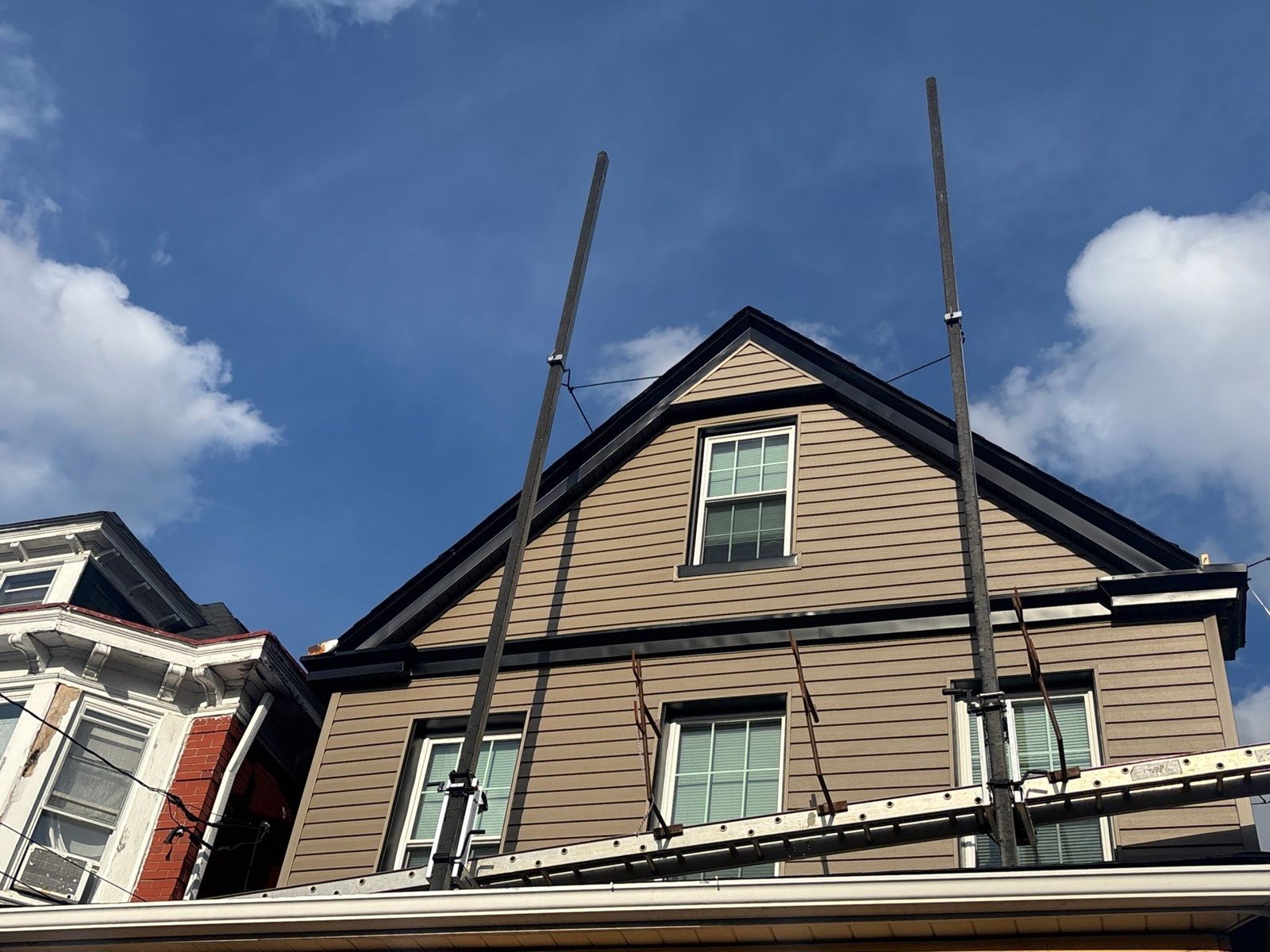
New tan siding with black porch roof trim on a Pittsburgh home, Alan Construction.
Mold or Mildew That Keeps Coming Back
Green or dark streaks on a shady north wall can be normal and wash right off. If you clean it and it’s back within a few weeks, water is likely getting behind the boards. The EPA’s guide to mold cleanup in your home is a good reference if you’re seeing it inside too.
Brittle, Chalky or Badly Faded Vinyl
Old vinyl gets brittle, especially in cold weather, and it can crack when you try to unlock it for a repair. Heavy fading also makes new pieces stand out. When patches won’t match and panels break as we work, replacement makes more sense.
Pests and Drafts
Cracks, holes and loose seams let in insects, mice and birds looking for a warm spot. Gaps can also let cold air in around outlets and window trim on outside walls. If you’re noticing drafts and critters at the same time, the exterior shell has openings.
Storms speed all of this up. Our post on how fall storms damage siding on Pittsburgh homes walks through what to check after a big wind.
Why Pittsburgh Weather Is Hard on Siding
Our winters bounce above and below freezing over and over. Water works into small cracks and seams, freezes, expands and pries the opening a little wider. Repeat that through a whole season and a hairline gap becomes a real leak.
A few other local factors show up on almost every inspection we do:
- Wind on hillsides. Homes on exposed hills and ridges take gusts that can lift loose panels right off the wall.
- Shade and tree cover. Walls that never see the sun stay damp, grow mildew and take falling branches.
- Older homes. Plenty of houses here still have original wood or aluminum siding, or vinyl installed decades ago that’s reaching the end of its life.
- Roof and gutter water. Overflowing gutters and ice dams can push water down and behind the siding, which is why we always look at the roof edge too.
Siding that went up thirty years ago wasn’t installed with the wraps and flashing details we use today. That’s one reason older walls fail from the inside out.
Repair or Replace: A Quick Comparison
Here’s how we usually sort it out on a walkaround. Every house is different, but this covers most of what we see.
| What you see | Usually a repair | Usually a replacement |
|---|---|---|
| Loose or missing panels | A few pieces on one wall | Panels coming loose on several walls |
| Cracks and holes | Isolated damage from wind or impact | Cracking all over from brittle, aged vinyl |
| Warping | One panel nailed too tight | Rippling across whole walls |
| Wall behind the siding | Dry and solid | Soft, stained or rotted sheathing |
| Color match | Spare pieces or a close match exists | Heavy fading, color no longer made |
| Inside the house | No signs of moisture | Stains, peeling paint or mold on outside walls |
The Matching Problem With Siding Repairs
Matching is the part of siding repair most homeowners don’t expect. Vinyl fades with sun, and colors and profiles get discontinued. A brand new panel can look bright next to fifteen year old siding.
We have a few ways to handle it. Sometimes we borrow panels from a hidden spot, like behind a deck, and put the new pieces there. Sometimes it makes sense to redo one full wall or a gable, so the color change lands at a corner instead of the middle of a wall. When too many walls need work, new siding all around is the cleaner answer.
Gable end finished in new tan siding and black trim, Pittsburgh, Alan Construction.
Can Siding Be Repaired or Replaced in Winter?
Yes. Siding work goes on year round here, and fall and early winter can mean shorter waits than the spring rush. Cold does change how we work, though. Vinyl gets more brittle in freezing temperatures, so it has to be cut and handled carefully, and some caulks and sealants won’t cure properly in the cold.
We plan around the forecast and use the milder days for the work that needs them. If you have an open spot in a wall right now, get it closed up before the hard freezes rather than waiting for spring. A small gap in October can turn into wet sheathing by February.
What Drives the Cost of Siding Work
Every siding estimate depends on the house, so we look before we quote. These are the main things that move the number:
- How many panels or walls are involved
- Whether the sheathing behind the siding needs repair
- The height of the walls and how easy they are to reach
- Trim, corners, soffit and fascia that need attention
- Whether gutters have to come down and go back up
- The siding style and color you choose
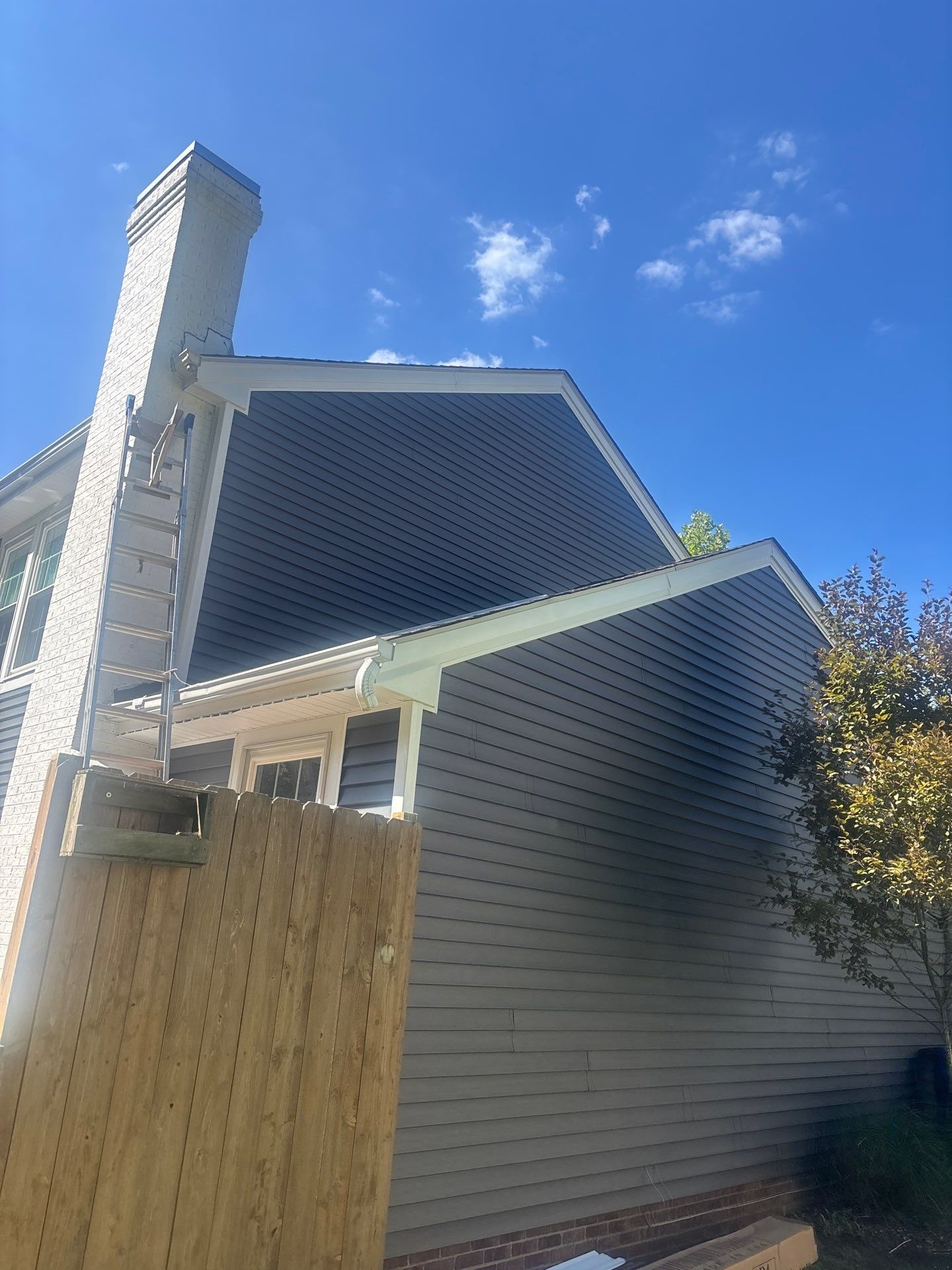
Gray siding on a gable wall in Pittsburgh, Alan Construction.
Our estimates are free, and we’ll tell you honestly when a repair will hold and when it won’t. For bigger projects, we offer financing options through a lender network.
Who Should Fix Your Siding
A single loose panel is simple, but most siding problems aren’t really about the panel. The real questions are why it came loose, whether water got behind it, and how it ties into windows, trim and the roof edge. Proper installation matters as much as the product. The vinyl siding industry’s trade group publishes installation guidance and certification for exactly this reason: panels nailed too tight or hung without the right wrap and flashing fail early.
Before you hire anyone, check that the contractor is registered with the state. You can look up any contractor on the Pennsylvania Attorney General’s home improvement contractor registration site. Alan Construction is registered as PA#126638, licensed and insured, and BBB accredited with an A+ rating.
Doing Siding With Your Roof, Gutters or Windows
Siding rarely wears out alone. If your roof, gutters, soffit and fascia or windows are near the end of their life too, doing them together means one setup, one cleanup and trim details that tie together properly. Our post on why timing matters when replacing your roof and siding covers the order we recommend.
Chelsea C. had us handle several of those pieces at once and wrote: “Very pleased with our siding, soffits, fascia, and gutters by Alan, Jim, and their crew!” If you’re trying to judge how much life your current siding has left, our guide to the lifespan of different siding materials is a good next read.
Not sure if your siding needs a repair or a full replacement? Request a free estimate and we’ll walk the house with you and give you a straight answer.