The roofing materials that hold up best in Western Pennsylvania are architectural asphalt shingles, standing seam metal, natural slate and synthetic slate, because they handle freeze and thaw, heavy snow and wind better than anything else on the market. After more than 20 years of climbing onto roofs across Allegheny County, we can tell you the weather here does not forgive a bad roofing decision.
Between hard freeze and thaw swings, wet snow, spring windstorms and sticky August humidity, our roofs take a real beating. So the question isn’t just what looks good up there. It’s what survives. As roofing contractors in Pittsburgh since 2003, here’s what we see actually holding up on real homes, and what doesn’t.
Why Western Pennsylvania Weather Is So Tough on Roofs
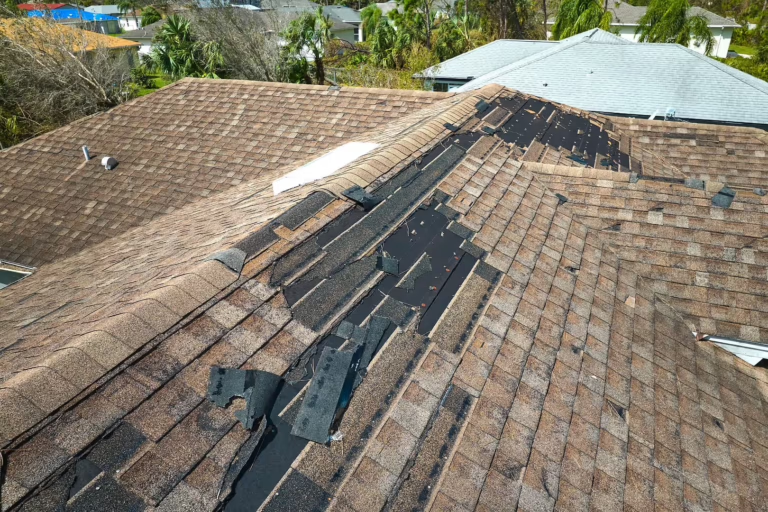
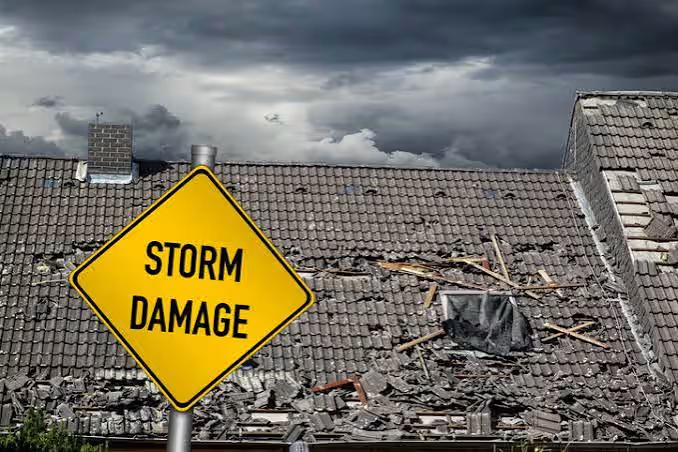
Our climate is hard on roofs, plain and simple. Water sneaks into tiny cracks during a midday thaw, then freezes overnight and expands, prying those cracks wider. Repeat that cycle through a long winter and even solid materials begin to give out. Add heavy, wet snow, and the strain on your shingles, flashing and fasteners never lets up.
Then there are ice dams. When heat escapes into the attic, it melts snow up top, which refreezes at the cold eaves and backs water up under the shingles. A brown stain on a January ceiling is often an ice dam problem, not a shingle problem.
That’s why the surface material is only part of the story. The decking, the underlayment and the attic ventilation underneath decide how well any roof survives our winters. Our guide to attic ventilation before cold weather explains that side of it.
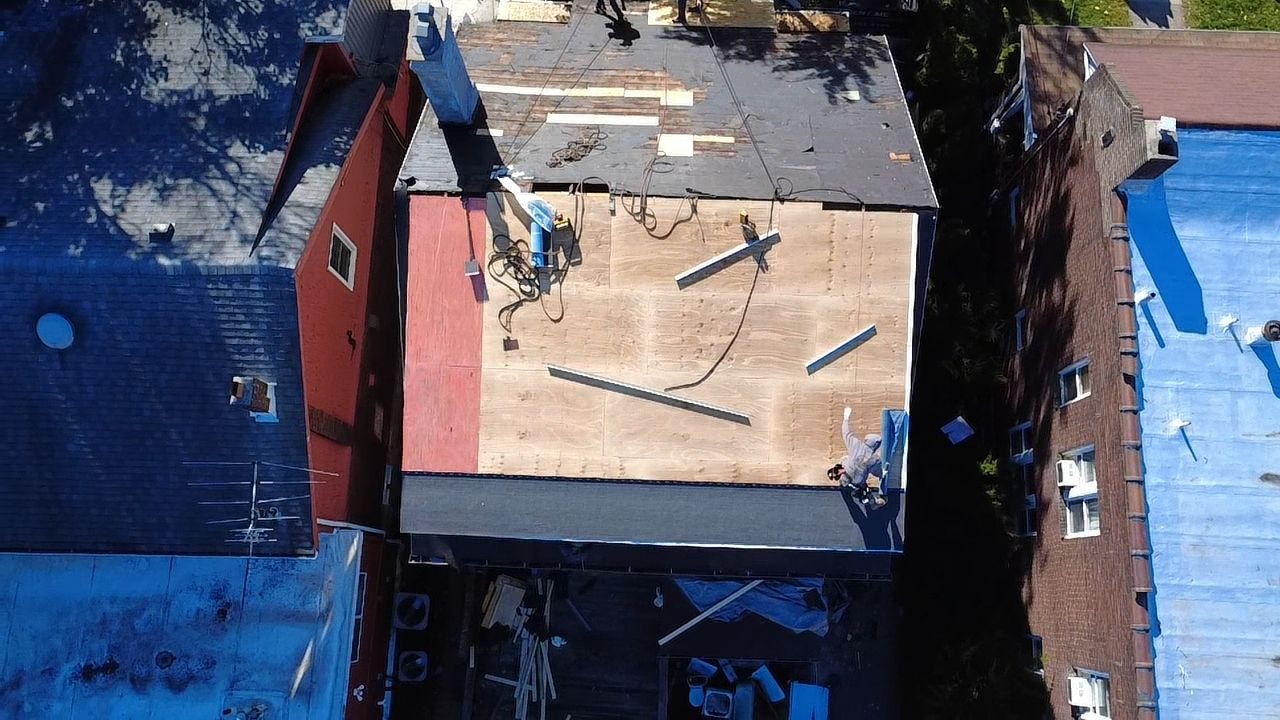
Drone view of a row house roof stripped to the decking in Pittsburgh, Alan Construction.
Which Roofing Materials Hold Up Best in Western Pennsylvania?
Here’s the short answer before we dig in. Four roofing materials consistently outperform the rest in our region: architectural asphalt shingles, standing seam metal, natural slate and synthetic slate. Each has a sweet spot depending on your budget, your home’s structure and how long you plan to stay. The rest come with too many compromises for our winters. This table sums up how they handle our weather.
| Material | Freeze and thaw | Snow and ice | Best for | Watch out for |
|---|---|---|---|---|
| Architectural asphalt | Good when installed right | Needs ice and water barrier at the eaves | Most homes | Bargain shingles crack and shed granules |
| Standing seam metal | Excellent | Sheds snow quickly | Snow shedding, low upkeep | Higher upfront cost, snow sliding off |
| Natural slate | Excellent, stone barely absorbs water | Very good | Historic and high end homes | Weight and specialist repairs |
| Synthetic slate | Very good | Very good | Slate look with less weight | Quality varies by brand |
If your main question is lifespan rather than weather, our guide to the longest lasting roofing material in Pittsburgh compares how many years each one typically gives you.
Architectural Asphalt Shingles: The Neighborhood Favorite
Drive down almost any street in Pittsburgh and you’ll see asphalt shingles on most of the homes. There’s a good reason for that. Modern architectural shingles, sometimes called dimensional shingles, are laminated in multiple layers, so they flex through temperature swings far better than the flat 3 tab shingles of decades past. They’re affordable, they come in dozens of colors, and they handle our weather well when they’re installed right.
Our advice: skip the bargain bin. The cheap 3 tab shingles we still get called out to replace tend to crack and shed granules after a few hard winters. If hail worries you, ask about an impact rated shingle.
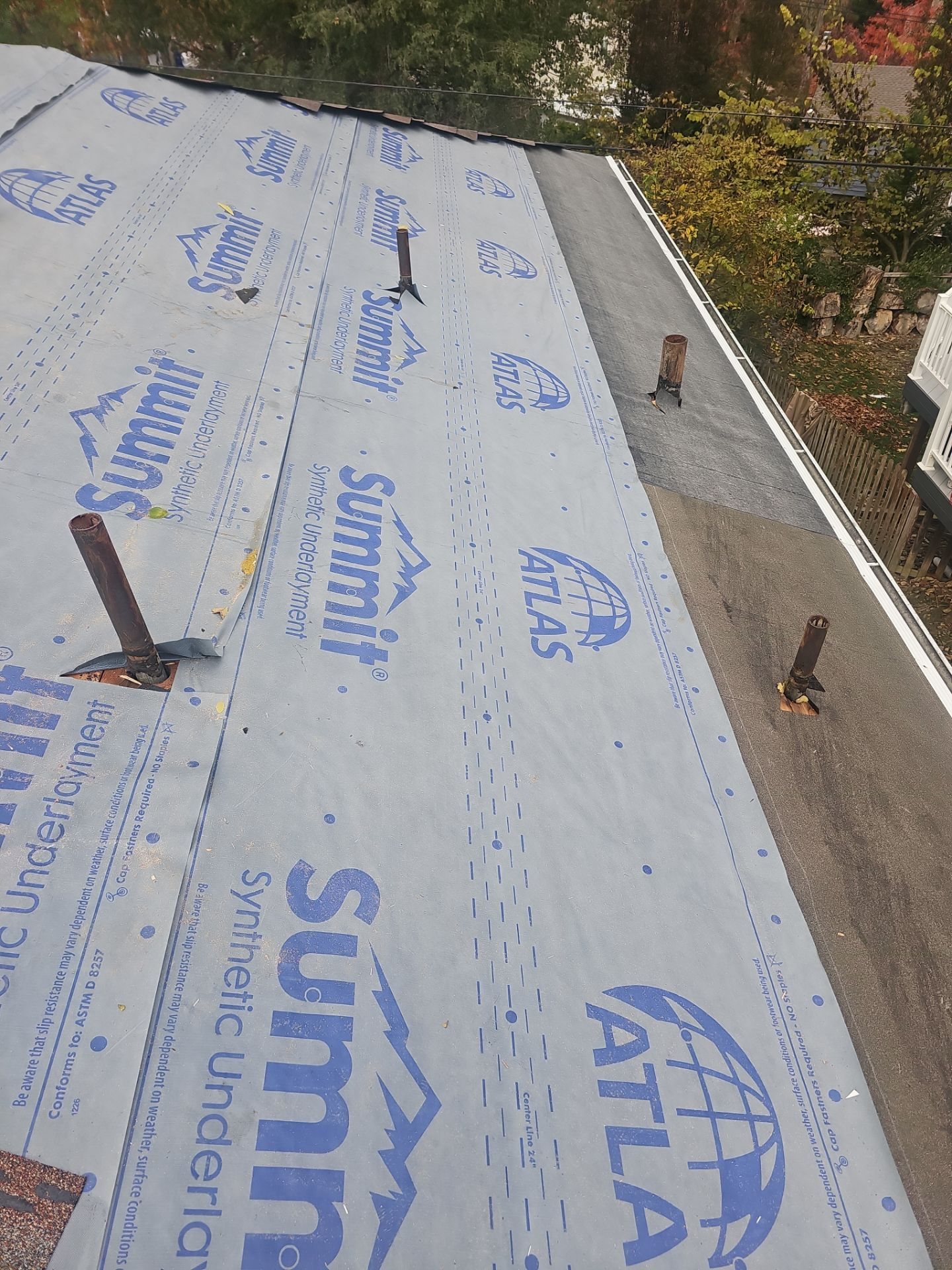
Just as important is what goes under the shingles. Pair a good architectural shingle with ice and water barrier along the eaves and valleys and a full layer of underlayment like the one in this photo, and you’ve got a smart, budget friendly roof that serves most families for decades.
Synthetic underlayment covering a low slope roof with pipe vents in Pittsburgh, Alan Construction.
What Is the Most Durable Roofing Material?
If durability against our weather sits at the top of your list, standing seam metal is tough to beat. The smooth panels shed snow before it can pile up, which also cuts down on the ice dams that torment shingle roofs, and the concealed fasteners leave very few places for water to get in.
Metal costs more upfront, no getting around it. But with a very long service life and almost no maintenance, it often works out well over the life of the home. Add snow guards to control where that snow slides off, especially over doors, walkways and driveways, and you’ve got a roof built for the winters we get here.
What Is the Strongest Material for a Roof?
For raw strength and longevity, nothing tops natural slate. It’s real stone, dense and nearly non porous, so water can’t soak in to cause freeze and thaw cracking. That’s why you still see old slate roofs standing strong in older city neighborhoods like Squirrel Hill and Shadyside. Slate is fireproof, too, and honestly beautiful to look at.
There’s a catch, and it’s a heavy one. Slate weighs far more than shingles, so a house that wasn’t built for it needs a structural check before it can go up, and repairs call for a roofer who knows slate. But if you own a home with the bones to carry it, slate is a roof your grandchildren could inherit.
Synthetic Slate: The Best of Both Worlds
Not every home can carry the weight, or the price tag, of real slate. That’s where synthetic composite slate steps in. Brands like DaVinci and Brava engineer these tiles to mimic natural stone while resisting the cracking and freeze and thaw damage our winters dish out. They weigh a fraction of the real thing, so most houses skip the extra framing entirely.
You get the high end look and strong weather resistance at a lighter load. For a lot of homeowners, it’s the smartest compromise on this whole list: good looking, tough and practical all at once.
What Is the Best Roofing Material Brand?
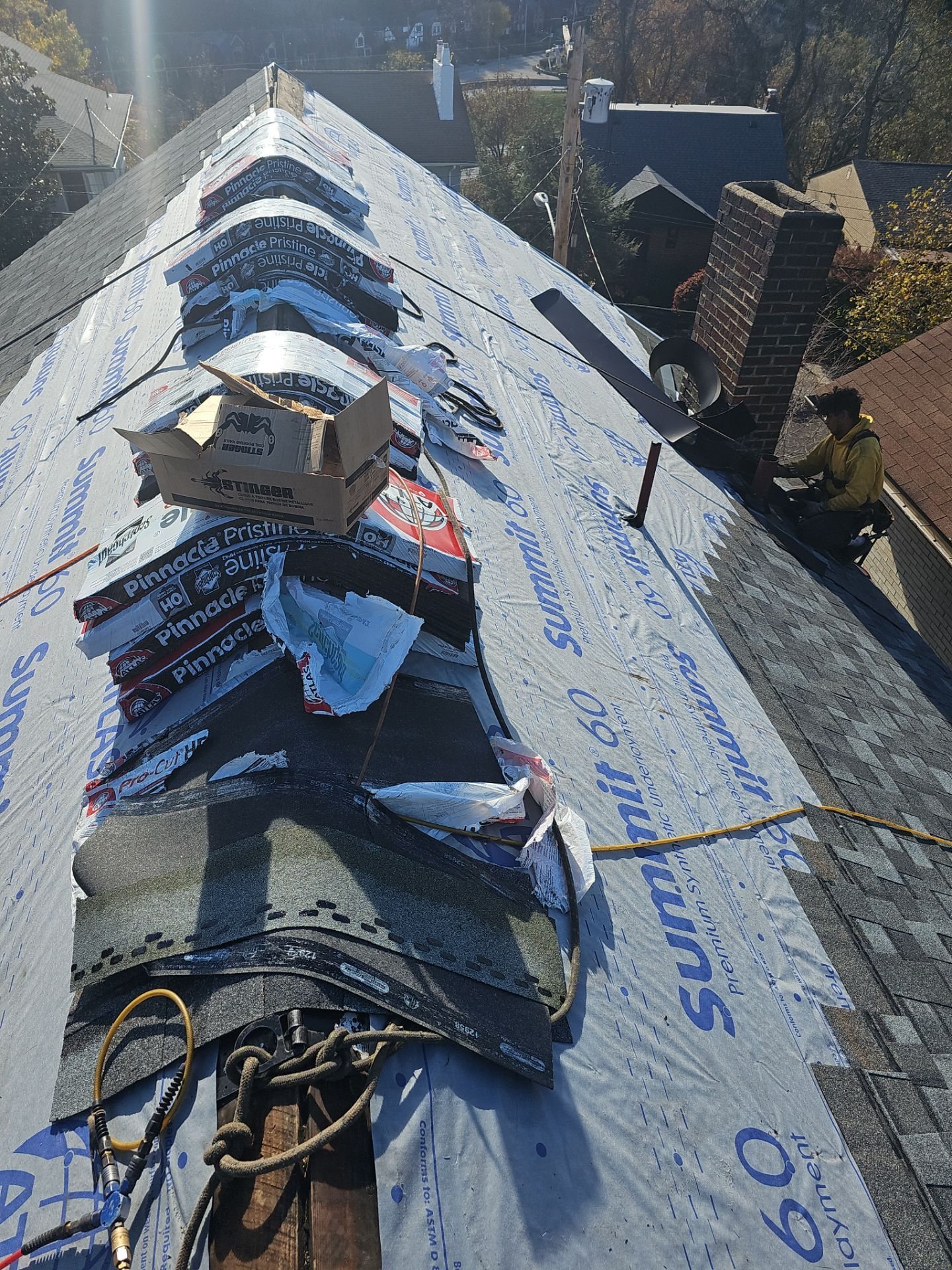
People ask us this one constantly, and the honest answer surprises them. The installer matters more than the label. We install Atlas shingles, including Pinnacle Pristine, and we’ve seen how much the details of the install decide whether any shingle survives a Pittsburgh winter.
The best brand on earth will still leak if it’s nailed on wrong. Manufacturer warranties depend on the shingles being installed to the maker’s specs. So choose your roofing contractor with the same care you put into picking your shingles, and see our take on which roofing brands are most reliable.
Shingle bundles staged along the ridge over underlayment in Pittsburgh, Alan Construction.
What Is the Best Kind of Roofing Material for Your Home?
Here’s the truth nobody selling one product wants to admit. There is no single best pick for everyone. The right choice comes down to a few things, and it’s worth thinking through each one honestly.
Your Budget and Timeline
If you’re planning to move in five to ten years, a quality architectural shingle makes plenty of sense. If you intend to stay in the house for the long haul, metal or slate rewards you over time.
Your Home’s Structure and Style
A lightweight ranch wears metal beautifully. A stately older home may call for slate or its synthetic cousin. And how steep your roof is matters as much as how it looks: flat and very low slope sections, like back additions, porches and many sheds and garages, can’t take shingles at all and need a membrane. Our guide to rubber flat roofs in Pittsburgh covers those.
What’s Underneath
Whatever you choose for the surface, insist on ice and water barrier where our winters need it. Our article on where ice and water shield should be installed shows the spots that matter most.
Why Pittsburgh Homeowners Trust Alan Construction
Plenty of companies can nail shingles to a deck and call it a day. We build for Western PA weather, with ice and water barrier, balanced ventilation and flashing details that keep water where it belongs, on everything from a quick storm repair to a full roof replacement.
We’ve been serving Pittsburgh since 2003. We’re a registered Pennsylvania home improvement contractor (PA#126638), licensed and insured, and BBB Accredited with an A+ rating.
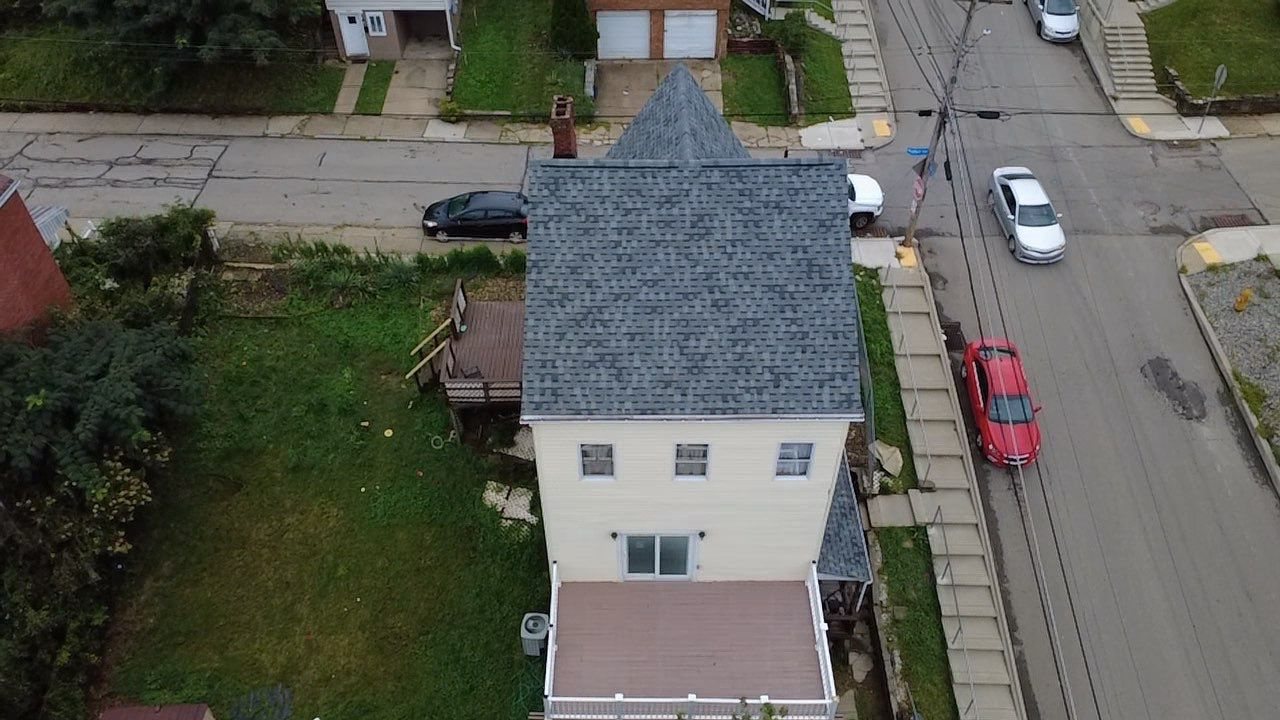
Overhead drone view of a new gray hip roof on a cream house in Pittsburgh, Alan Construction.
When you’re ready to talk options, we’ll help you weigh cost against lifespan honestly, with no pressure and no upsell games. Your roof protects everything under it. Let’s make sure it’s ready for whatever this region throws at it next.
Not sure which material fits your home? Request a free, no obligation estimate and we’ll look at your roof and talk through the options honestly.